

Moving House With Pets in Australia: What You Should Know
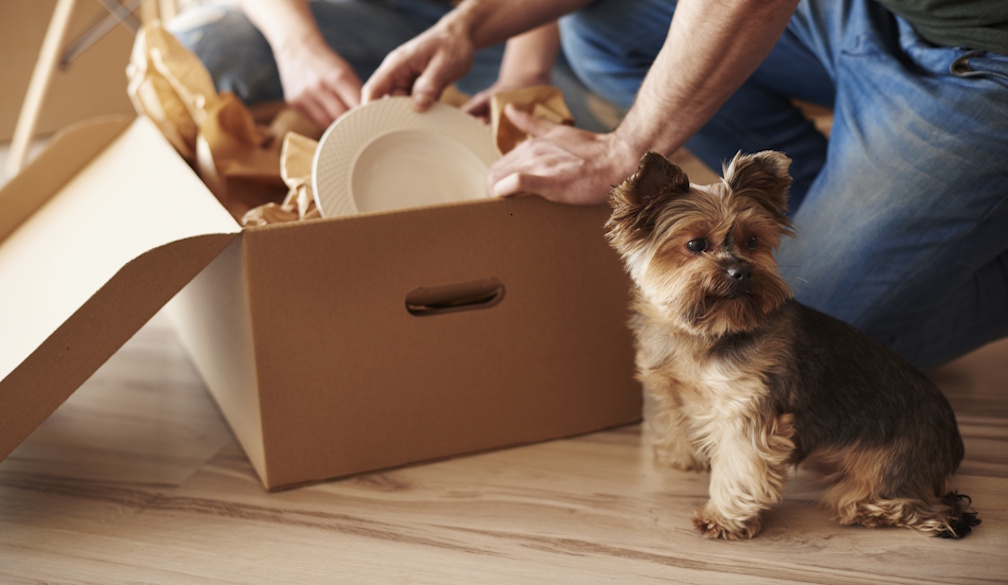
Moving house is stressful enough. Add a dog, cat, rabbit, or cheeky cockatoo to the mix and it can feel overwhelming. Australian pet owners treat their pets like family. But a big change like moving house can have a huge impact on an animal’s wellbeing.
Whether you’re moving to a new suburb or making a bigger leap across the country, here’s a step-by-step guide to help you move house with your pet with as little stress as possible.
How do you prepare your pet for a move?
Pets, especially cats and dogs, can be pretty sensitive to change. The sooner you can start getting them used to the idea of moving, the better.
1. Stick to their routine
Even as you start packing up and the moving chaos begins, try to keep to feeding times, walks, play sessions and bedtime as usual. It's amazing how much stability helps pets feel safer when everything else around them is changing.
2. Update their microchip details
In Australia, your pet has to be registered with your local council, and it's super important to keep their microchip details current. If they get spooked or slip out during moving week, it significantly improves the chance of them being safely reunited with you.
3. Visit your vet
A pre-move vet visit is helpful for:
- Checking vaccinations
- Assessing anxiety risks
- Getting travel tips (especially for interstate moves)
- Receiving records so they’re ready for a new local vet
Your vet may even prescribe calming aids if your pet is feeling anxious about the move.
4. Familiarise them with travel carriers
If your pet doesn’t normally travel, start crate or carrier training well before the move. Leave the carrier open at home with treats or toys inside, so they associate it with comfort rather than fear.
Packing and Moving Week: Keep Your Pet Calm
The week of a move is chaotic, but there are a few things you can do to make it less stressful for your pet.
1. Create a “safe room” on moving day
Choose a quiet room in your home where your pet can stay while the movers come and go. Set it up with their bed, water, toys, a litter tray (if needed), and a “Pet Inside – Do Not Open” sign on the door. This keeps them calm away from the noise when removalists are packing your things.
2. Keep familiar items unwashed
Your instinct may be to clean everything before moving, but hold on a minute! Pets use scent to feel secure, so try to keep a few familiar items unwashed, like their bedding and a favourite toy.
3. Plan transport in advance
If you’re moving quite far or even to a different state, working with experienced interstate removalists takes the pressure off. They’ll handle the packing, loading and transporting of your things, so you can focus on getting your pets to the new home safely.
How to travel with pets safely
How you transport your pet depends on the distance, their temperament, and the mode of travel.
1. Car travel
Most Australian pets move by car. To keep them safe:
- Use a secured crate, pet seatbelt, or carrier
- Never let them roam free in the car
- Take breaks for water and the loo
- Keep the car well-ventilated
- Never leave pets in a parked car
2. Flying with pets
If you’re moving from Melbourne to Sydney, Brisbane to Perth, or across other big distances:
- Choose an airline-approved carrier
- Book flights in advance
- Label the crate clearly
- Feed your pet lightly before travel
- Ask your vet about sedation (but many airlines discourage heavy sedation)
You can also work with a pet transport company if flying feels overwhelming.
How to help your pet settle into your new home
A new home is full of unfamiliar scents and sounds. Some pets adapt quickly; others need time.
1. Set up a “home base” first
Before letting them explore the whole house, set up a single comfy room with familiar items. This helps them adjust to the new place at their own pace.
2. Keep a calm environment
Avoid loud music, lots of visitors and constant rearranging of furniture in the first few days. Pets love predictability.
3. Slowly introduce new spaces
After they seem comfortable, start letting them explore the rest of the house. Stay with them, offer treats and reassure them with a calm voice.
4. Update your details with your new council
Each council in Australia has its own rules about pet registration, so make sure to update your pet's details promptly.
Moving house with specific types of pets
Dogs
Take them for walks around the neighbourhood early. It helps them learn scents and reduces anxiety.
Cats
Keep them indoors for at least 2–3 weeks until they recognise your home as “theirs.” Outdoor access too early will confuse them and they’ll try to return to your old house.
Birds
Birds are sensitive to temperature changes. Put their cage away from drafts, doors, or the kitchen.
Small animals (rabbits, guinea pigs, reptiles)
Give them extra hiding spots and avoid handling them too much during the first 48 hours.
Moving with pets in Australia can be safe and smooth, as long as you’re prepared. Whether you’re heading around the corner or across state lines, a professional removalist like Holloway Removals can handle every part of the move, so you can focus on your furry friend.
