

Shotcrete Concrete and Strength Built Into Modern Structures
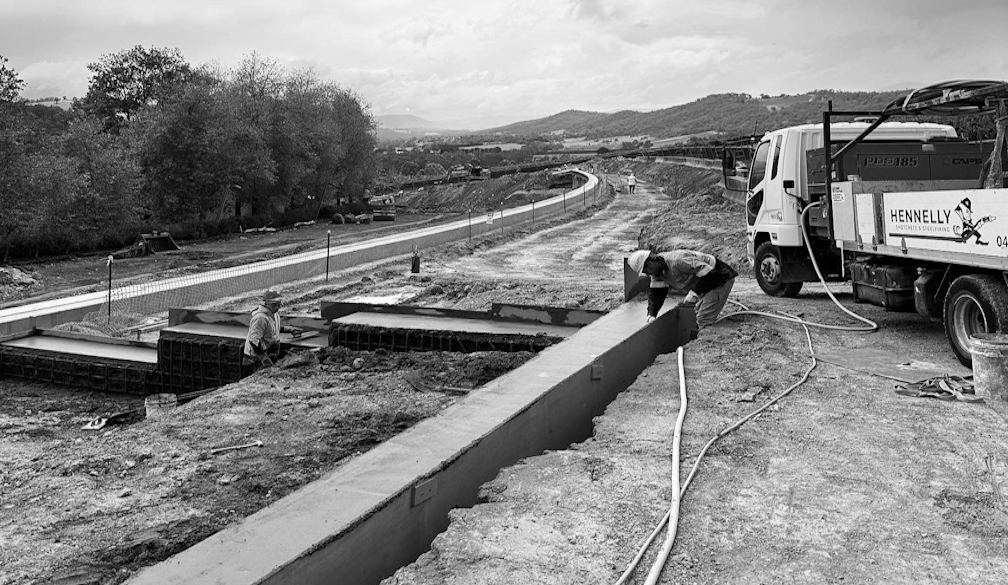
In construction environments where strength, speed, and adaptability are essential, shotcrete concrete has become a trusted solution for a wide range of structural applications. Unlike traditional poured concrete, shotcrete is sprayed at high velocity onto surfaces, allowing it to bond quickly and form dense, durable structures. This method has transformed how complex shapes, vertical surfaces, and reinforced structures are built across civil, commercial, and residential projects.
Shotcrete concrete is valued for its versatility. It can be applied overhead, vertically, or onto irregular surfaces without the need for extensive formwork. This flexibility makes it particularly effective in environments where access is limited or where traditional construction methods would be slow or impractical. From retaining walls and basements to tunnels and pools, shotcrete delivers strength where precision and performance matter most.
The Role of the Shotcrete Operator on Site
Behind every successful application is a skilled shotcrete operator, whose expertise directly influences the quality of the finished structure. Operating shotcrete equipment requires more than technical knowledge. It demands precision, timing, and a deep understanding of material behaviour.
The operator controls the spray angle, distance, and flow rate, ensuring the concrete is applied evenly and compacted correctly. Small adjustments during application can significantly affect strength and finish. An experienced operator recognises how environmental factors such as temperature and humidity influence curing and adapts the technique accordingly.
Quality control is an ongoing responsibility. The operator monitors rebound, thickness, and surface consistency throughout the process. This hands on expertise ensures the concrete performs as designed, meeting structural and safety requirements.
Applications Across Construction Sectors
Shotcrete concrete is widely used in civil infrastructure projects. Tunnel linings, slope stabilisation, and retaining walls benefit from its ability to conform to irregular surfaces while providing exceptional strength. In these environments, speed and reliability are critical, and shotcrete meets both demands.
In residential and commercial construction, shotcrete is commonly used for basements, foundations, and structural walls. Its ability to be applied in confined spaces makes it ideal for underground or restricted sites. Swimming pools and decorative concrete features also rely on shotcrete for smooth curves and durable finishes.
Mining and remediation projects further demonstrate shotcrete’s adaptability. It is used to reinforce rock faces, repair deteriorated structures, and stabilise environments where safety is paramount. These applications highlight the material’s role in protecting both infrastructure and people.
Structural Advantages and Performance
One of the defining advantages of shotcrete is its strength. Properly applied shotcrete achieves high compressive strength, often exceeding that of conventional concrete. The compaction achieved during spraying reduces air pockets, resulting in dense, uniform material.
Adhesion is another key benefit. Shotcrete bonds effectively to existing concrete, rock, and steel, making it ideal for repairs and reinforcements. This bonding capability allows older structures to be strengthened without complete demolition.
Durability is equally important. Shotcrete structures resist weathering, moisture ingress, and mechanical stress. When designed and applied correctly, they offer long service life with minimal maintenance.
Efficiency and Cost Considerations
From a project management perspective, shotcrete offers significant efficiency benefits. Reduced formwork requirements lower material and labour costs. Faster application speeds help keep projects on schedule, particularly in time sensitive environments.
Labour efficiency is also improved. While skilled operators are essential, fewer workers are required compared to traditional formwork and pouring methods. This streamlined approach reduces site congestion and improves overall coordination.
Cost effectiveness extends beyond installation. Durable shotcrete structures require less repair over time, contributing to lower lifecycle costs. For infrastructure and high use environments, this long term value is a key advantage.
Safety and Site Control
Safety is a major consideration in shotcrete operations. Proper training and experience are essential to manage high pressure equipment and material flow. Skilled operators maintain control over application, reducing rebound and overspray that could create hazards.
Shotcrete also enhances safety in the finished structure. Its ability to stabilise slopes, reinforce tunnels, and strengthen foundations helps prevent collapses and failures. In this way, the material contributes to safer environments both during and after construction.
Environmental and Design Flexibility
Shotcrete supports efficient material use. The ability to apply concrete precisely where needed reduces waste and excess material. This efficiency aligns with more sustainable construction practices, particularly on complex sites.
Design flexibility is another advantage. Architects and engineers can specify curves, angles, and custom shapes that would be difficult or costly with traditional methods. Shotcrete translates these designs into reality without compromising strength.
Why Expertise Matters in Shotcrete Projects
While the material itself offers many benefits, results depend heavily on execution. Skilled operators, proper mix design, and correct preparation all contribute to successful outcomes. Poor application can lead to weak bonding or uneven thickness, undermining performance.
Experienced teams understand how to coordinate design, reinforcement, and application to achieve consistent results. This expertise ensures shotcrete delivers on its promise of strength, efficiency, and durability.
A Proven Solution for Demanding Builds
Shotcrete concrete has earned its place as a core construction method across multiple industries. Its ability to adapt to complex conditions while delivering high performance makes it invaluable in modern building and infrastructure projects.
With the guidance of skilled shotcrete operators, this technique transforms challenging designs into durable structures built to last. As construction demands continue to evolve, shotcrete remains a practical and reliable answer, combining engineering strength with on site flexibility.
