

Understanding The Importance Of Steel Plate In Modern Construction And Manufacturing
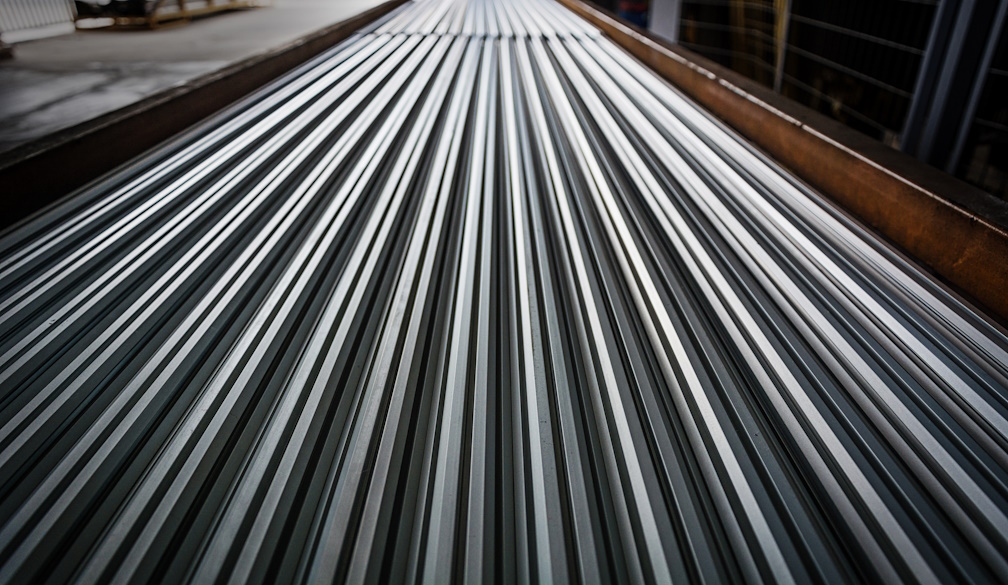
Steel has become one of the most essential materials used in modern infrastructure, engineering, and industrial production. Among the various forms of steel used across industries, steel plate plays a critical role due to its strength, versatility, and ability to withstand demanding structural requirements. Steel plates are widely used in construction, shipbuilding, heavy machinery manufacturing, and numerous industrial applications where durability and reliability are required.
Steel plates are flat sheets of steel manufactured through rolling processes that create strong and consistent surfaces suitable for fabrication and structural use. These plates come in different thicknesses and grades, allowing engineers and manufacturers to select the most appropriate material for specific projects. Because of their structural integrity and adaptability, steel plates have become a fundamental component in modern engineering and industrial development.
How Steel Plates Are Manufactured
The production of steel plates involves carefully controlled manufacturing processes that ensure uniform thickness, strength, and durability. Steel begins as molten metal, which is poured into slabs before being processed through rolling mills. During this stage, the slabs are heated to high temperatures and passed through heavy rollers that gradually flatten them into plates.
The rolling process helps improve the internal structure of the steel by refining the grain composition and increasing its strength. After rolling, the steel plates may undergo additional treatments such as heat treatment or surface finishing to enhance their mechanical properties.
Quality control plays an important role during production. Each steel plate is inspected to ensure it meets specific industry standards for thickness, composition, and structural integrity. This ensures that the final product is suitable for demanding industrial applications.
Applications Of Steel Plates Across Industries
Steel plates are used in a wide variety of industries because of their strength and versatility.In construction, they are commonly used in the fabrication of structural components such as beams, columns, and reinforcement plates that support buildings and infrastructure, particularly with residential structural steel.
The shipbuilding industry also relies heavily on steel plates to construct hulls and other structural components of vessels. Because ships must withstand extreme marine conditions, strong and durable steel plates are essential for ensuring safety and longevity.
In heavy machinery manufacturing, steel plates are used to create machine frames, equipment housings, and protective structures. Their ability to handle heavy loads and resist wear makes them ideal for industrial environments where machinery operates continuously.
Energy industries also use steel plates in the construction of pipelines, pressure vessels, and storage tanks. These structures require materials capable of withstanding high pressure and demanding operational conditions.
Advantages Of Using Steel Plates
One of the primary advantages of steel plates is their exceptional strength. Steel is known for its ability to support heavy loads without losing structural stability, making it suitable for projects that require durable materials.
Steel plates are also highly versatile.They can be cut, welded, shaped, and machined to create components for various engineering applications with mobile welding brisbane. This flexibility allows manufacturers to customise steel plates according to specific project requirements.
Another benefit is durability. Steel plates are resistant to wear, impact, and environmental stress when properly treated. This durability ensures that structures and equipment built using steel plates remain reliable for extended periods.
Steel also offers excellent recyclability. Many steel products are produced using recycled materials, making steel plates an environmentally responsible choice for modern construction and manufacturing projects.
Steel Plates In Infrastructure Development
Infrastructure development relies heavily on strong materials capable of supporting large structures and heavy loads. Steel plates contribute significantly to the construction of bridges, highways, tunnels, and large commercial buildings.
Engineers often select steel plates because they provide consistent strength and predictable performance. This reliability allows infrastructure projects to meet safety standards while accommodating complex design requirements.
Steel plates are also used in reinforcing concrete structures. When combined with reinforced concrete systems, they enhance the structural integrity of buildings and infrastructure projects.
Fabrication And Customisation Possibilities
Another reason steel plates are widely used is their adaptability during fabrication. Steel plates can be processed using advanced cutting and forming techniques that allow manufacturers to create highly precise components.
Processes such as laser cutting, plasma cutting, and mechanical machining allow steel plates to be shaped into specific dimensions and designs. This level of precision is essential for industries that require custom-engineered components.
Welding techniques also allow steel plates to be joined together to form larger structural assemblies. Skilled fabricators can combine multiple plates to create strong frameworks used in industrial structures and heavy equipment.
Maintaining Quality And Performance
To ensure long-term performance, steel plates must meet strict quality standards. Material testing is often performed to verify properties such as tensile strength, hardness, and resistance to stress.
Proper storage and handling are also important. Steel plates should be stored in environments that minimise exposure to moisture and contaminants that could cause corrosion.
When properly maintained and treated, steel plates can remain reliable for many years even in demanding industrial environments.
Conclusion
Steel plates are essential components in modern engineering, construction, and manufacturing industries. Their strength, versatility, and durability make them suitable for a wide range of structural and industrial applications. From large infrastructure projects to heavy machinery fabrication, steel plates provide the stability and performance required for complex engineering tasks. As industries continue to develop and expand, steel plates will remain a vital material supporting innovation and structural reliability.
