

Choosing the Right Hose for Efficient Water Transfer Applications
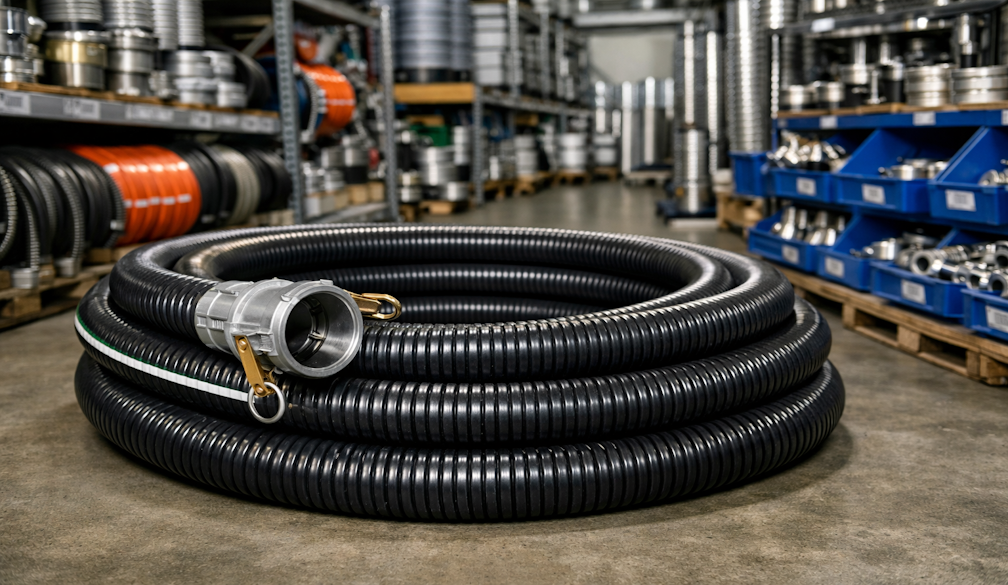
Water transfer systems are essential across industries such as agriculture, construction, mining, manufacturing, and municipal services. The efficiency of these systems often depends on the quality and suitability of the hose being used. A reliable water suction hose plays a vital role in moving large volumes of water while maintaining consistent flow rates and operational performance. Selecting the right hose helps reduce downtime, improve productivity, and extend the life of pumping equipment.
A properly designed water suction hose assembly combines a durable hose with compatible couplings and fittings to create a complete solution for demanding environments. The assembly must be capable of handling vacuum conditions, pressure requirements, and varying operational demands without compromising safety or performance.
For many industrial and agricultural operations, a dependable water suction and delivery hose offers the flexibility to both draw water into a system and transport it to its intended destination. This dual-purpose functionality makes it a practical choice for applications where efficiency and versatility are important considerations.
In pumping systems, the performance of the pump suction hose directly affects the effectiveness of the entire operation. A hose that resists collapse under vacuum conditions and maintains smooth flow characteristics helps pumps operate at their intended capacity while reducing strain on equipment.
Understanding How Suction Hoses Work
Unlike standard transfer hoses, suction hoses are specifically designed to withstand negative pressure. During operation, pumps create a vacuum that draws liquid through the hose. Without adequate reinforcement, a hose can collapse under this pressure, restricting flow and potentially damaging the system.
To prevent collapse, suction hoses typically feature reinforced construction using rigid helix wire, synthetic materials, or specialised reinforcement layers. This structure allows the hose to maintain its shape even when operating under challenging conditions.
The ability to resist vacuum pressure while remaining flexible is one of the key characteristics that distinguishes suction hoses from ordinary water transfer products.
Applications Across Multiple Industries
Water suction hoses serve a wide range of industries because of their ability to transport water efficiently in demanding environments. In agriculture, they are commonly used for irrigation systems, water transfer between reservoirs, and supplying water to crops and livestock operations.
Construction sites rely on suction hoses for dewatering excavations, managing stormwater, and supplying water for various operational activities. Municipal services frequently use them for drainage projects, emergency flood response, and maintenance of public infrastructure.
Industrial facilities also depend on suction hose systems for water circulation, cooling processes, and general fluid transfer requirements. Their versatility makes them an important component in many operational settings.
The Importance of Material Selection
The material used in hose construction significantly influences durability and performance. Different environments expose hoses to varying levels of abrasion, weather conditions, chemicals, and physical stress.
High-quality rubber compounds are often selected for their flexibility and resistance to wear. Reinforced materials help maintain structural integrity while protecting against external damage. In applications involving outdoor use, resistance to ultraviolet exposure and environmental conditions can further improve service life.
Selecting a hose with materials suited to the intended operating environment helps reduce maintenance requirements and improve long-term reliability.
Factors That Affect Hose Performance
Several factors should be considered when selecting a suction hose. Diameter plays a critical role because it directly influences flow capacity and pumping efficiency. A hose that is too small may restrict flow, while an oversized hose can create unnecessary handling challenges.
Pressure ratings must also align with operational requirements. Although suction hoses primarily handle vacuum conditions, many applications involve both suction and discharge functions. Understanding the pressure demands of the system ensures safe and efficient performance.
Temperature exposure is another important consideration. Extreme heat or cold can affect flexibility and material integrity, making it essential to choose products designed for the expected operating conditions.
Benefits of Quality Hose Assemblies
Using a complete hose assembly offers several advantages compared to sourcing individual components separately. Professionally assembled solutions provide compatibility between hoses, fittings, and couplings, reducing the risk of leaks or connection failures.
Quality assemblies can also simplify installation and maintenance processes. Properly matched components contribute to consistent performance and minimise operational disruptions caused by equipment issues.
For businesses that depend on uninterrupted water transfer operations, investing in well-designed assemblies can deliver long-term value through improved reliability and reduced maintenance costs.
Maintaining Hoses for Long-Term Performance
Routine inspection and maintenance are essential for maximising hose lifespan. Operators should regularly examine hoses for signs of wear, cracking, abrasion, or damage to fittings. Early identification of issues helps prevent unexpected failures during operation.
Proper storage also contributes to longevity. Hoses should be stored away from excessive heat, direct sunlight, and sharp objects that could cause damage. Cleaning hoses after use helps remove debris and contaminants that may affect performance over time.
A proactive maintenance approach supports safer operations and reduces the likelihood of costly downtime.
Why Quality Matters in Water Transfer Systems
The performance of a water transfer system depends on every component working efficiently together. While pumps often receive the most attention, the hose itself plays an equally important role in maintaining flow rates and overall system effectiveness.
High-quality suction hoses provide durability, flexibility, and resistance to demanding operating conditions. They help protect equipment, improve operational efficiency, and support reliable water movement across a wide range of applications.
Choosing the right hose solution can have a significant impact on productivity, maintenance costs, and long-term operational success.
Conclusion
Water transfer operations require dependable equipment capable of performing consistently under varying conditions. From agriculture and construction to industrial and municipal applications, selecting the right suction hose is essential for achieving efficient and reliable results. Understanding hose construction, material selection, performance requirements, and maintenance practices can help businesses make informed decisions that support operational success.
For organisations seeking durable and efficient water transfer solutions, investing in quality hose products is a practical step toward improving performance and reducing long-term operating costs.
