

Pipe Relining Slashing Downtime and Costs
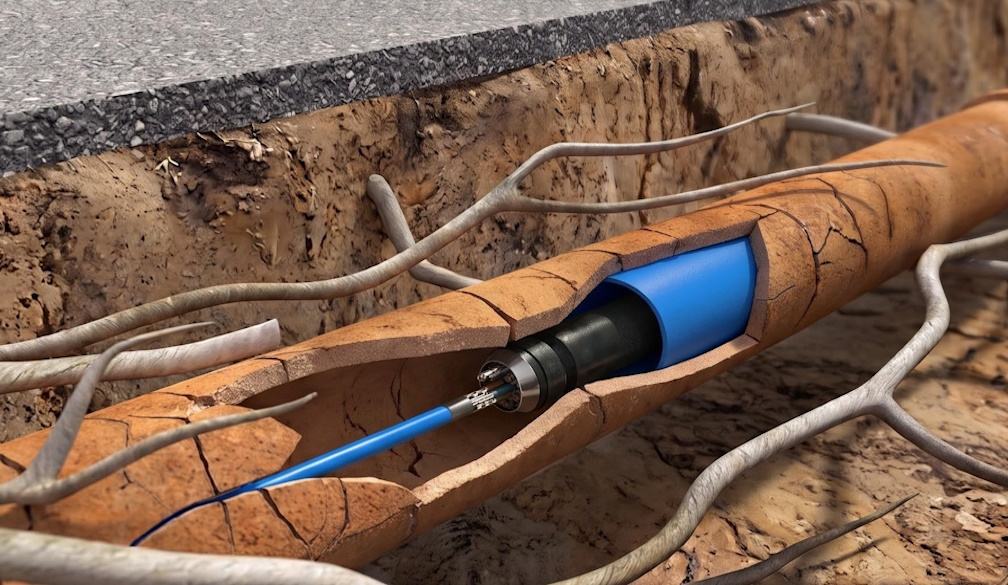
For commercial property owners, a damaged underground pipe can become much more than a plumbing problem. If the pipe runs beneath a road, footpath, concrete slab or busy part of a property, accessing it can turn a relatively contained repair into a major site disruption, with additional costs for excavation and reinstatement.
For suitable damaged pipes, pipe relining provides an alternative to excavation and replacement. A liner is inserted into the existing pipe and cured in place, forming a new pipe within the old one. Because the repair is completed internally, the surrounding surface can often remain intact.
Why excavation can be costly for businesses
The cost of replacing a damaged pipe is not limited to the pipe itself. Excavation may require concrete, paving or landscaping to be removed before work can begin, followed by reinstatement once the repair is complete.
Commercial sites can also face traffic management costs, restricted access or temporary closures. Even where the plumbing repair itself is straightforward, having part of a site unavailable can affect customers, employees, deliveries and day-to-day operations. This is particularly relevant to shopping centres, schools, apartment complexes and industrial properties.
For businesses dealing with broader plumbing issues, working with experienced commercial plumbing experts can also help identify and address problems before they become more disruptive.
How pipe relining reduces disruption
For many commercial properties, the biggest advantage of relining is the ability to repair the pipe without taking a large section of the site out of use. Where the existing pipe is suitable, work can be completed internally, reducing the need to remove surrounding surfaces or restrict access to the area
Which pipes can be relined?
Pipe relining is not suitable for every damaged pipe. It can be an option for pipes affected by cracks, damaged joints, corrosion or slight movement between connections. A pipe that is fully crushed or collapsed, however, may require excavation and replacement.
A CCTV inspection can help determine the condition of the pipe and identify what is causing recurring blockages. This allows the appropriate repair method to be considered rather than repeatedly clearing the same blockage.
Considering pipe relining for a commercial property
When recurring blockages are linked to damaged pipework, addressing the underlying problem can be more practical than repeatedly clearing the drain. Where the pipe is suitable, commercial pipe relining provides a way to repair it while avoiding many of the costs and disruption associated with excavation.
