

What Makes a Dumpling “Good”: A Practical Taste Checklist
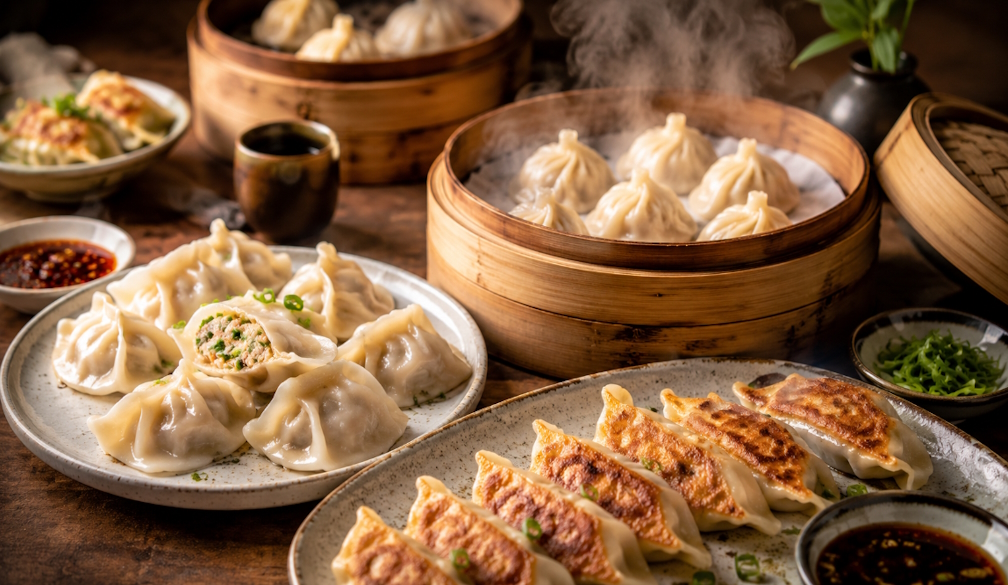
Dumplings are one of those foods where tiny details change everything, even when the ingredients look similar on paper. Lists of best dumplings melbourne often bundle very different styles together, so it helps to judge each dumpling using the same small set of cues, regardless of whether it’s boiled, steamed, or pan-fried.
This checklist is designed for real menus and real tables, not tasting notes. You can use it to compare dumplings across cuisines, price points, and cooking methods without overthinking it.
Start with the wrapper, not the filling
A great dumpling wrapper should feel intentional, not incidental. You’re looking for structure, texture, and how well it matches the cooking method.
- Thickness that suits the style: A delicate steamed dumpling should not feel chewy like bread, while a boiled jiaozi can carry a slightly thicker skin without becoming heavy.
- Evenness: Lumpy thickness usually means the wrapper was rolled unevenly, which can create gummy spots or blown seams.
- Elastic bite: The best wrappers have a pleasant resistance, then yield cleanly. If it tears into paste, it’s often undercooked or overly starchy.
- Seal integrity: Split seams are a big tell. Even if the filling tastes fine, a dumpling that leaks has already lost part of what makes it satisfying.
Filling balance is about texture as much as flavour
People often talk about seasoning, but texture is what makes a filling feel “right.” The best fillings usually have a clear identity: either plush and cohesive, or bright and chunky, depending on the style.
Pay attention to:
- Meat texture: A good pork filling can be springy and juicy, not dry or crumbly. If it tastes sandy, it may be overmixed, overcooked, or made with leaner cuts without enough fat.
- Vegetable clarity: Chive, cabbage, or mushroom should read as distinct, not watery. Over-wet vegetables can dilute flavour and soften the wrapper.
- Salt and aroma: Dumplings should taste seasoned on their own. If the only flavour arrives after you dunk them in sauce, the filling is doing less than it should.
Juiciness is a technique, not a gimmick
Juiciness is not just about “more liquid.” It’s about how the dumpling holds moisture and releases it at the right moment.
For soup dumplings, the hallmark is broth that tastes like something, not just warm gelatin. For other styles, you’re looking for fillings that stay moist after cooking, with fat and aromatics that carry flavour. A dumpling can be juicy and still feel clean, while an overly oily dumpling often signals imbalance rather than richness.
Cooking method tells you what to look for
Different cooking methods highlight different strengths, so the same standard cannot apply to every dumpling.
Steamed
Steamed dumplings should feel light and aromatic. Watch for wrappers that stay tender without becoming sticky, and fillings that taste fresh rather than muted.
Boiled
Boiled dumplings are about comfort and chew. The wrapper should be bouncy, not waterlogged. A good sign is when the dumpling stays intact and the water around it remains relatively clear, rather than cloudy with leaking starch.
Pan-fried
Pan-fried dumplings should deliver contrast: crisp base, tender top. The browning should taste nutty and toasty, not bitter. If the bottom is hard like a cracker while the top is still doughy, the timing was off.
Sauces should lift, not rescue
A strong dumpling stands on its own, and the sauce acts like punctuation. Good dipping sauce adds brightness, heat, or fragrance without masking the filling.
A simple check is to take one bite without sauce first. If it already tastes complete, then the sauce becomes a choice. If the dumpling needs sauce to become edible, the baseline is weaker.
Also note the balance of the sauce itself. Overly sweet or overly salty sauces flatten nuance, while well-made chili oil should smell fragrant, not just hot.
Consistency cues you can notice without being fussy
- Even a casual diner can spot signs of care.
- Uniform size: Consistent dumplings tend to cook more evenly.
- Clean folds: You don’t need perfect pleats, but careless sealing often shows up later as leaks.
- Temperature: Dumplings should arrive properly hot. Lukewarm dumplings lose texture quickly and wrappers can turn leathery.
Ordering smarter when you’re not sure what to choose
If you want a fair read on a kitchen’s dumplings, order across one or two contrasts rather than ten similar items.
A simple approach is:
- one steamed option to judge wrapper tenderness and aroma
- one pan-fried option to judge crispness and balance
- one filling that’s simple (pork and chive, cabbage, prawn) so quality is easier to taste
If you’re sharing, stagger the order so the crisp items arrive first. Pan-fried dumplings fade fastest, while boiled and steamed hold their texture a bit longer.
