

From Fear to Comfort: How Modern Dentistry Is Winning Over Patients
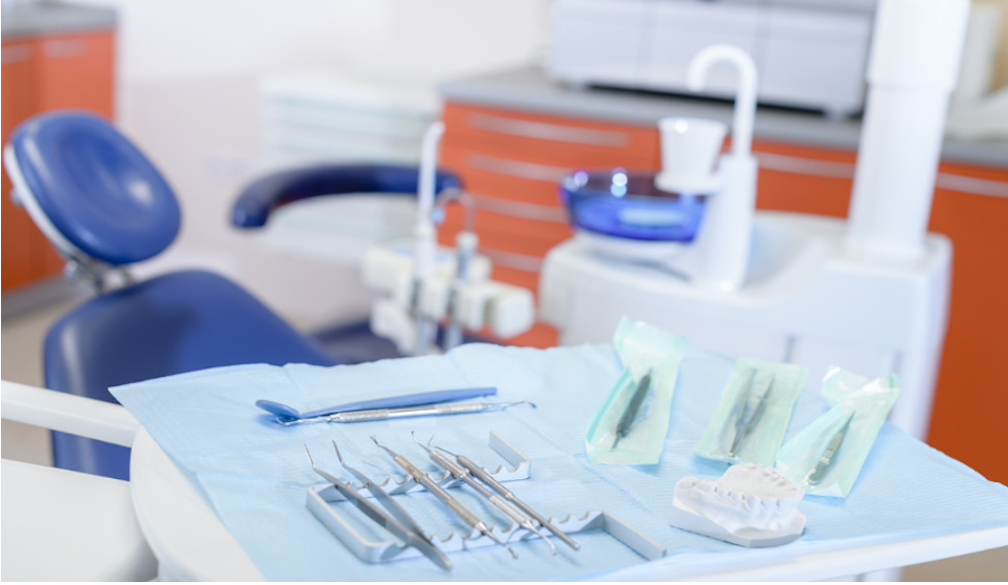
Modern dentistry is undergoing a profound transformation, reshaping how patients perceive routine dental visits. Historically, many individuals have approached dental care with apprehension or fear, often delaying treatments that are essential for long-term oral and overall health. Today, innovative technologies such as laser dentistry, digital imaging, and minimally invasive procedures are reducing discomfort and procedure times, making visits more efficient and less intimidating. Alongside these technological advances, dental practices are increasingly adopting patient-centered approaches, focusing on personalized care, clear communication, and creating a calming environment. This dual focus on comfort and innovation is not just improving the patient experience—it is reinforcing the vital role regular dental care plays in preventing serious health issues, from gum disease to systemic conditions like heart disease and diabetes. By breaking down barriers to care, modern dentistry is paving the way for healthier smiles and a stronger foundation for overall wellness.
Transformative Techniques in Modern Dentistry
Recent advancements in dental techniques have made a monumental impact on patient comfort. For instance, lasers have been part of dental treatment solutions since 1994, significantly reducing the pain and recovery time associated with various dental procedures. These laser treatments not only enhance the precision of dental work but also minimize discomfort, making visits less intimidating for many. The adoption of technology in dental practices ensures that procedures are less invasive and more effective. With the help of digital imaging and advanced chair-side monitors, patients can see exactly what their dentist sees. This transparency helps demystify the process, allowing patients to feel more in control and less apprehensive about the unknown.
Dental practitioners also employ specialized anesthetic techniques, further eradicating pain from dental visits. With topical anesthetics and needle-free options available, patients experience less panic when facing their appointments. These measures are crucial in helping individuals overcome their dental anxieties and in promoting regular check-ups for better health.
Building Trust with Personalized Care
Personalized attention has become a cornerstone of patient care in modern dentistry. Understanding that 38% of individuals still harbor fear of dental environments, dentists are more committed than ever to providing personalized experiences. By engaging in comprehensive consultations, dentists build trust with patients, which is key to encouraging regular visits.
Dentists today are trained to tailor their approach by considering the unique needs and concerns of each patient. This patient-centered care model helps individuals feel valued and understood, leading to more positive interactions. In turn, these positive experiences can reduce the stigma and anxiety often associated with dental appointments. Beyond building trust, dentists ensure that communication lines are open, allowing patients to express concerns openly. This dialogue is essential for customizing treatment plans as well as making patients feel involved in their dental care, paralleling their efforts with the pursuit of better health.
Enhanced Aesthetic and Preventive Care
The scope of modern dentistry has expanded to encompass both aesthetic and preventive care, offering more comprehensive health benefits. With 181,469 dental businesses across the United States in 2023, competition has driven dentists to provide an array of cosmetic options that appeal to patients' desires for brighter, more appealing smiles. Such offerings include teeth whitening, veneers, and more advanced corrective procedures. Preventive care continues to play a vital role in modern dental practices. Routine cleanings and early detection measures have proven to be instrumental in maintaining oral health and preventing complex issues that may arise. Educating patients about the importance of daily oral hygiene practices is also emphasized, underlining the connection between oral and overall health. The benefits of incorporating comprehensive aesthetic and preventive care extend beyond just the physical appearance. These measures help individuals maintain better health by preventing diseases that could affect other areas of their well-being. By addressing both the aesthetic and functional aspects of dental health, practices foster a holistic approach to patient care.
In essence, the evolution of dentistry is redefining how patients perceive and experience dental care. By harnessing cutting-edge technology, providing personalized patient experiences, and focusing on both aesthetic and preventive care, dental practices are becoming an integral part of achieving better health. As the industry continues to innovate, dental fear will further diminish, leading to a future where dental visits are embraced rather than dreaded.
