

Mouthguards for Adults: A Practical Guide to Protection
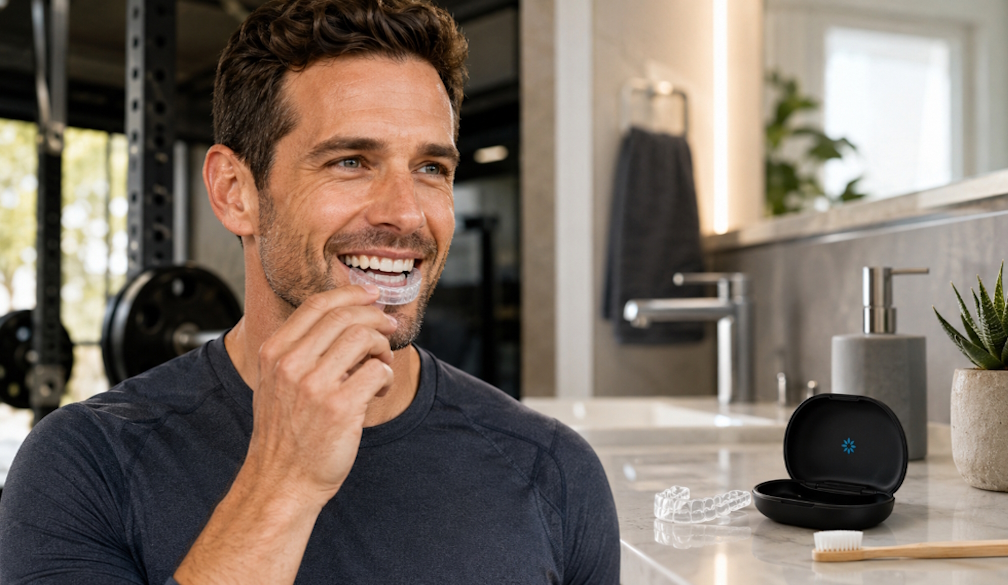
Adults wear mouthguards for more reasons than many people realise. Contact sport is the obvious one, but teeth grinding, orthodontic work, and certain jobs can also put teeth and jaws at risk. The challenge is choosing something that protects properly and feels comfortable enough to actually use.
If you’re weighing up options, it helps to start with the basics of fit, materials and intended use. This overview of Mouthguards For Adults is a useful reference point for the types available and what typically suits different needs.
Why adults still need mouthguards
Tooth damage isn’t limited to kids’ sport. In Australia, plenty of adults play weekend footy, hockey, basketball, martial arts and social netball. A stray elbow or ball can chip teeth, split lips or jar the jaw. Beyond sport, many adults clench or grind their teeth at night (bruxism), which can contribute to headaches, jaw soreness and worn enamel over time.
A mouthguard acts as a buffer. In sport, it helps absorb and spread impact forces. For grinding, it can reduce tooth-to-tooth contact and protect vulnerable surfaces.
The main types of mouthguards
Most mouthguards fall into three broad categories:
- Stock mouthguards: Pre-formed and ready to wear. They’re typically the least expensive, but also the bulkiest and least secure. Because fit is generic, they can feel unstable and may interfere with breathing and speech.
- Boil-and-bite mouthguards: Softened in hot water and then moulded at home. These can be a step up from stock options, but results vary depending on technique, jaw shape and whether the material thins during moulding.
- Custom-fitted mouthguards: Made from an impression or digital scan. They generally offer the best retention, comfort and protection because thickness and shape are designed for your bite.
For adults, comfort and stability matter. If you’re constantly adjusting a guard, you’re less likely to keep it in during play or throughout the night.
What “good fit” actually means
A well-fitting mouthguard should sit snugly on the teeth without needing you to clench. It shouldn’t rub the gums, dig into the palate, or cause gagging. You should be able to breathe easily and speak briefly if needed.
Thickness is also important. Too thin and it may not cushion impacts well. Too thick and it can feel bulky and encourage you to remove it. Fit and thickness tend to improve as you move from stock to custom options.
Sport vs grinding: different requirements
A sports mouthguard is designed to manage sudden impact. It usually needs to cover the upper teeth and distribute force, sometimes with extra reinforcement depending on the sport.
A night guard for grinding is focused on durability and wear protection rather than impact. Some are softer, some are harder, and the right choice depends on how strongly you grind and whether you have jaw symptoms. It’s worth noting that a sports mouthguard and a night guard aren’t interchangeable in many cases.
Care, cleaning and safe storage
Mouthguards are warm, moist environments, so hygiene is non-negotiable.
- Rinse before and after use with cool water.
- Brush gently with a soft toothbrush (avoid harsh hot water, which can warp material).
- Let it air dry fully before storing.
- Use a ventilated case and keep it out of direct sun or heat.
- Don’t share mouthguards.
Regularly check for cracks, thinning or a poor fit. If it starts feeling loose, it may no longer protect as intended.
When it’s time to replace
Replace a mouthguard if it has visible damage, persistent odour despite cleaning, or if your bite has changed due to dental work, orthodontics, or significant wear. For sports, many adults replace annually or sooner if training is frequent and the guard shows wear.
Questions to ask before choosing one
Before you buy, consider:
- What’s the primary risk: impact, grinding, or both?
- How often will you wear it?
- Do you have crowns, implants or braces that need extra consideration?
- Do you need to speak frequently (for coaching or team communication)?
- How important is comfort compared with budget?
Getting these answers straight makes it much easier to choose a mouthguard you’ll actually use, which is ultimately the point.
