

How to Choose a Facial Based on Your Skin Concern
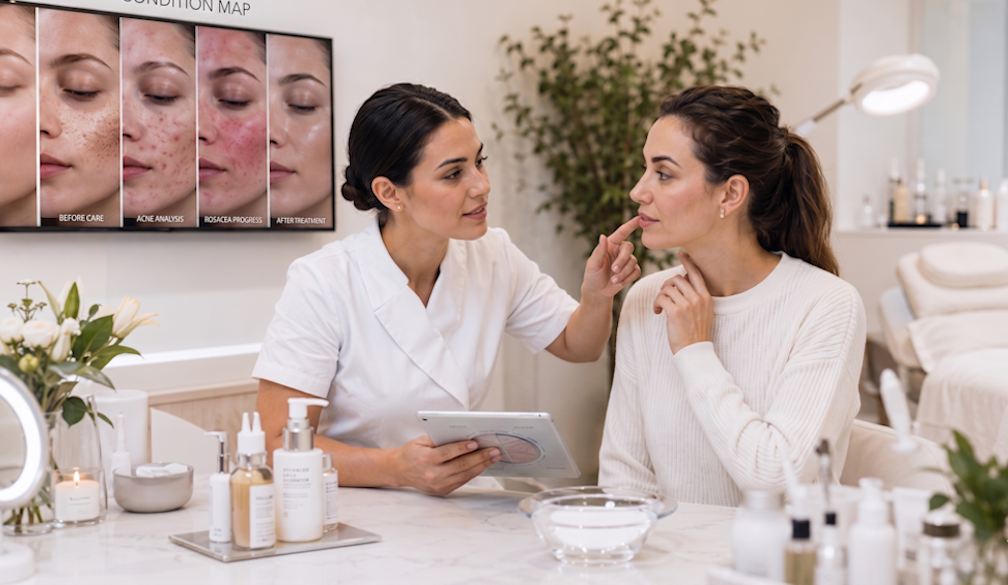
Walking into a treatment room with a vague goal like “better skin” can make it harder to choose the right facial. Skin concerns are usually specific, even when they show up together. Dehydration can sit alongside oiliness, redness can coexist with breakouts, and dullness can be a mix of slow cell turnover plus a compromised barrier. A good starting point is to name the single change you want most, then choose the facial approach that targets that concern without creating a new problem.
Many service menus, including those that list options under labels like facial north sydney, group treatments by the outcome they are designed to support, which can make it easier to match a facial to what your skin is actually doing.
Start by identifying your “primary” concern
If you have more than one concern, pick the one that bothers you most right now. This matters because some techniques work beautifully for one issue but can aggravate another.
- If your skin feels tight or looks crepey under makeup, dehydration is probably primary.
- If your pores look stretched and texture feels bumpy, congestion is likely primary.
- If your skin flushes easily or stings with basic products, sensitivity is primary.
- If your complexion looks flat and uneven, dullness might be primary.
- If you have active inflamed breakouts, inflammation is primary, even if congestion is also present.
Once you have that primary concern, you can choose a facial style that supports it while keeping your skin barrier calm.
Dehydration and tightness: prioritize barrier support
Dehydrated skin often lacks water in the upper layers, and it can happen in any skin type, including oily. The most helpful facials here are those that focus on replenishing, soothing, and reducing transepidermal water loss.
What usually helps:
- Gentle cleansing and minimal friction
- Hydrating masks and barrier-supporting finishing products
- Light massage that boosts comfort without overstimulating
What to be careful with:
- Strong exfoliation when your skin already feels tight
- Heat-heavy steps that can worsen dryness
- Overly aggressive extractions that can leave you irritated
A useful rule: if your skin is both dehydrated and congested, address dehydration first for a few weeks. A calmer barrier often tolerates congestion-focused work far better.
Congestion and rough texture: choose clarifying techniques carefully
Congestion tends to show up as bumps, uneven texture, and pores that look “busy,” especially around the nose, chin, and forehead. The best approach depends on whether you are dealing with stubborn buildup, blackheads, or frequent closed comedones.
What usually helps:
- Targeted exfoliation appropriate to your tolerance
- Controlled extractions when they are truly needed
- A treatment flow that reduces re-blocking, not just a quick “clear out”
What to be careful with:
- Over-exfoliating when your skin is already reactive
- Chasing squeaky-clean skin, which can trigger rebound oiliness
- Picking at home between appointments, which inflames congestion into breakouts
If your congestion is paired with redness or stinging, look for gentler clarifying options and avoid stacking multiple “strong” steps in a single session.
Sensitivity and redness: avoid overstimulation
Sensitive skin is less about being “weak” and more about having a reactive barrier and a nervous system that responds quickly to triggers. Redness can come from irritation, dryness, overuse of actives, or underlying inflammatory tendencies.
What usually helps:
- Soothing masks and anti-redness focus
- Minimal exfoliation or very mild methods
- Calm, low-fragrance finishing products and sunscreen compatibility
What to be careful with:
- Strong acids, harsh physical scrubs, or vigorous massage
- Too many product layers during one appointment
- Trying something new right before an event
If your skin routinely stings with basic moisturiser, your best facial choice is the one that leaves you feeling comfortable rather than dramatically “polished” immediately.
Dullness and uneven tone: think “controlled renewal”
Dullness often comes from slower turnover, dehydration, buildup, or lifestyle factors like poor sleep and stress. Many people reach for intense exfoliation, but “more” can backfire if your barrier is not ready for it.
What usually helps:
- Gentle exfoliation paired with hydration
- Brightening support that does not rely on harshness
- A plan that spreads renewal over time rather than doing everything at once
What to be careful with:
- Strong exfoliation when you are already flaky or tight
- Scheduling a high-renewal facial right before lots of sun exposure
- Combining multiple exfoliating products at home in the same week
If your goal is glow, the fastest way there is often a calm barrier plus modest renewal, not a single aggressive session.
Breakouts: treat inflammation first, not just “clogged pores”
Active breakouts need a different approach from general congestion. Inflamed acne is an immune response in the skin. When treatments are too harsh, inflammation can worsen, and recovery takes longer.
What usually helps:
- Gentle clarifying work with a focus on reducing irritation
- Skipping unnecessary friction and heat
- A plan that supports consistency rather than intensity
What to be careful with:
- Painful extractions on angry, inflamed spots
- Over-cleansing and over-exfoliating after the appointment
- Assuming every breakout is the same type
If you tend to get breakouts around your cycle, after travel, or during stressful periods, choose facials that keep your skin calm and resilient rather than chasing a “perfectly clear” result after one visit.
Timing, aftercare, and how to know you chose well
A facial should leave your skin feeling comfortable, not raw. Mild pinkness for a short period can be normal, but stinging, persistent redness, or tightness that lasts into the next day is a sign the approach was too aggressive for your current barrier.
General aftercare that supports most facial types:
- Keep the routine simple for 24–48 hours
- Pause strong actives if your skin feels sensitised
- Prioritise sunscreen, especially after any exfoliation
If you are unsure between two options, choose the one that is more supportive rather than more intense. You can always increase treatment strength later, but it is harder to undo irritation once it takes hold.
