

How Pilates and Physiotherapy Work Together to Speed Up Injury Recovery
Recovering from an injury is one of the most frustrating experiences an active person faces. The desire to get back to full function is strong, but rushing the process or choosing the wrong rehabilitation approach can extend the timeline and in some cases create new problems. The combination of physiotherapy and reformer Pilates has emerged as one of the most effective rehabilitation strategies available, offering a structured, progressive approach to recovery that addresses the root cause of injury rather than simply managing symptoms. Here is how these two disciplines work together and why that combination produces better outcomes.
Why Injury Recovery Requires More Than Rest
The old advice of rest and ice has given way to a much more nuanced understanding of how the body heals. Research consistently shows that active, guided rehabilitation produces faster and more complete recovery than passive rest. The key is choosing the right kind of movement at the right stage of recovery. Too much too soon causes re-injury. Too little for too long allows weaknesses to become entrenched. A qualified physio in Auckland provides the clinical assessment that determines exactly where you are in the healing process and what level of loading your tissues can safely handle at each stage.
Where Physiotherapy Begins the Process
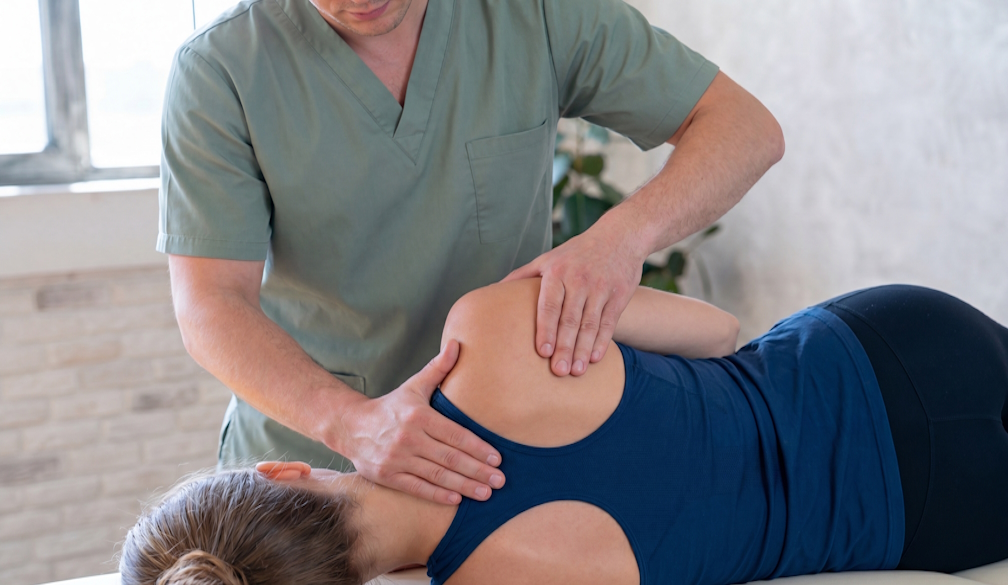
Physiotherapy is the clinical starting point for any injury rehabilitation programme. A physiotherapist identifies the specific structures that have been injured, assesses contributing factors such as muscle imbalances and movement patterns, and designs a treatment plan that addresses both the injury and its underlying causes. Hands-on treatment, targeted exercises, and education about how to move during recovery are all part of the physiotherapy toolkit. Without this foundation, rehabilitation exercises lack the clinical context that makes them safe and effective.
Where Reformer Pilates Takes Recovery Further
Once a physiotherapist has assessed the injury and established the appropriate level of loading, reformer Pilates becomes a powerful tool for building the strength, stability, and movement quality that sustained recovery requires. Reformer Pilates in Auckland uses a spring-loaded resistance system that allows precise control over the load placed on injured tissues, making it possible to challenge the body progressively without exceeding safe limits. The focus on deep stabilising muscles, postural alignment, and controlled movement addresses the functional deficits that often persist long after the acute injury has healed, and that are frequently the reason people re-injure themselves when they return to full activity.
The Specific Benefits for Common Injuries
Reformer Pilates is particularly effective for injuries involving the spine, hips, knees, and shoulders, which together account for the majority of musculoskeletal injuries presenting in physiotherapy clinics. For lower back injuries, the deep core activation and spinal stabilisation work in Pilates addresses the muscle weakness that often underpins chronic back problems. For knee and hip injuries, the lower limb loading patterns in reformer work rebuild strength in a controlled, graduated way that allows the joint to adapt without being overloaded. For shoulder injuries, the scapular stability and rotator cuff activation that Pilates emphasises are directly relevant to the movement deficits that shoulder injuries create.
Finding the Right Team in Auckland
The quality of the rehabilitation experience depends significantly on the quality of the professionals involved. Peak Pilates offers reformer Pilates in a professional, clinically aware environment, with instructors who understand how to adapt sessions for clients in different stages of recovery. When your Pilates programme is designed in collaboration with your physiotherapy team, the two disciplines reinforce each other in a way that neither could achieve alone.
Building Resilience Beyond Recovery
One of the most valuable outcomes of a combined physiotherapy and Pilates rehabilitation programme is not just returning to the level of function you had before the injury. It is building a higher level of resilience, body awareness, and movement quality that makes re-injury less likely and your overall physical performance more robust. People who go through this process properly consistently report that they feel better after rehabilitation than they did before the injury, which is a powerful testament to what these disciplines can achieve together.
Starting Your Recovery Journey
If you are currently dealing with an injury or trying to return to full activity after a setback, the most important first step is getting a proper clinical assessment. From there, a structured programme that brings physiotherapy and reformer Pilates together will give you the clearest, most direct path back to full function. Auckland has excellent facilities and professionals available in both disciplines. Use them wisely and the recovery timeline will be shorter than you think.
Article Written by Elliott SEO Auckland
