

Indoor–Outdoor Transitions That Enhance Comfort and Accessibility for Your Home in Australia
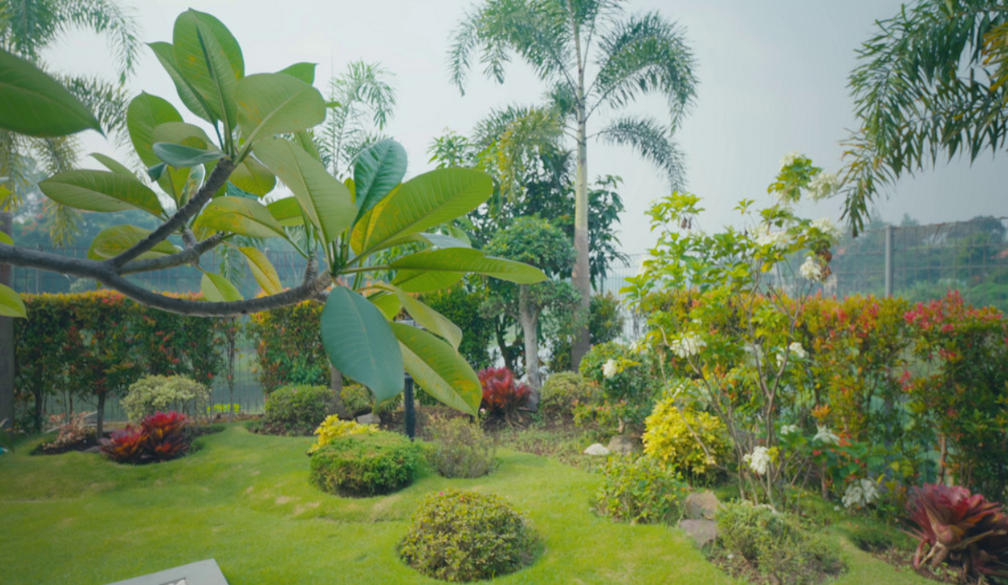
Australian homes are uniquely positioned to benefit from seamless indoor–outdoor transitions. With a climate that encourages outdoor living and a lifestyle that values connection to nature, designing spaces that flow effortlessly between inside and outside can significantly enhance comfort, accessibility, and property value. Whether you live in a coastal region, a suburban neighbourhood, or a growing community inland, thoughtful indoor–outdoor design can transform how you experience your home year-round.
Let's explore practical and stylish ways to improve indoor–outdoor transitions, focusing on comfort, accessibility, and modern Australian living.
The Importance of Indoor–Outdoor Living in Australia
Indoor–outdoor living is more than a design trend in Australia—it’s a way of life. From family barbecues and weekend gatherings to quiet mornings with fresh air and natural light, Australians frequently use outdoor areas as extensions of their indoor spaces.
Well-designed transitions reduce visual and physical barriers between these areas, making homes feel larger and more inviting. They also improve ventilation, natural lighting, and overall wellbeing. For households with children, older family members, or mobility considerations, smooth transitions can greatly enhance everyday accessibility and safety.
Designing for Comfort Across Seasons
Comfort is a key consideration when blending indoor and outdoor spaces. While Australia enjoys mild to warm weather in many regions, seasonal changes still require thoughtful planning. Shade structures, covered patios, and adjustable awnings allow outdoor spaces to be used comfortably during hot summers and cooler months.
Similarly, indoor climate control can be supported through strategic design. Large openings such as sliding or bi-fold doors promote airflow, reducing reliance on air conditioning. When these doors are positioned to capture prevailing breezes, they help regulate indoor temperatures naturally.
Flooring Choices That Create Seamless Transitions
Flooring plays a crucial role in visually and physically connecting indoor and outdoor areas. Using similar tones, textures, or materials across both spaces creates a cohesive look and reduces the sense of separation.
In Australian homes, porcelain tiles, polished concrete, and treated timber are popular choices due to their durability and weather resistance. Slip-resistant finishes are particularly important, especially in homes near pools, gardens, or waterways. Level thresholds and flush transitions further improve accessibility for prams, wheelchairs, and those with limited mobility.
Kitchen-to-Outdoor Flow for Entertaining
The kitchen is often the heart of the home, making it an ideal starting point for indoor–outdoor design. Connecting the kitchen directly to an outdoor dining or entertaining area enhances functionality and social interaction.
One interior scheme perfect to apply to kitchens is the Cool Country trend, which features cool-tones like white, grey, dusty blue, navy, and charcoal. This aesthetic pairs beautifully with outdoor materials like stone, timber, and greenery, creating a harmonious transition that feels both timeless and contemporary.
Servery windows, wide door openings, and outdoor kitchen features can further blur the boundary between cooking, dining, and entertaining spaces.
Accessibility-Focused Design Features
Accessibility should be a priority in any indoor–outdoor transition. Features such as step-free access, wide doorways, and non-slip surfaces ensure that outdoor areas are usable by everyone, regardless of age or mobility.
Lever-style door handles, automated doors, and adequate lighting also improve ease of movement and safety. For households planning to age in place, incorporating these elements early reduces the need for future renovations while supporting long-term independence.
Connecting with Nature and the Landscape
Australian homeowners increasingly seek stronger connections to nature, and indoor–outdoor design plays a major role in achieving this. Views of gardens, courtyards, or water features can be framed through large windows and doors, bringing the outdoors visually into the home.
In growing regional communities, environmental projects can further enhance this connection. For example, The Westbrook, Australia community has two major waterway projects to enhance the area’s natural beauty. Homes designed with outdoor-facing living spaces can take full advantage of such developments, creating peaceful environments that feel integrated with the surrounding landscape.
Outdoor Living Spaces as Functional Rooms
Outdoor areas are no longer just backyards—they are functional living spaces. Alfresco dining areas, outdoor lounges, and covered decks can be designed to mirror the comfort of indoor rooms while offering fresh air and open views.
Incorporating weather-resistant furniture, outdoor rugs, and soft lighting helps these areas feel welcoming and usable throughout the year. When outdoor spaces are designed with intention, they become natural extensions of indoor living rather than separate zones.
Landscaping That Supports Indoor–Outdoor Flow
Landscaping plays a vital role in how indoor and outdoor spaces connect. Thoughtful plant selection, pathways, and garden layouts guide movement and frame views from inside the home.
Raised garden beds, vertical gardens, and greenhouse structures are becoming increasingly popular for homeowners who enjoy growing their own produce. This interest aligns with broader industry growth, as the greenhouse horticulture market is projected to reach $65 billion by 2030. Integrating these elements into outdoor living areas allows homeowners to enjoy greenery while maintaining accessibility and visual appeal.
Lighting for Safety and Ambience
Lighting is essential for both comfort and safety in indoor–outdoor transitions. Well-placed lighting ensures clear visibility at night while enhancing the overall atmosphere of the space.
Soft, warm lighting near doorways and pathways improves accessibility and reduces trip hazards. Feature lighting in gardens, decks, and pergolas highlights architectural elements and landscaping, creating inviting outdoor environments that can be enjoyed after sunset.
Materials That Withstand the Australian Climate
Durability is especially important in Australian homes due to varying climate conditions. Materials used in transition zones must withstand sun exposure, moisture, and temperature changes.
Powder-coated aluminium, stainless steel fixtures, and treated timbers are commonly used for doors, railings, and outdoor structures. Choosing materials that require minimal maintenance ensures long-term performance without compromising on style.
Sustainable Design and Energy Efficiency
Indoor–outdoor transitions can also support sustainability goals. By maximising natural ventilation and daylight, homeowners can reduce energy consumption and improve indoor comfort.
Overhangs, pergolas, and strategically placed vegetation provide natural shading, helping to regulate indoor temperatures. When combined with energy-efficient glazing and insulation, these design features contribute to a more sustainable and cost-effective home.
Enhancing Property Value Through Thoughtful Design
Homes with well-executed indoor–outdoor transitions are highly desirable in the Australian property market. Buyers increasingly look for spaces that support entertaining, relaxation, and accessibility.
Investing in quality design, materials, and layout not only improves daily living but also enhances long-term property value. Seamless transitions signal thoughtful planning and modern living, making homes more appealing to a wide range of buyers.
Indoor–outdoor transitions are a defining feature of comfortable and accessible Australian homes. By focusing on seamless design, accessibility, and connection to nature, homeowners can create spaces that support both lifestyle and longevity.
