

Energy Savings Showdown: Split System Air Conditioning System vs. Portable Air Conditioners
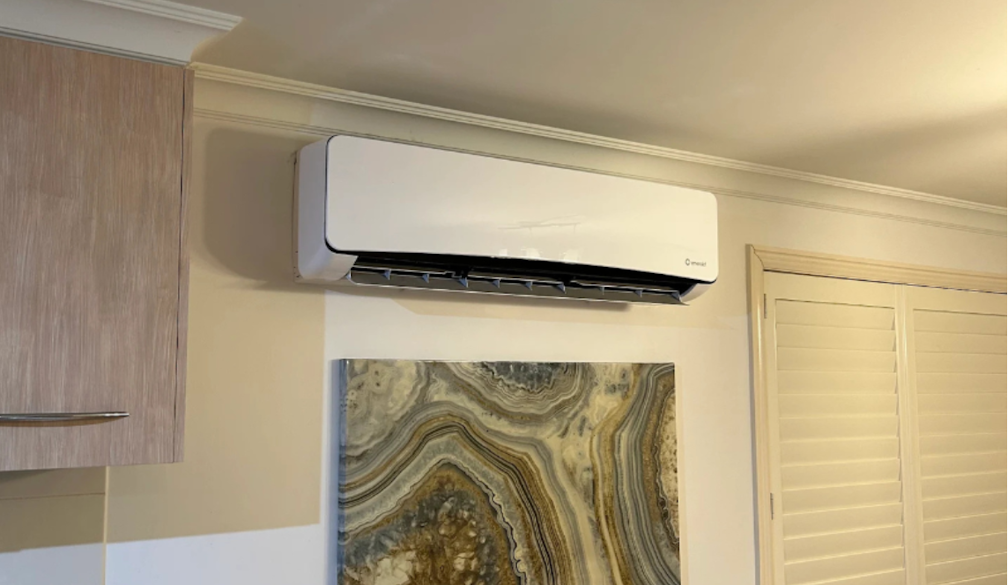
High energy bills often start with a simple cooling choice. Many households accept power drain as unavoidable. This showdown challenges that assumption. A split system air conditioning system and a portable unit promise comfort, yet they play by very different rules. One is built for consistency and control. The other prioritises flexibility and quick relief. The way those traits show up inside your home sets the context for everything that follows.
Split System vs Portable AC: Clearing Up the Confusion
If you’re choosing between a split system air conditioner and a portable unit, it helps to understand how each one works in your home. While both cool the air, they behave very differently once temperatures rise.
A split system air conditioning system is a fixed solution made up of two components: an indoor unit and an outdoor compressor. Warm air is drawn from the room, cooled, and circulated evenly back inside, while heat is expelled outdoors. Once installed, it becomes a permanent part of your home’s comfort system.
A portable air conditioner is a single, movable unit designed to cool one room at a time. Heat is released through a vented hose connected to a window. It requires no permanent installation, which offers flexibility, but that convenience comes with limitations.
Here’s how those differences play out day to day:
Cooling Coverage
Split systems deliver consistent, even cooling across the entire room. You don’t need to sit near the unit to feel comfortable. Portable air conditioners tend to cool the space closest to them, often leaving warm pockets elsewhere.
Installation
Split systems require professional installation and remain fixed in place. Portable units need no permanent setup; just position the unit, connect the window vent, and plug it in. This suits short-term or temporary cooling needs.
Mobility
Portable air conditioners can be moved between rooms, provided there’s a suitable window for venting. Split systems are designed for ongoing use in a single space and are not movable.
Noise Level
In split systems, the noisiest component sits outside the home, keeping indoor operation relatively quiet. Portable units house all components in one unit, meaning operating noise remains inside the room, often noticeable during sleep or work hours.
Space Requirements
Split systems are wall-mounted and don’t take up floor space. Portable units sit on the floor and require clearance and window access, which can feel intrusive in smaller rooms.
Temperature Control
Split systems allow you to set a target temperature and let the system regulate itself. Portable units often require more manual adjustment as external and internal conditions change.
Humidity Handling
As they cool, split systems naturally remove excess moisture from the air, improving comfort on humid days. Portable air conditioners also dehumidify but usually rely on internal tanks or drainage systems.
Day-to-Day Use
Once set, a split system requires minimal attention. Portable units may need repositioning, vent readjustments, or occasional water emptying, depending on the model.
Why Energy Efficiency Matters More Than Purchase Price?
The differences between split systems and portable air conditioners don’t just affect convenience—they directly influence energy use and long-term running costs.
With electricity prices remaining a concern for many Victorian households, choosing an energy-efficient AC can make a meaningful difference well beyond the upfront purchase.
Here’s why efficiency delivers stronger value over time:
Lower Ongoing Power Costs
Efficient systems use less electricity per hour of cooling, reducing energy bills during long Victorian summers.
Better Performance at Scale
A split system air conditioning system cools larger areas more effectively with less strain. Portable units often work harder for more limited results.
Greater Lifespan and Reliability
Efficient systems tend to operate more steadily, reducing component wear and the likelihood of repairs over time.
Future Energy Standards Readiness
Residential energy regulations continue to tighten. High-efficiency systems are better aligned with future requirements.
Consistent Household Comfort
Even cooling minimises hot spots and frequent cycling, delivering more stable comfort alongside energy savings.
How Government Rebates Reduce the Cost of Upgrading?
While energy efficiency impacts long-term running costs, government policy can significantly reduce upfront expenses. In Victoria, the VEU government program offers an air conditioner government rebate for eligible split system air conditioning upgrades that meet strict efficiency standards.
These rebates apply to approved installations, typically replacing older, inefficient systems. Portable air conditioners are excluded, as they do not meet the program’s installation or performance criteria.
Rebates are applied upfront through accredited installers, reducing the split system air conditioner installation cost at purchase. When combined with lower energy use, an energy efficient AC delivers greater long-term value. With no rebate support and higher running costs, portable units are generally the less economical choice for Victorian homes.
