

How to Choose the Perfect Paver: Modern vs. Traditional Designs
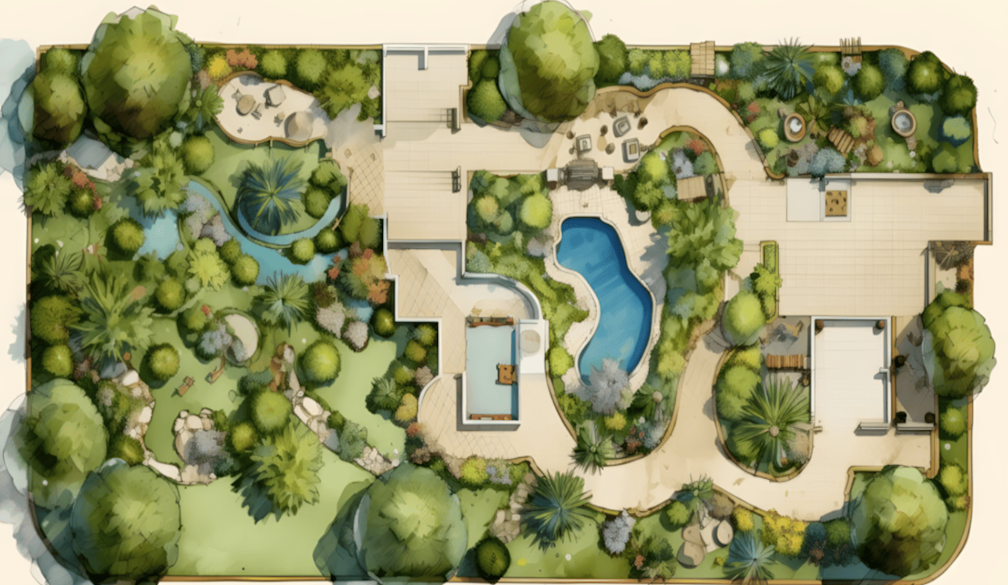
If you’re planning an outdoor upgrade, choosing between modern and traditional pavers can feel surprisingly stressful. You want something that looks right, suits your property, and still feels like a smart decision years from now but the sheer number of styles, finishes, and opinions can quickly create doubt. This uncertainty is common, especially when the result is permanent and costly to change. The good news is that you don’t need to find a “perfect” paver to get it right. What matters most is clarity: understanding what works for your space, your home’s character, and how you’ll actually use the area. With the right perspective, this decision becomes far more straightforward, and far more confident.
Start With the Bigger Picture: Your Home’s Architectural Style
Before comparing colours or textures, it’s important to step back and look at your home as a whole. Your property’s architectural style should be the anchor for every paving decision you make. Modern homes tend to suit clean lines, larger formats, and restrained colour palettes, while classic or heritage-style homes often pair better with warmer tones and more detailed finishes. This approach prevents visual conflict and creates a sense of flow between your home and outdoor spaces. When pavers align with the structure they surround, the result feels intentional rather than forced. Starting here simplifies your options and reduces the risk of choosing a style that feels out of place over time.
What Defines Modern Paver Designs?
Modern paver designs are defined by simplicity and precision. They typically feature clean edges, larger formats, smooth or lightly textured finishes, and neutral tones such as greys, charcoals, and soft concretes. This style works well for contemporary homes, courtyards, and outdoor entertaining areas where a streamlined look is the goal. Modern pavers create visual calm and make spaces feel open and structured. However, they can also highlight poor installation or uneven surfaces, so quality workmanship matters. If you value minimal maintenance, sharp aesthetics, and a refined outdoor setting, modern pavers often provide a strong long-term solution that complements today’s architectural trends without overwhelming the space.
What Defines Traditional Paver Designs?
Traditional paver designs focus on warmth, texture, and timeless appeal. They often include smaller formats, varied tones, and textured or tumbled finishes that add character and visual depth. This style suits classic homes, garden paths, and courtyards where softness and charm matter more than sharp lines. Traditional pavers are forgiving, hiding wear and surface variation more naturally over time. They also blend well with greenery and heritage features, making them a practical choice for established properties. If your goal is to create an inviting outdoor space that feels settled and enduring rather than sleek and modern, traditional pavers can offer lasting appeal without feeling dated.
Common Costly Mistakes to Avoid
One of the most common mistakes is choosing pavers based on trends rather than your home’s existing style. This often leads to spaces that feel disconnected or quickly outdated. Another issue is ignoring scale, large pavers can overwhelm small areas, while smaller formats may clutter open spaces. Mixing too many colours or finishes is another frequent problem, creating visual noise instead of cohesion. Poor planning around drainage, edge restraints, and installation quality can also shorten the lifespan of your paving. Avoiding these missteps starts with slowing down, understanding your space, and making decisions that prioritise longevity, function, and overall balance rather than short-term appeal.
How to Choose With Confidence (A Simple Decision Framework)
Choosing porcelain paving becomes easier when you focus on three clear factors: alignment, use, and longevity. First, align the paver style with your home’s architecture so the design feels cohesive. Second, consider how the space will be used, high-traffic areas need durable, slip-resistant finishes, while decorative zones allow more flexibility. Finally, think long term. Will this style still suit your property in ten years? This framework removes emotional pressure and replaces it with practical clarity. By filtering your options through these steps, you move from second-guessing to confident decision-making, knowing your choice supports both daily use and long-term value.
When Quality and Design Range Matter
Even the best design choice can fall short if the pavers themselves lack quality or consistency. Material strength, finish durability, and colour stability all influence how your outdoor space performs over time. A well-curated design range also makes it easier to find options that suit different architectural styles without compromising reliability. Suppliers like Atlas Paving focus on architectural-grade solutions that balance appearance with performance, helping homeowners avoid shortcuts that lead to repairs or replacements. Prioritising quality from the start protects your investment and ensures your paving continues to look considered, functional, and well-finished long after installation.
A Confident Choice Beats a Perfect One
When you understand your space, your home’s style, and how the area will be used, the right paver choice becomes clear. You don’t need perfection, you need alignment. With informed expectations and quality materials, you can move forward confidently, knowing your decision will look right, perform well, and add lasting value to your property.
