

How to Extend the Life of Your Canberra Hot Water System
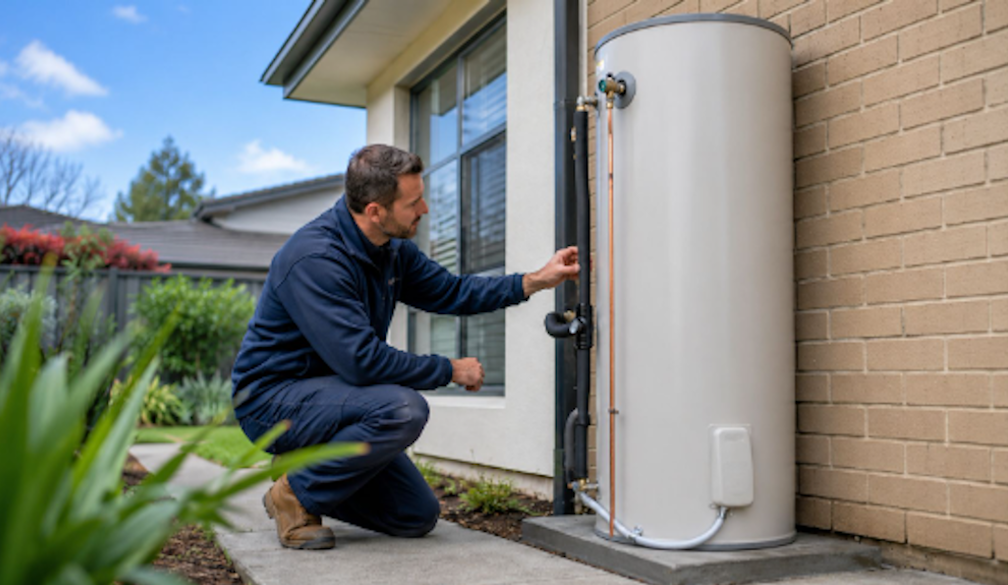
Hot water systems Canberra households rely on work hard throughout the year, especially during cold mornings, busy family routines, and periods of high daily demand. Because a hot water unit is usually installed out of sight, it can be easy to forget about it until something goes wrong. However, a few consistent maintenance habits, combined with timely professional servicing, can help improve performance, reduce avoidable repair costs, and extend the useful life of your system.
Understanding Why Canberra Hot Water Systems Need Regular Care
Canberra’s climate can place extra demands on residential hot water systems and as know, cold winters mean many households will use more hot water for showers, washing, cleaning, and general comfort.
When outdoor temperatures drop, a system may need to start working harder to heat incoming water to the desired level, particularly if its pipes are exposed or poorly insulated. Over time, this additional strain can contribute to component wear, especially in older style units or systems that have not been serviced regularly.
Temperature changes can also affect the surrounding plumbing. Pipes, fittings, valves, and tanks can expand and contract as temperatures shift between cold nights and warmer days. While hot water systems are built to handle normal operating pressures, ongoing stress can make small weaknesses more noticeable. A loose-fitting, ageing valve or a minor leak may gradually become a larger problem if its ignored.
Water quality is another factor that can have an effect on your system's longevity. Minerals in the water can settle in storage tanks, while sediment can accumulate over time, reducing heating efficiency.
This may force the unit to use more energy to deliver the same level of hot water. Ensuring you get regular maintenance for your system helps identify these issues early and supports more reliable performance across the life span of the system.
Common Signs Your Canberra Hot Water System Needs Attention
One of the most common signs of a potential problem is inconsistent hot water. If your shower starts turning cold faster than usual, water starts taking longer to heat up, or the temperature changes suddenly during use, the system may be struggling to meet the demand.
This can happen for several reasons, including a faulty thermostat, a worn heating element, sediment build-up, or an issue with gas supply or ignition in gas systems.
Reduced water pressure can also point to a developing fault. While pressure changes may come from broader plumbing issues, they can sometimes be linked to blocked pipes, valve problems, or internal system restrictions. Any sudden or persistent change in pressure should therefore be investigated before it causes further inconvenience.
Unusual noises are another warning sign of trouble. Rumbling, popping, hissing, or banging sounds may indicate that there is sediment inside the tank, pressure issues, or expanding metal components. Not every noise however, means the unit is about to fail, but new or worsening sounds should not be ignored.
Visible rust, leaks, or discoloured water are more serious indicators. Rust around fittings, damp patches near the unit, or brownish water from hot taps may suggest corrosion inside the tank or pipes.
Small leaks can quickly worsen and may cause damage to your property if left untreated. Rising energy bills can also signal that the hot water system is working harder than it should, particularly if household usage has not changed.
Simple Maintenance Habits That Extend Hot Water System Life
A practical first step is to inspect the area around the hot water unit regularly. Look for water pooling, dampness, corrosion, unusual smells, damaged insulation, or signs of pests. These basic checks do not require technical knowledge, but they can help you see and become aware of small changes before they become expensive faults.
Keeping the space around the unit clear is also important. Hot water systems need adequate access for inspection, ventilation, and servicing. Storing boxes, garden tools, or household items too close to the unit can actually make it harder to spot any potential leaks or may restrict airflow around some systems. A clear area also allows a technician to work safely and efficiently when servicing is needed.
Water temperature settings should be monitored as well. A temperature set too high can increase energy use and place unnecessary strain on components. A setting that is too low may create hygiene concerns in some storage systems, so any adjustment should be made carefully and in line with manufacturer guidance or professional advice. The aim is to balance comfort, safety, and efficiency.
Daily usage habits also matter. Long showers, constant small draws of hot water, and running hot taps unnecessarily can all increase system workload. Simple changes, such as fixing dripping taps, using efficient showerheads, and spacing out heavy hot water use, can reduce demand and support a longer service life.
Why Regular Servicing Helps Your Hot Water System Last Longer
Professional servicing is one of the most effective ways to extend the life of a hot water system. A licensed technician can inspect components that are not easily checked by a homeowner, including valves, electrical connections, gas fittings, thermostats, heating elements, burners, and tank condition. They can also test system performance and identify signs of wear before a breakdown occurs.
A service may include checking the pressure relief valve, inspecting pipework, looking for corrosion, testing temperature control, flushing sediment where appropriate, and assessing whether replacement parts are needed. The exact process depends on the type of system, its age, and the manufacturer’s recommendations.
Preventative servicing can also reduce long-term costs. Many major failures begin as minor issues, such as a worn valve, small leak, or inefficient heating element. When these problems are detected early, they are often simpler and less expensive to resolve. By contrast, ignoring maintenance can lead to emergency callouts, water damage, or premature system replacement.
Service intervals can vary depending on the system type and usage. Storage systems, gas systems, electric units, solar systems, and heat pumps all have different maintenance needs. As a general approach, homeowners should follow the manufacturer’s schedule and seek professional advice if the unit is older, heavily used, or showing any warning signs.
Protecting Key Components of Your Hot Water System
In storage hot water systems, the anode rod is a particularly important component. It is designed to help protect the tank from any corrosion by attracting the corrosive elements that would otherwise attack the tank lining. Over time, the anode rod wears down and may need to be replaced. If it is not checked, corrosion can progress more quickly, shortening the tank's life.
Valves also play a major role in safe and efficient operation. Pressure relief valves, tempering valves, and isolation valves all help the system function correctly. A faulty valve can cause pressure problems, temperature inconsistencies, or safety concerns. Because these components are connected to both performance and safety, they should be assessed by a qualified professional.
Pipes, fittings, and connections should not be overlooked. Even when the main hot water unit is functioning well, leaking or poorly insulated pipework can waste energy and reduce performance.
Corrosion around fittings, loose connections, or damaged insulation may indicate that the broader system needs attention. Maintaining these supporting components helps protect the unit and improve overall reliability.
Energy Efficiency Tips for a Longer-Lasting Hot Water System
Energy efficiency and system longevity often go hand in hand. When a hot water system uses less energy to deliver the required amount of hot water, it generally operates with less strain. Efficient use begins with everyday behaviour, including shorter showers, washing clothes in cold water where suitable, and avoiding unnecessary use of hot taps for quick rinsing.
Insulating exposed hot water pipes can help reduce heat loss, especially in colder areas or where pipework runs through unheated spaces. When less heat is lost between the unit and the tap, the system does not need to work as hard to maintain comfort. This can improve efficiency and may reduce repeated reheating in some setups.
Managing peak household demand is another useful strategy. Running showers, dishwashers, washing machines, and other hot water uses at the same time can place pressure on the system. Spacing out high-demand activities can help the unit recover and operate more smoothly.
In some cases, upgrading certain parts may improve performance. Replacing inefficient showerheads, repairing faulty taps, installing better insulation, or updating ageing valves can support the system without requiring full replacement. For older units, a technician can advise whether targeted repairs are worthwhile or whether the system is nearing the end of its practical life.
Different Hot Water System Types and Their Maintenance Needs
Electric hot water systems are common and relatively straightforward, but they still need regular checks. Heating elements, thermostats, valves, and tank condition should be inspected as part of ongoing maintenance. If an electric system heats slowly or runs out of hot water too quickly, it may have an element or thermostat issue.
Gas hot water systems require attention to burners, ignition systems, ventilation, gas connections, and safety controls. A gas unit that produces inconsistent heat, has a weak flame, or emits unusual smells should be checked promptly. Gas work should only be handled by suitably licensed professionals.
Solar hot water systems have additional components, including roof collectors, pumps, sensors, and boosters. Leaves, shading, damaged panels, or pump faults can reduce efficiency. Regular inspections help ensure the solar component is contributing properly and that the backup booster is operating only when needed.
Heat pump hot water systems also have specific maintenance requirements. Airflow is essential, so the area around the unit should remain clear. Filters, fans, compressors, and electrical components may need inspection. Because heat pumps rely on extracting heat from the surrounding air, correct placement and ventilation are important for long-term performance.
When Repairs Are Better Than Replacement
Not every hot water issue means the system needs to be replaced. Minor problems such as a faulty valve, worn thermostat, damaged fitting, or replaceable heating element can often be repaired. If the tank is still in good condition and the unit is not excessively old, repairs may be a practical and cost-effective option.
However, there are times when replacement becomes the better decision. Repeated breakdowns, major leaks, significant corrosion, poor efficiency, and difficulty sourcing parts can all suggest that the system is nearing the end of its useful life. Continuing to repair an unreliable unit may become more expensive than installing a newer, more efficient model.
Age is an important factor. As a system gets older, components naturally wear down and the risk of failure increases. A professional assessment can help determine whether the current issue is isolated or part of a broader pattern of decline.
Choosing the Right Professional for Hot Water System Maintenance
A hot water system involves plumbing, electrical, gas, and safety considerations, depending on the unit type. This is why it is important to use a licensed Canberra plumbing technician with relevant experience. Proper servicing is not just about restoring hot water; it is about ensuring the system operates safely and efficiently.
When booking maintenance, it is reasonable to ask about experience with your specific type of system, whether common replacement parts are available, and what the service includes. A clear explanation of the work can help homeowners understand the condition of the unit and plan for future maintenance.
Local experience can also be valuable. A technician familiar with Canberra homes, climate conditions, and common system types may be better placed to identify local factors that affect performance. This can be especially useful for older properties, outdoor units, and systems exposed to cold winter conditions.
Long-Term Ways to Extend the Life of Your Canberra Hot Water System
The best approach to hot water system care is consistency. A simple maintenance schedule can include visual checks every few months, prompt attention to leaks or noises, and professional servicing according to the system’s requirements. Keeping records of repairs, service dates, and part replacements can also help track the unit’s condition over time.
Responding early to small problems is one of the most effective ways to prevent major failure. A dripping valve, slight change in water colour, or occasional temperature issue may seem minor, but these signs can indicate deeper wear. Early investigation helps preserve the system and reduces the chance of sudden disruption.
Planning ahead is also important. No hot water system lasts forever, even with excellent care. Knowing the approximate age of your unit and understanding its condition allows you to budget for future replacement before an emergency occurs. This can give you more time to compare options and choose a system that suits your household's needs.
Final Thoughts on Canberra Hot Water System Longevity
Extending the life of a Canberra hot water system comes down to regular attention, efficient usage, and timely professional support. By checking for leaks, monitoring performance, keeping the area around the unit clear, and arranging appropriate servicing, homeowners can reduce unnecessary strain on their system and avoid many preventable faults.
A well-maintained hot water system is more likely to provide steady, efficient, and reliable performance across changing seasons. Whether the unit is electric, gas, solar, or a heat pump, preventative care helps protect key components and supports better long-term value.
For most households, the small effort involved in routine maintenance is far easier than dealing with a sudden loss of hot water, costly emergency repairs, or premature replacement.
