

What “Garden Maintenance” Actually Includes (And What It Doesn’t)
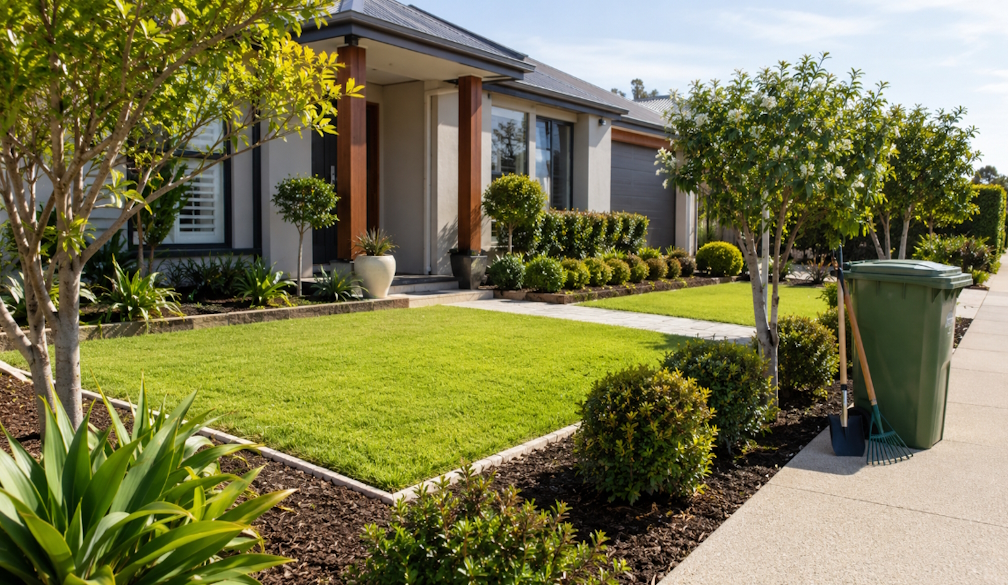
“Garden maintenance” can sound like a single job, but it’s really a bundle of small, repeatable tasks that keep a garden healthy, safe, and tidy. The confusion usually starts when people use the term to describe everything from mowing to major redesigns, even though those sit at very different ends of the effort and skill spectrum.
In everyday language, phrases like local garden maintenance services often point to routine upkeep rather than construction-style work, which is helpful because it sets the expectation that consistency matters more than one big clean-up. Once you know what’s typically included, it’s easier to plan realistic intervals and avoid problems that build quietly over time.
The core goals of routine garden maintenance
Routine maintenance is less about making a garden look “new” and more about keeping it functioning well. Most tasks fall into one of four goals:
- Plant health: supporting steady growth, flowering, and resilience
- Weed and pest pressure: preventing small issues from becoming widespread
- Safety and access: keeping paths clear, reducing trip hazards, and managing overgrowth
- Presentation: tidying edges and shapes so the garden looks cared for
A good maintenance approach usually prioritises plant and soil health first, then tidiness, because a garden that’s healthy is easier to keep neat.
Common tasks that are usually included
While every garden is different, routine maintenance commonly includes:
Weeding and weed preventionThis can mean hand weeding, spot removal of established weeds, and simple prevention like refreshing mulch depth or clearing weeds before they seed.
Pruning and trimmingLight pruning to remove dead growth, shape hedges, and improve airflow around plants. It often includes deadheading flowers and cutting back spent perennials at the right time.
Lawn care basicsMowing, edging, and sometimes light fertilising or patch repair. In many gardens, lawn care is the most frequent task and the first to look messy when skipped.
Green waste removalCollecting and disposing of clippings, leaves, and branches. This is an understated part of maintenance because piles of green waste can smother grass, attract pests, or block drains.
General tidy-up and clean-downClearing paths, sweeping hard surfaces, removing fallen fruit, and keeping garden beds defined.
Maintenance can also include simple checks that don’t take long but prevent bigger issues, like noticing irrigation leaks, broken edging, or plants showing stress.
Tasks that are sometimes included, depending on the garden
Some maintenance work is seasonal or only relevant for certain properties. These tasks may be included on a schedule rather than every visit:
- Mulching: topping up to suppress weeds and protect soil moisture
- Fertilising: feeding lawns or garden beds at appropriate times of year
- Pest and disease monitoring: identifying issues early and removing affected plant material
- Light soil improvement: adding compost to beds or aerating compacted areas
- Irrigation checks: adjusting sprinkler coverage, clearing blocked emitters, fixing minor leaks
These tasks are still “maintenance,” but they’re not always part of a basic, every-time checklist.
What garden maintenance usually does not include
This is where expectations can drift. Many projects are garden-related, but they’re better described as landscaping, construction, or specialist horticulture work rather than routine maintenance.
Garden maintenance typically does not include:
Major landscaping or redesignBuilding new garden beds, changing levels, installing retaining walls, or redesigning planting layouts is project work.
Tree lopping or high-risk tree workLarge trees often require specialist equipment, training, and approvals. Routine pruning is different from removing heavy limbs or working at height.
Hardscaping and constructionPaving, decking, drainage installation, and structural garden features fall outside basic maintenance.
New irrigation installationMinor checks and adjustments can be maintenance. Designing and installing a new irrigation system is usually a separate scope.
Soil remediation and large-scale turf replacementReplacing turf, importing soil, or fixing drainage problems can be substantial projects.
A practical way to think about it: maintenance keeps what you already have performing well. Projects change what you have.
How often maintenance is needed
Frequency depends on growth rate, garden size, and how “finished” you want it to look. As a general guide:
- Weekly or fortnightly: mowing, edging, quick weeding, and tidy-up
- Monthly: deeper weeding, hedge shaping, light pruning, mulch touch-ups
- Seasonal: fertilising cycles, major cutbacks, planting changes, irrigation adjustments
Skipping intervals tends to compound. Weeds go to seed, shrubs get woody and harder to shape, and lawns thicken at the edges. Catch-up work often takes longer than steady upkeep.
How to set expectations for a maintenance plan
A clear maintenance plan isn’t just a list of chores. It’s a set of priorities for the garden you actually have. Useful questions to frame the plan include:
- Which areas matter most: front entry, entertaining space, veggie beds, lawn?
- Which plants are high-maintenance: fast-growing hedges, climbing vines, seasonal flowers?
- Are there known problem spots: shade that encourages moss, areas that stay damp, recurring weeds?
When priorities are clear, maintenance becomes more predictable and less reactive.
 "Pin It")