

What to Know Before Giving Your Bathroom a Luxury Makeover
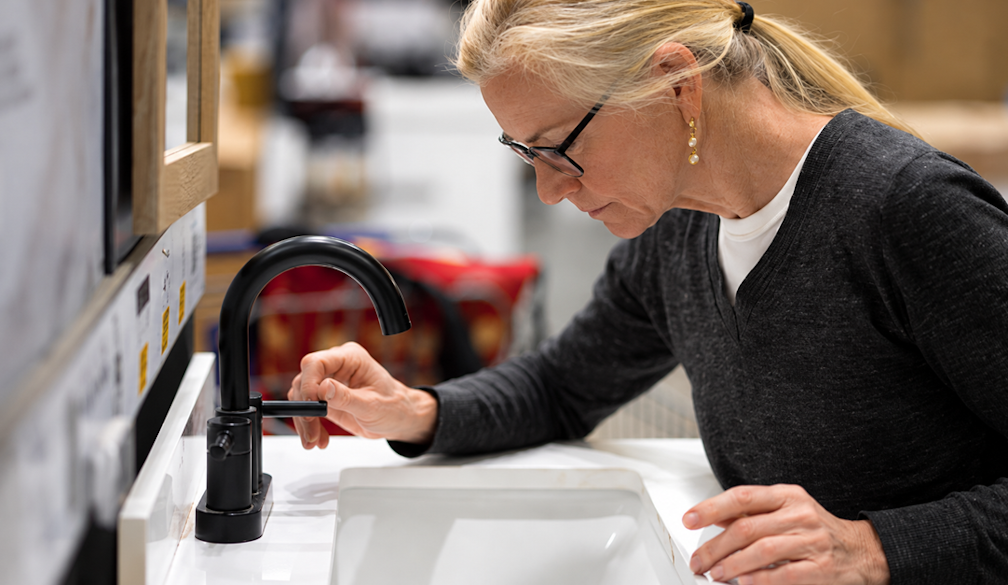
A bathroom renovation is an opportunity to create a space that feels comfortable, looks stylish, and suits your daily routine. Whether you want a spa-inspired retreat or a more practical layout, thoughtful planning can help you achieve the right balance between appearance and functionality. Before choosing tiles, fixtures and finishes, consider how you use the room, what improvements will make the biggest difference and how your investment could benefit your home over time.
Creating a Relaxing, Spa-Inspired Bathroom
Luxury bathrooms are about more than expensive fittings and attractive finishes. They combine comfort, thoughtful design and practical features to create a relaxing environment where you can unwind at the end of the day. According to Explore Hardware, nearly 80 percent of homeowners now favour bathroom designs that capture the comfort and luxury associated with high-end hotels and spas. This preference highlights the appeal of bringing a more relaxing, resort-like atmosphere into everyday living spaces.
Lighting is an important starting point when creating this atmosphere. Natural light can make a bathroom feel more open, while layered lighting provides flexibility for different activities. Consider installing bright task lighting around the vanity for grooming, along with softer lighting for a calmer evening routine. If natural light is limited, well-positioned fixtures and large mirrors can help the room feel brighter.
Your choice of materials also influences the overall experience. Stone-look tiles, timber accents and brushed metal fixtures can introduce texture and visual interest without overwhelming the space. Neutral colours often provide a timeless foundation, while carefully selected accessories can add personality. Heated towel rails, rainfall showerheads and well-designed storage can further improve comfort, helping your bathroom feel luxurious without sacrificing everyday convenience.
Choosing Upgrades That Suit Your Needs
Before committing to a particular design, identify the problems you want your renovation to solve. You might need more storage, better lighting, an easier-to-clean shower, or a layout that makes the room feel less cramped. Understanding these priorities helps you direct your budget towards improvements that will have a noticeable impact. It also reduces the risk of spending money on decorative features while overlooking practical issues.
Bathroom renovations are a popular home improvement project, but every household has different reasons for undertaking one. According to Houzz, 35% of homeowners who completed renovations in recent years included a bathroom remodel in their projects. This figure demonstrates how commonly bathrooms feature in renovation plans, making it worthwhile to consider which changes will best suit your household and property.
Start by reviewing the existing layout before deciding whether major structural changes are necessary. Keeping plumbing in its current position may help control costs, while replacing an outdated vanity or upgrading the shower can still transform the room. If the bathroom lacks storage, consider vanity drawers, recessed shelving, or mirrored cabinets that make better use of available space. For smaller bathrooms, wall-mounted fixtures and frameless shower screens can create a more open appearance.
Durability should also guide your choices. Bathrooms experience frequent moisture, temperature changes, and daily wear, so select materials designed to withstand these conditions. Slip-resistant flooring, effective ventilation and water-resistant finishes can support long-term performance. By prioritising quality where it matters most, you can create a bathroom that looks appealing and remains functional for years.
Balancing Your Budget With Long-Term Value
A luxury makeover does not have to involve replacing every fixture or choosing the most expensive materials available. Establish a realistic budget before work begins, accounting for labour, materials, fittings, and a contingency for unexpected repairs. Hidden problems, such as water damage or ageing plumbing, can increase costs once renovation work starts. Setting aside additional funds can help you manage these surprises without compromising essential improvements.
It is also worth considering how a renovated bathroom could affect your property's resale appeal. According to Architectural Digest, bathroom renovations deliver an average return on investment (ROI) of 71%. Although actual returns vary depending on the property, renovation costs, and local market conditions, this figure suggests that bathroom improvements can offer financial benefits as well as everyday comfort.
To make the most of your investment, focus on upgrades with broad appeal. Well-maintained surfaces, modern fixtures, efficient lighting and practical storage can help a bathroom feel fresh without making it overly personalised. Timeless finishes may also appeal to a wider range of future buyers than highly distinctive colours or elaborate design features. If you plan to sell your home, consider the expectations of buyers in your area before deciding how much to spend.
Finally, obtain detailed quotes and compare what each contractor includes. Confirm the expected timeline, material costs, and arrangements for managing unexpected work before signing an agreement. Clear communication and careful planning can help prevent misunderstandings and keep your renovation aligned with your budget.
A successful bathroom makeover combines comfort, functionality and considered spending. By choosing suitable materials, prioritising practical upgrades and planning for long-term value, you can create a space that feels luxurious without losing sight of your needs. Take time to establish your priorities before starting, and your renovated bathroom can become a more enjoyable and functional part of your home.
