


Rain Plan Playbook: Getting Great Couple Photos in Unpredictable Weather
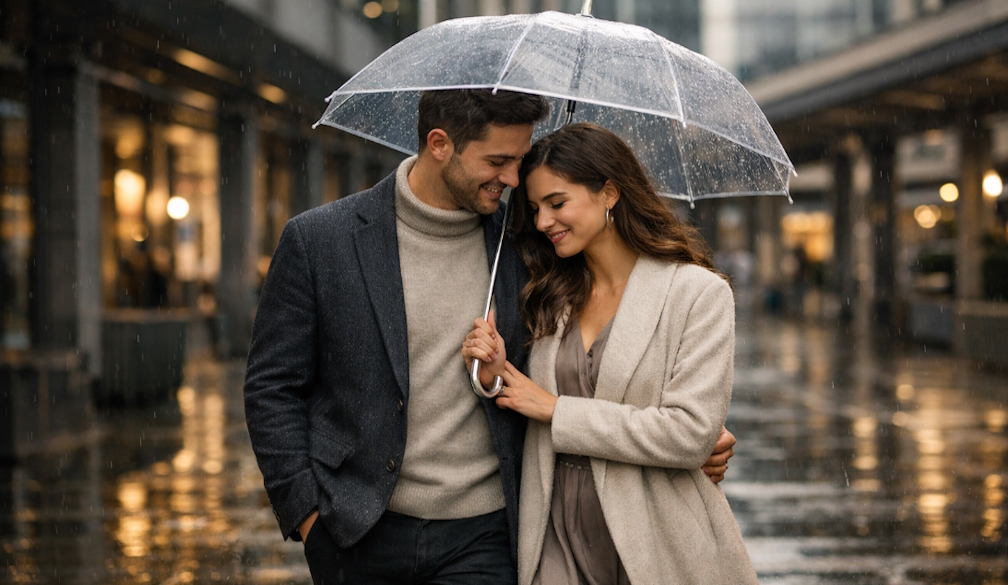
Rain does not automatically mean “ruined photos.” More often, it means a slightly different plan, a little more patience, and outfits that can handle real movement. Wet pavement, soft overcast light, and moody skies can make images feel cinematic, as long as you are not distracted by discomfort or constantly worrying about what is getting soaked.
In many sydney pre wedding photography sessions, the best rain outcome comes from treating the weather like a variable rather than a disaster. When you prepare for both drizzle and downpour, you can stay relaxed enough for the photos to look like you, not like you are enduring something.
Decide What “Rain Friendly” Means for Your Session
Not all rain is the same. Your plan should depend on three things: how heavy it is, how long it will last, and how much cover the location offers.
A useful way to think about it:
- Light drizzle: Often workable with an umbrella, a towel, and non-slip shoes.
- Steady rain: Works best with covered walkways, arcades, awnings, or a cozy indoor option.
- Storm conditions: Usually a reschedule or an indoor plan, especially if wind is pushing rain sideways.
The key is removing decision fatigue on the day. If you already know which option you will choose under each scenario, you spend less time debating and more time enjoying the experience.
Choose Outfits That Look Better Damp Than Rumpled
Rain changes fabric behavior. Some materials photograph beautifully in misty weather. Others cling, show water spots, or wrinkle instantly.
Good rain-leaning choices:
- Textured fabrics (wool blends, tweed, thicker knits) that keep shape
- Mid-weight dresses and skirts that move without turning transparent
- Darker or mid-tone colors that hide splashes and damp patches better than pale pastels
Be cautious with:
- Very light fabrics that become see-through
- Shiny satin that shows water marks
- Tight fits that cling when damp
For layering, a simple coat, blazer, or jacket can look intentional and help with warmth. Aim for pieces you would actually wear outside, not something you are afraid to get wet.
Shoes: Prioritize Grip and Confidence
Slippery shoes turn walking into careful shuffling, and that cautious posture is hard to hide on camera. Pick shoes that can handle wet ground and that you can move in naturally.
A practical combo is one “rain safe” shoe for walking between spots and a dressier option for a short set under cover. If you are near sand, grass, or stone steps, traction matters more than style.
Also bring spare socks if you are wearing closed shoes. Dry feet change your mood instantly.
Pack a Small Weather Kit That Actually Gets Used
A rain plan becomes easy when your essentials are within reach. Keep it simple and realistic.
Your go-to kit:
- One large, sturdy umbrella (clear can work well visually, but only if it is wind-resistant)
- A small towel or microfiber cloth
- Blotting papers and a compact powder
- Hair pins and a spare hair tie
- A lightweight robe or oversized shirt for quick cover between locations
- A plastic bag for damp items
- A lint roller (wet fabric attracts lint)
If it is cool, add a warm layer you do not mind appearing in a few frames. Shivering reads as tense, even if you are smiling.
Hair and Makeup: Plan for Softness Over Perfection
Rain and wind punish anything overly structured. A “less rigid” approach tends to hold up better and looks more natural even if strands move.
Hair tips that help:
- Prefer low buns, loose waves, or half-up styles over tight, sculpted looks
- Use pins strategically rather than relying on heavy product
- Accept that a few flyaways are normal and often add to the candid feel
Makeup priorities:
- Waterproof mascara and a long-wear base
- Cream products can melt. Set lightly where needed.
- Bring a clean sponge or tissue for quick touch-ups
The goal is not staying untouched. It is staying comfortable and looking like yourself in changing conditions.
Use the Weather to Create Mood Instead of Fighting It
Overcast light is often flattering because it reduces harsh shadows. Rain can also add reflective surfaces, soft haze, and a sense of intimacy. If you lean into it, you can get a set of photos that feels different from bright-sun images.
A few rain-friendly photo ideas:
- Walking slowly under an umbrella rather than standing still
- Pausing under an awning for close, quiet moments
- Using reflections in puddles as a subtle background element
- Letting the environment be part of the story, without exaggerating it
Movement is your friend. It keeps you warm, reduces stiffness, and makes the images feel alive.
Pick a Location Strategy: Cover, Variety, and Minimal Travel
The best rainy-day locations have multiple looks within a short distance. That way, you can shift angles without spending half the session in transit.
Look for:
- Covered walkways and archways
- Buildings with textured walls and overhangs
- Sheltered gardens or conservatories
- Indoor spaces with large windows and clean light
Minimize car-to-spot-to-car hopping. Frequent stops increase the chances of soaked hems and foggy moods.
When Rescheduling Is the Smartest Choice
Sometimes the most confident decision is moving the date. If there is unsafe wind, lightning risk, or conditions that will make you miserable, rescheduling protects both the experience and the result.
A useful rule: if you cannot stay warm, dry enough, and steady on your feet, it is no longer “atmospheric.” It is just uncomfortable.
