

What to Know Before Booking a Skip Bin in Australia
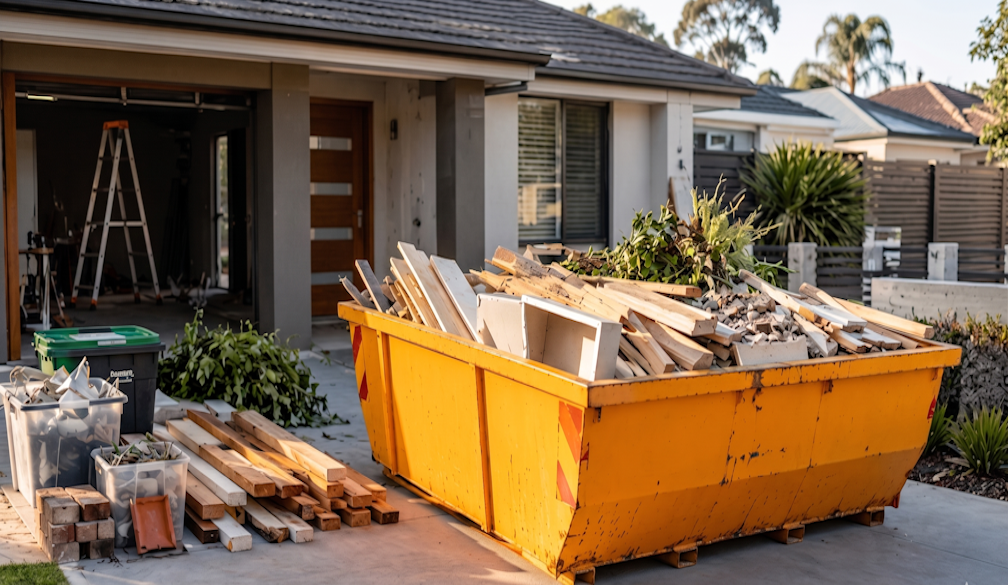
Managing waste efficiently is an important part of any clean-up, renovation or construction project. Whether the job involves household junk, green waste or building materials, choosing the right bin service can make the process easier and more cost-effective. For many Australians, price is one of the first things they compare, but value often depends on more than the advertised rate. When researching providers, many people start by comparing options for Cheapest Skip Bin Hire to understand what is included and which service best suits their needs.
Why skip bin prices can vary
Skip bin pricing is influenced by several factors, and the cheapest advertised option is not always the most practical one. Bin size is one of the biggest variables, as larger bins naturally cost more than smaller ones. Waste type also matters, because general mixed waste, green waste, concrete and soil can have different disposal requirements and fees.
Location can affect cost as well. Metropolitan areas may have more providers and competitive pricing, while regional locations sometimes face higher transport charges. Hire duration is another factor, especially if a bin is needed for several days or longer than the standard rental period.
Choosing the right bin size for the job
One of the easiest ways to avoid unnecessary expense is to select a bin size that matches the volume of waste. A bin that is too small may require a second collection, while one that is too large means paying for unused capacity.
Smaller bins often work well for spring cleaning, garage clear-outs or minor garden tidy-ups. Medium bins suit bathroom updates, small renovation work and office clean-outs. Larger bins are usually better for major building projects, demolition waste or substantial landscaping jobs. Estimating the waste load in advance can help reduce avoidable costs and delays.
Understanding what can go into the bin
Knowing what materials are accepted is essential before booking. Different skip bin services may have different rules based on local regulations and waste processing requirements. Common accepted materials include timber, bricks, green waste, furniture and general household items, depending on the bin type.
Restricted items often include asbestos, chemicals, batteries, tyres and hazardous materials. Placing prohibited items in a bin can lead to additional charges or collection refusal. Checking the provider’s accepted waste categories helps prevent confusion and supports safer disposal practices.
Looking beyond the base price
A low base rate can be appealing, but it is worth reviewing the full terms of service. Some quotes may not include delivery, collection, weight limits or extended hire fees. Others may apply additional charges for mixed heavy waste or contamination from restricted items.
Comparing quotes on a like-for-like basis is usually the best approach. This means checking the included rental period, the type of waste allowed, any tonnage limits and whether council permits are needed if the bin will be placed on a public road. A clear quote often gives a more accurate picture of actual value.
The role of timing and planning
Booking a skip bin at the right time can improve efficiency and reduce project disruption. For home renovations, it often helps to arrange the bin to arrive shortly before demolition or clean-up begins. For construction sites, placing bins strategically can make waste handling safer and more organised.
Planning ahead also gives more choice in bin sizes and collection dates. During busy periods, such as weekends or peak renovation seasons, availability may be more limited. Early booking can help secure a suitable option without rushing into a more expensive decision.
Why informed comparisons matter
Finding a practical skip bin service is not only about choosing the lowest number on a quote. It involves understanding waste type, bin size, hire terms and any conditions that could affect the final cost. A careful comparison can lead to a smoother clean-up process and fewer unexpected fees.
For households, tradies and builders alike, informed decisions often result in better waste management and better overall value. In a market with many options available, taking the time to compare services properly can make a noticeable difference.