

Is Your Tree a Liability? Tree Pruning vs. Removal Guide
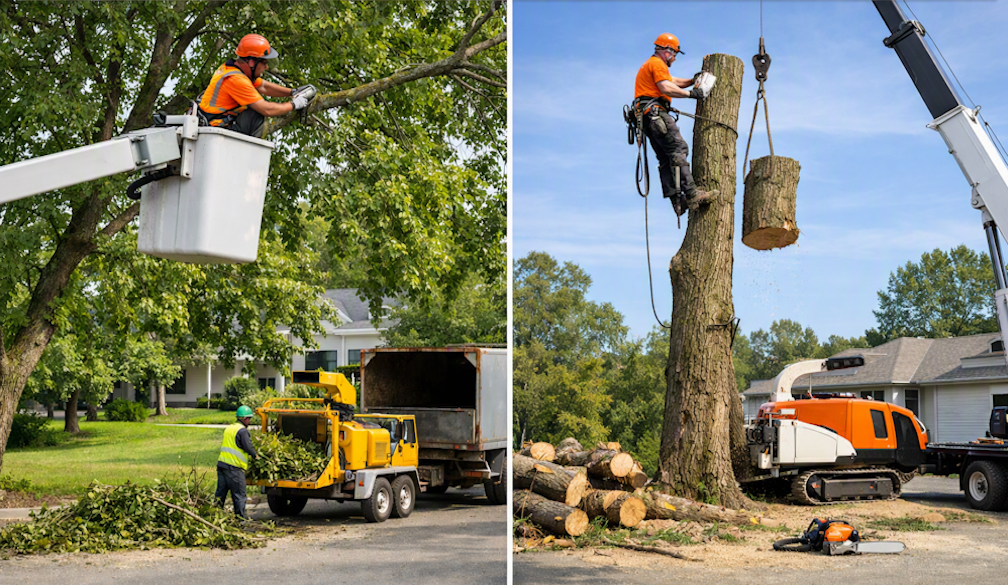
Have you ever stood in your backyard, looked up at a tree that's been there longer than you have, and quietly wondered whether it's still an asset or slowly turning into a liability? It's a more common thought than most people admit. A healthy tree adds shade, privacy, character and even value to a property. But the same tree, left unchecked or damaged by a storm, can become one of the most expensive and dangerous things on your block.
For homeowners across Perth's northern suburbs, this question comes up more often than you'd expect. The combination of hot, dry summers, sandy soils and the occasional violent winter storm puts local trees under real stress. Knowing how to read the signs and when to bring in a professional rather than reaching for a ladder and a chainsaw can save you money, protect your home, and quite possibly prevent a serious injury.
The trees don't tell you politely
One of the trickiest things about trees is that they rarely give you a dramatic warning. A tree doesn't suddenly announce that it's dying. Instead, it drops hints over months or years, and most of us are too busy to notice until something goes wrong.
The early signals are subtle. You might see a canopy that's thinning on one side, branches that leaf out later than the rest of the tree in spring, or bark that's starting to peel away in sheets rather than the usual gentle shedding. Fungi growing at the base, especially bracket fungi that look like shelves, is often a sign that the trunk or root system is rotting from the inside. By the time a tree looks obviously sick from the street, the problem has usually been developing underground for a long while.
If you've spotted any of these signs and you're weighing up your options, it's worth talking to a qualified arborist before making a decision. Companies like Lakeside Trees and Stumps assess trees in Perth's northern suburbs every week and can often tell you within minutes whether you're looking at a manageable pruning job or a tree that genuinely needs to come down. An honest assessment early can be the difference between a modest maintenance bill and an emergency callout after the next big blow.
Pruning, lopping or removal? They're not the same thing
There's a lot of confusion around the words people use for tree work, and it matters more than you'd think. Pruning, lopping and removal are three very different jobs with very different outcomes.
Pruning is the careful, selective removal of specific branches to improve a tree's health, shape or safety. Done properly, it encourages good growth and reduces risk without harming the tree. Lopping, on the other hand, is the heavier removal of branches and shoots, often to reduce a tree's size. It can be the right call in some situations, but done carelessly it stresses the tree, invites disease into open wounds, and can trigger weak, unstable regrowth. That's exactly why most professionals will steer you toward proper pruning wherever it's a genuine option.
Removal is the last resort, reserved for trees that are dead, dangerously unstable, diseased beyond recovery, or in the way of essential works. The key point is that a good tree service won't automatically reach for removal. If your tree can be saved with the right pruning, a reputable operator will tell you so, because their reputation depends on repeat business and word of mouth, not on cutting down every tree they see.
The DIY temptation, and why it so often ends badly
Let's be honest about something. When you see a quote for tree work, there's a very natural urge to think, "How hard can it be? I'll borrow a chainsaw and knock it over myself on the weekend." Every arborist in Australia has a story that starts exactly this way.
The trouble is that tree work is genuinely one of the more dangerous jobs a homeowner can attempt. Branches are heavier than they look and rarely fall where you expect. A trunk under tension can spring back with enormous force. Working at height on a ladder while operating a chainsaw is a recipe for exactly the kind of accident that lands people in the hospital, or worse. Add in the risk of dropping a limb onto a roof, a fence, a neighbour's property or a power line, and the potential cost dwarfs any saving.
Professionals bring the right gear for a reason. Ropes, harnesses, cherry pickers and cutting equipment aren't just about efficiency; they're about controlling exactly where every piece of the tree goes. They also carry insurance, which means that if something does go wrong, you're not the one paying the bill. When you weigh the real risks against the modest cost of doing it properly, the DIY route almost never comes out ahead.
Don't forget the stump
Here's a mistake plenty of people make. They organise for a tree to be felled, breathe a sigh of relief, and then discover they've been left with an ugly, awkward stump sitting in the middle of the yard.
A leftover stump is more than an eyesore. Left to rot in the ground, it can attract termites and other pests, which is the last thing you want anywhere near a home. Stumps are also a genuine trip hazard, difficult to mow around, and a real headache if you're planning to pave, landscape or build over the area later. The only reliable way to deal with a stump is grinding, which uses a specialised machine to chew the stump and surface roots well below ground level. It's not a DIY job, and it's the step that actually leaves your yard ready for whatever you want to do next.
Some trees you can't just remove
One more thing worth flagging, because it catches people out. In Western Australia, certain tree species are protected, and some local councils have rules about removing significant trees, even on private property. Cutting one down without checking first can land you with a hefty fine.
Before any major removal, it's worth confirming whether the tree is protected or whether council approval is required. A local operator who works in your area will usually know the lay of the land and can point you in the right direction, saving you from an expensive surprise down the track.
The bottom line
A tree that's thriving is one of the best things you can have on a property. A tree that's failing is a slow-moving problem that only gets more expensive and more dangerous the longer it's ignored. The smart move is to keep an eye on the warning signs, act early rather than late, and lean on qualified professionals for anything beyond light garden maintenance.
If you've got a tree that's giving you pause, the cheapest first step is almost always a professional assessment. It costs little, it tells you exactly where you stand, and it puts the decision back in your hands with the facts in front of you.
Frequently Asked Questions
How do I know if my tree needs pruning or full removal?
As a rule of thumb, pruning is appropriate when a tree is healthy but overgrown, misshapen or has a few problem branches. Removal is reserved for trees that are dead, structurally unstable, diseased beyond recovery, or physically in the way of essential works. If you're unsure, a professional arborist can assess the tree and give you an honest recommendation, and a good one will always favour saving the tree where it's safe to do so.
Is it safe to remove a tree myself?
It's rarely worth the risk. Tree removal involves heavy falling limbs, equipment operated at height, and the potential to damage your home, fences, neighbouring property or power lines. Professionals use ropes, harnesses and specialised equipment to control exactly where the tree comes down, and they carry insurance if anything goes wrong. The modest cost of hiring experts almost always beats the potential cost of an accident.
Why does the stump need to be removed as well?
A leftover stump can attract termites and other pests, poses a trip hazard, is awkward to mow around, and gets in the way of future landscaping or paving. Stump grinding removes the stump and surface roots below ground level so the area is safe and ready for whatever you plan next.
Do I need council approval to remove a tree in Perth?
Possibly. Some tree species are protected in Western Australia, and certain councils have rules about removing significant trees even on private land. Always check with your local council or ask an experienced local tree service before any major removal, as unauthorised removal can result in fines.
How much does professional tree work cost?
It varies depending on the size and location of the tree, how accessible it is, and the complexity of the job. The best approach is to book a free, no-obligation quote so a professional can inspect the tree in person and give you an accurate figure rather than a rough guess over the phone.
