

What Actually Happens to Your Rubbish After Pickup? A Look at Sydney’s Waste to Landfill vs Recycling Pathways
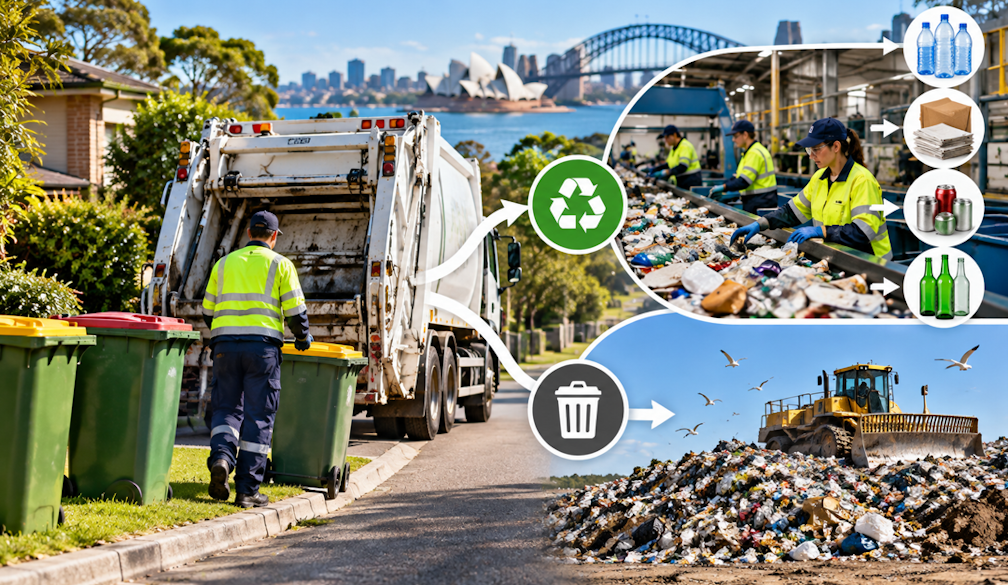
Most people book a rubbish removal, watch the truck drive off, and never think about it again. Fair enough too, that’s the whole point of the service. But it’s worth understanding what actually happens next, because Sydney’s waste system is a lot more layered than the simple picture of a truck heading straight to a hole in the ground.
The first stop isn’t landfill
Contrary to what a lot of people assume, rubbish collected from a Sydney home or business rarely goes straight to landfill. Most legitimate operators direct loads to a materials recovery or transfer facility first, where everything gets sorted before a final decision is made about where it ends up. This sorting stage is where the real diversion happens, separating timber, metal, cardboard, electronics and other recoverable material from genuine general waste.
What actually gets pulled out
Metal is one of the easiest wins in this process, since scrap steel, aluminium and copper have real resale value and get separated almost automatically. Timber, if it’s clean and untreated, often gets chipped down for mulch or repurposed in construction. Cardboard and paper go through standard recycling streams. Electronics, old TVs, computers, printers, get pulled aside for specialist e waste processing, since they contain materials like lead and mercury that need careful handling rather than a spot in general landfill.
Hazardous items get pulled aside early
Paints, chemicals, batteries and other hazardous materials get separated right at the start of the process rather than left to sort out later, since mixing them in with general waste creates real safety risks for the people doing the sorting. These get diverted to specific facilities equipped to handle them safely, which is one more reason proper sorting at the pickup stage matters so much.
Where furniture and white goods actually end up
Furniture in decent condition often gets a second life rather than being destroyed. Reputable removal operators keep an eye out for pieces worth donating or reselling, and fridges, washing machines and other white goods get sent through specific recovery streams where refrigerants are safely extracted before the metal shell gets recycled. This matters more than people realise, since refrigerant gases are a genuine environmental concern if they’re released carelessly rather than captured properly.
Green waste follows its own path
Garden waste, branches, grass clippings, old turf, generally gets treated completely separately from household rubbish. It’s usually taken to a dedicated green waste facility where it’s mulched or composted rather than sent anywhere near a landfill cell. This is one of the more successful diversion stories in Sydney’s waste system, since the vast majority of garden material collected across the city gets turned into something usable rather than buried.
So what does end up in landfill?
After sorting, what’s left is genuinely non recoverable material, contaminated items, broken items made of mixed materials that can’t be separated economically, and anything that simply has no viable recycling pathway yet. This residual waste goes to an EPA approved landfill facility, and it’s a smaller portion of the total than most people expect from a company doing its job properly. The gap between operators who sort properly and those who just tip everything into one bin at the end is bigger than most customers realise.
Why this matters when you’re choosing a provider
Not every rubbish removal company sorts with the same care. Some genuinely run recycling first processes, and others treat every job as a straight run to landfill because it’s faster and easier. If diverting waste from landfill matters to you, and for a lot of Sydney households it increasingly does, it’s worth asking a provider directly what happens to your load once it leaves your property. A residential rubbish removal team that can answer that question clearly is usually one that takes the sorting seriously rather than treating it as an afterthought.
The bigger picture for Sydney
Sydney’s landfill capacity is a genuine, ongoing concern, with several major sites facing real constraints on how much longer they can keep taking waste at current volumes. Every tonne diverted through proper sorting and recycling buys the city more time and reduces pressure on facilities that are already stretched. It’s not a dramatic headline, but the accumulated effect of households and businesses choosing operators who sort properly adds up over time.
Commercial and construction waste follows a different route
Household rubbish and construction waste rarely end up at the same facility. Building materials, bricks, concrete, timber offcuts, generally get processed at sites specifically licensed for construction and demolition waste, since the volumes and material types are so different from a typical household clean out. Concrete and bricks in particular have a strong recycling pathway, often getting crushed down and reused as road base or aggregate rather than taking up space in landfill at all. Office and commercial clean outs follow their own version of this, with things like old filing cabinets, whiteboards and IT equipment routed through streams built for that kind of material.
What a transfer station actually does
A transfer station is essentially the middle step between your kerb and the final destination, and it’s where most of the interesting sorting decisions get made. Trucks tip their loads onto a sorting floor, staff and machinery pull apart what can be separated, and everything gets redirected from there, some to recycling processors, some to specialist facilities for hazardous items, and the genuine leftover heading to landfill. Without this step, none of the recycling described earlier would be possible, since a truck arriving at a landfill gate with a mixed load has no way to separate anything at that point.
What you can do to help the process along
You don’t need to do the sorting yourself, but a few small habits make a real difference to how much ends up recycled. Keeping wet garden waste separate from general household items when possible, flagging electronics and hazardous items clearly when you book a pickup, and choosing an operator who’s upfront about where your rubbish goes all add up. None of this is complicated, but it’s the kind of thing that only happens when customers ask the question in the first place.
A quick guide worth bookmarking
For anyone wanting to understand which household items can be recycled locally and where specific materials should go, this breakdown of what can be recycled in Sydney and where to take it is a genuinely useful reference, covering everything from soft plastics to old paint tins in a way that’s easy to act on.
So the next time a truck pulls away with your unwanted furniture or a pile of garden clippings, know that a fair chunk of it is heading somewhere more useful than a landfill cell. The system isn’t perfect, but it’s a lot more thoughtful than the simple picture most people carry around in their heads.
