
Why Is Buy Now Pay Later So Popular With Gen Z?
Gen Z is reshaping how the world pays for things. From fashion drops to phone upgrades, this generation increasingly reaches for buy now pay later at checkout instead of swiping a credit card. Here's why BNPL has become the default payment method for millions of young consumers-and what both shoppers and businesses need to know about it.
Key Takeaways
- Gen Z in markets like Australia, the US, and the UK are driving rapid growth in the BNPL market because it offers interest free payments, budgeting control, and a digital-first experience that fits how they already shop online.
- Many Gen Z shoppers actively avoid traditional credit cards, making flexible payment options through providers like Afterpay, Klarna, Zip, and Affirm their preferred way to pay later.
- Interest free instalments and transparent fee structures are key reasons Gen Z trust BNPL providers more than banks and card issuers.
- BNPL is embedded across fashion, electronics, beauty, and everyday essentials. Merchants who offer these later payment options typically see higher conversion rates and larger basket sizes with younger customers.
- There are real risks: overspending, late fees, and emerging regulation mean both Gen Z users and businesses must use BNPL responsibly.
What Is Buy Now Pay Later & How Does It Work?
Buy now pay later is a short-term financing service that lets shoppers split purchases into smaller payments instead of paying everything upfront. Many BNPL services do not require hard credit checks, making them accessible to younger demographics who may not have established credit histories.
The most common structures Gen Z actually use include:
- Pay in 4: Four interest free payments over roughly six weeks (e.g. Afterpay)
- Monthly installments: 3–12 month plans, sometimes with interest (e.g. Affirm, Zip)
- Pay later in 30 days: A single deferred lump-sum payment (e.g. Klarna)
The process is straightforward. A customer selects a BNPL provider from the payment options at checkout, gets approved quickly through a soft check, pays the first instalment, and the remaining amounts are auto-deducted from their linked debit or credit card on a set payment schedule.
From the merchant side, BNPL providers pay retailers upfront for purchases, minus a small fee. The provider then collects the remaining instalments from the customer, which reduces financing risk for the merchant.
Compared to traditional credit cards, BNPL stands apart:
- No revolving balance
- Typically interest free if payment terms are met
- Smaller credit limits and shorter repayment windows
- A more mobile-first, app-driven user experience
Why Gen Z Has Embraced Buy Now Pay Later
Gen Z adults entered their spending years during a period of rising living costs and financial uncertainty. Many watched older generations struggle with credit card debt, which shaped a deep aversion to long-term, high-interest borrowing.
Interest free payments appeal directly to this mindset. Instead of accumulating a card balance, Gen Z prefers clear instalment schedules they can track in an app. BNPL allows consumers to make purchases they might otherwise avoid-like a needed tech upgrade or professional clothing-without taking on open-ended debt.
Digital-first behaviour plays a huge role. Gen Z spends significant time on smartphones and social platforms, and BNPL apps integrate seamlessly with mobile wallets, in-app shopping, and social commerce. The convenience of managing a payment plan from the same place they browse and shop is a natural fit.
Cash flow management matters too. BNPL lets Gen Z align fortnightly instalments with pay cycles, helping them split costs on fashion, tech, concert tickets, and even everyday essentials without a big upfront hit.
Social factors reinforce adoption. Influencers and peers normalise buy now pay later as a standard way to pay, with instalment messaging appearing on product pages, checkout screens, and TikTok and Instagram promotions. Flat, published late fees and clearly shown payment schedules feel more transparent to Gen Z than complex credit card interest formulas.
Popular Buy Now Pay Later Service Providers
Here are four notable BNPL providers that Gen Z and other consumers frequently use:
- Afterpay – A leading BNPL service in Australia and globally, known for its "pay in 4" interest-free installments.
- Klarna – Offers flexible payment options including pay later in 30 days and monthly installments.
- Zip – Provides both short-term and longer-term installment plans, popular for online and in-store purchases.
- Layby Online Australia – A local Australian BNPL provider offering layby and installment payment solutions tailored for Australian shoppers.
Layby Shop Australia offers an innovative approach to buy now pay later options, allowing shoppers to reserve products with manageable instalments over time. This method gives consumers more control and transparency, making it easier to budget for purchases while still enjoying the convenience of BNPL services. It’s a fresh option for Australians looking to balance spending and saving effectively.
Including these options at checkout gives consumers more flexibility and choice in managing their payments effectively.
Gen Z, Credit Cards, and the Shift Toward Flexible Payment Options
Gen Z is reshaping the payments landscape by choosing flexible payment options over traditional credit. Gen Z uses BNPL more than credit cards, a trend confirmed across Australia, the US, and Europe.
The reasons are straightforward:
- Having seen older generations carry high-interest debt, many Gen Z consumers associate cards with long-term financial stress
- BNPL feels more like a budgeting tool than "credit"-short repayment windows, smaller ticket sizes, and clear end-dates for obligations
- The sign-up process for BNPL (soft checks, instant decisions) is less intimidating than formal card applications with hard credit pulls and credit card information requirements
BNPL often integrates with debit cards and digital wallets like Apple Pay, aligning with Gen Z's preference to spend money they can see in their account, even while using pay later structures.
For merchants and any e commerce business, this matters. BNPL can reduce cart abandonment rates for online retailers. Offering options beyond cards from day one captures new customers who might otherwise leave when card-only payment options are presented.
How BNPL Fits Into Gen Z's Everyday Spending
BNPL has expanded well beyond occasional big-ticket purchases into categories Gen Z shops regularly: fashion, sneakers, beauty, health and wellness, and consumer electronics. In Australia, for example, BNPL already accounts for a significant share of online spend in these categories.
Typical use cases include splitting the cost of a $300 smartphone upgrade into four interest free payments, using pay later options for festival tickets, or smoothing out the cost of workwear and education-related tech.
Later payment options influence behaviour directly. By making a $120 purchase feel like four $30 payments, Gen Z shoppers may add extra items to their carts. BNPL can lead to higher average order values for retailers, and businesses integrating BNPL can increase overall sales volume and drive more sales.
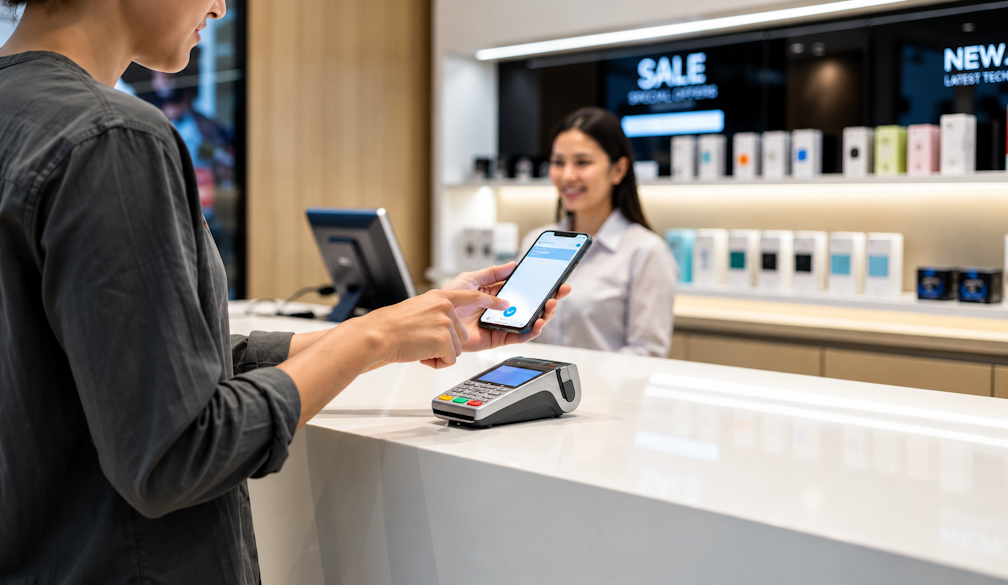
Gen Z also uses BNPL omnichannel-both online and in store via apps and virtual cards-choosing the same interest free payments at terminals as they would at an e commerce checkout site. Many BNPL apps double as discovery platforms with curated brands, deals, and loyalty rewards, reinforcing engagement and repeat transactions among younger customers.
Benefits and Risks of BNPL for Gen Z
BNPL can be a smart way for Gen Z to manage cash flow, but it can also become a financial trap if overused. The subject deserves honest treatment.
Benefits:
- Interest free payments when paid on time, with predictable instalments
- Ability to align payments with paydays for smoother budgeting
- No need for a high-limit credit card-BNPL is an accessible entry-level credit experience that can build financial confidence
- Merchants offering options like these see clients convert at higher rates
Risks:
- Buy now, pay later can encourage overspending and impulse buying because splitting costs makes spending feel smaller than it is
- Missing payments may trigger steep late fees, and fees can accumulate even if no interest is charged on a BNPL plan
- One in five BNPL users miss installments and incur late fees
- Using multiple BNPL services can lead to difficulties in tracking repayments, especially when overlapping instalments cluster around the same due dates
- Complicated returns and refunds can occur with BNPL transactions, leaving consumers waiting for money to be credited back
- In some regions, repeated missed late payments can be reported to credit bureaus, affecting future borrowing for car loans or rentals
Practical guidance: Limit active plans, track upcoming instalments via apps or calendars, avoid using BNPL for essentials when budgets are already stretched, and always read the payment terms before accepting any pay later agreement.
The BNPL Market: Providers, Regulation, and What Comes Next
The BNPL market has grown rapidly through the mid-2020s, led by trusted providers like Afterpay, Klarna, Zip, Affirm, and regional players. Younger demographics are particularly attracted to BNPL options, and this adoption has fuelled a technology-driven shift across the payments industry. Integrating BNPL is now part of broader digital transformation for businesses looking to sell to Gen Z.
BNPL providers make money primarily through merchant fees and late fees, while still advertising interest free structures to consumers. In Australia, Afterpay accounts for 73% of all BNPL transactions, and eight BNPL providers control 95% of the Australian market. A voluntary code of conduct for BNPL providers began in March 2021, though historically BNPL providers are not regulated under the National Credit Code-this is changing.
BNPL services are under increasing global regulatory scrutiny:
|
Region |
Status |
|
Australia |
BNPL providers must now hold credit licences; compliance with responsible lending laws requires suitability and credit assessments |
|
UK |
From July 2026, BNPL is regulated by the FCA with affordability checks and clearer disclosures |
|
US |
The CFPB is considering rules around transparency, credit reporting, and consumer protections |
|
South Korea |
Regulatory frameworks for BNPL and instalment services continue to evolve |
Stronger regulation aims to protect younger users with limited financial literacy while preserving the premium services and flexible payment options Gen Z clearly values. For any company or merchant, the process is clear: communicate BNPL terms on product pages and at checkout, choose reputable BNPL providers, and manage refund and dispute flows so customers have a smooth experience.
Looking ahead, expect BNPL to evolve into broader "pay over time" ecosystems with subscriptions, savings tools, and financial education features designed for Gen Z consumers.
What Is Buy Now Pay Later & How Does It Work?
Buy now pay later is a short-term financing service that lets shoppers split purchases into smaller payments instead of paying everything upfront. Many BNPL services do not require hard credit checks, making them accessible to younger demographics who may not have established credit histories.
The most common structures Gen Z actually use include:
- Pay in 4: Four interest free payments over roughly six weeks (e.g. Afterpay)
- Monthly installments: 312 month plans, sometimes with interest (e.g. Affirm, Zip)
- Pay later in 30 days: A single deferred lump-sum payment (e.g. Klarna)
The process is straightforward. A customer selects a BNPL provider from the payment options at checkout, gets approved quickly through a soft check, pays the first instalment, and the remaining amounts are auto-deducted from their linked debit or credit card on a set payment schedule.
From the merchant side, BNPL providers pay retailers upfront for purchases, minus a small fee. The provider then collects the remaining instalments from the customer, which reduces financing risk for the merchant.
Compared to traditional credit cards, BNPL stands apart:
- No revolving balance
- Typically interest free if payment terms are met
- Smaller credit limits and shorter repayment windows
- A more mobile-first, app-driven user experience
Why Gen Z Has Embraced Buy Now Pay Later
Gen Z adults entered their spending years during a period of rising living costs and financial uncertainty. Many watched older generations struggle with credit card debt, which shaped a deep aversion to long-term, high-interest borrowing.
Interest free payments appeal directly to this mindset. Instead of accumulating a card balance, Gen Z prefers clear instalment schedules they can track in an app. BNPL allows consumers to make purchases they might otherwise avoid-like a needed tech upgrade or professional clothing-without taking on open-ended debt.
Digital-first behaviour plays a huge role. Gen Z spends significant time on smartphones and social platforms, and BNPL apps integrate seamlessly with mobile wallets, in-app shopping, and social commerce. The convenience of managing a payment plan from the same place they browse and shop is a natural fit.
Cash flow management matters too. BNPL lets Gen Z align fortnightly instalments with pay cycles, helping them split costs on fashion, tech, concert tickets, and even everyday essentials without a big upfront hit.
Social factors reinforce adoption. Influencers and peers normalise buy now pay later as a standard way to pay, with instalment messaging appearing on product pages, checkout screens, and TikTok and Instagram promotions. Flat, published late fees and clearly shown payment schedules feel more transparent to Gen Z than complex credit card interest formulas.
