
How Headless CMS Supports Dynamic Marketing Experiences Across Devices
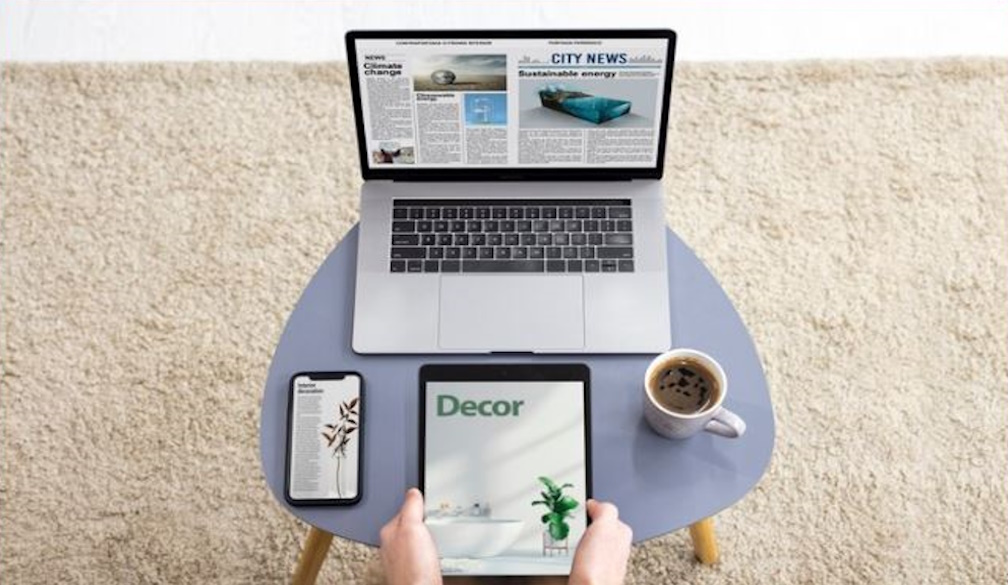
Digital marketing experiences now happen across many devices. A customer may discover a brand on a smartphone, continue researching on a laptop, open an email on a tablet, and later return through an app or customer portal. Each device creates a different context for engagement. A mobile user may want fast, simple information, while a desktop user may be ready to compare details, explore resources, or complete a form. Because of this, marketing teams need content that can adapt across devices without becoming inconsistent or difficult to manage.
A headless CMS supports dynamic marketing experiences by separating content from presentation. Instead of locking content into one website layout or one device-specific format, a headless CMS stores content in a structured way and delivers it through APIs to different front-end experiences. This allows teams to reuse the same approved content across websites, apps, landing pages, emails, portals, digital campaigns, and mobile experiences. The content remains consistent, but the way it appears can change based on the device, channel, audience, and context. For modern marketing teams, this creates a more flexible foundation for delivering relevant and high-quality experiences everywhere customers engage.
Creating Device-Independent Content
One of the strongest advantages of a headless CMS is that it allows content to exist independently from any single device or layout. Why developers prefer headless CMS becomes clear when teams need the freedom to deliver the same structured content across different front-end experiences without being limited by one fixed presentation layer. In traditional systems, content is often created for one specific web page structure. This can make it harder to reuse the same content in a mobile app, email experience, digital campaign, or customer portal. When content is tied too closely to presentation, every new device or channel can require extra formatting, rebuilding, or manual adaptation.
A headless CMS solves this by managing content as structured data. Headlines, summaries, product descriptions, calls to action, testimonials, campaign messages, and supporting content can all be stored separately from the design layer. This means the same content can be delivered to a desktop website, mobile landing page, app screen, or tablet experience while being displayed in the best format for that device.
This device-independent approach helps marketing teams work more efficiently. They do not need to recreate the same message for every screen. Instead, they can manage one content foundation and let different front-end experiences present that content appropriately. This makes digital marketing more flexible, consistent, and easier to scale.
Delivering Responsive Experiences Across Screens
Different devices require different user experiences. A desktop visitor may be comfortable reading longer sections, comparing detailed product information, or exploring several resources at once. A mobile visitor often needs a faster and more focused experience, with clear messaging, simple navigation, and easy calls to action. If the same rigid layout is forced across every device, the experience can feel awkward or frustrating.
A headless CMS helps deliver responsive experiences by separating content from how it is displayed. Front-end teams can design device-specific layouts while pulling from the same structured content source. A long product explanation may appear as a full section on desktop, a shorter summary on mobile, and an interactive card on tablet. The content remains connected, but the presentation adapts to the screen.
This improves marketing performance because users receive content in a format that fits their situation. They can find information quickly, understand the message clearly, and take action without unnecessary friction. For marketing teams, responsive delivery also reduces duplicated work. Content does not need to be manually rewritten for every screen size because the system is designed to adapt.
Supporting Consistent Messaging Across Devices
Consistency is essential when customers move between devices. A buyer may first see a campaign on their phone, later visit the website from a desktop, and then open a follow-up email on a tablet. If the message changes too much between these experiences, the journey can feel disconnected. Inconsistent content can weaken trust and make the brand harder to understand.
A headless CMS supports consistency by allowing marketing teams to manage approved content centrally. Core campaign messages, product descriptions, value propositions, customer proof points, and calls to action can be reused across device-specific experiences. Each device can present the content differently, but the underlying message remains the same. This helps create a more unified customer journey.
This consistency is especially valuable for campaigns that run across many channels at once. A customer should recognize the same value story whether they are viewing a landing page on mobile or reading a product page on desktop. A headless CMS makes this easier by ensuring that every experience draws from the same content foundation. The result is a clearer, more professional, and more reliable marketing journey.
Making Mobile Marketing Experiences More Effective
Mobile devices are often the first point of contact between a customer and a brand. People open emails, click ads, search for information, compare products, and interact with social content from their phones. If a marketing experience does not work well on mobile, the customer may leave before engaging further. This makes mobile optimization a core part of modern marketing.
A headless CMS supports mobile marketing by allowing content to be delivered in mobile-friendly formats. Instead of forcing desktop content into a smaller screen, teams can structure content so that the most important information appears first. Short summaries, clear headlines, compact calls to action, and simplified content sections can all be delivered based on the needs of mobile users.
This creates a better mobile experience without requiring a completely separate content strategy. Marketing teams can use the same approved content foundation while adapting the display for mobile behavior. A product message can be shortened, a visual module can be resized, and a form prompt can be simplified. This helps mobile users engage faster and makes it easier for brands to convert attention into meaningful action.
Enabling Personalized Experiences by Device Context
Device choice can reveal useful context about the customer’s behavior. A mobile visitor may be browsing quickly or responding to a campaign message in the moment. A desktop visitor may be spending more time researching, comparing options, or completing a more detailed action. A tablet user may be reviewing content in a more visual or presentation-based format. Marketing experiences become stronger when they can adapt to these different contexts.
A headless CMS enables personalization by allowing content to be structured and delivered based on context. Teams can create different content modules for different devices, audiences, funnel stages, or campaign journeys. A mobile user may see a shorter product explanation and a quick call to action, while a desktop user may see deeper comparison content and supporting resources. The message remains connected, but the experience becomes more relevant.
This type of personalization helps reduce friction. Customers do not have to work through content that feels poorly suited to their device. Instead, they receive information in a way that matches how they are likely to engage. A headless CMS makes this more manageable because teams can create adaptive content structures rather than building separate experiences from scratch.
Improving Campaign Delivery Across Devices
Marketing campaigns often need to reach customers across multiple devices at the same time. A campaign may include ads, landing pages, emails, resource hubs, product pages, and app experiences. Customers may interact with these assets from different screens throughout the campaign journey. If campaign content is managed separately for each device or channel, execution can become slow and inconsistent.
A headless CMS improves campaign delivery by allowing campaign content to be created once and distributed across device-specific experiences. Campaign headlines, benefit statements, promotional messages, customer proof, and calls to action can be stored as reusable components. These components can then power desktop landing pages, mobile campaign pages, email snippets, and in-app messages.
This makes campaigns easier to launch and maintain. If a message needs to change during the campaign, teams can update the content centrally and deliver the revised version across connected touchpoints. This reduces manual work and helps ensure that customers receive consistent information regardless of device. For fast-moving campaigns, this flexibility can make a significant difference in execution speed and content quality.
Supporting App, Website, and Portal Experiences From One Source
Many businesses now manage more than just a website. They may also have mobile apps, customer portals, partner platforms, resource hubs, and personalized campaign environments. Each of these experiences needs content, but managing content separately for each one creates duplication and increases maintenance work. It can also make the customer journey feel inconsistent.
A headless CMS allows teams to support apps, websites, and portals from one content source. Since content is delivered through APIs, it can be used in different digital environments without being tied to one specific front end. A product update can appear on a website, inside an app, and within a customer portal while still being managed centrally. A campaign message can support both a desktop landing page and a mobile app notification.
This creates a more connected digital ecosystem. Customers receive aligned content across the platforms they use, while internal teams manage fewer duplicated assets. For marketing teams, this means content can move wherever the customer journey requires it. A headless CMS makes multi-platform marketing easier by giving every experience access to the same structured content foundation.
Reducing Manual Work Across Device-Specific Content
Without a flexible content system, teams may need to create different versions of the same content for different devices. A desktop page may need one version, a mobile page another, an app another, and an email another. This can quickly become inefficient. It also creates more opportunities for errors, especially when product details, campaign messages, or calls to action change.
A headless CMS reduces manual work by turning content into reusable modules. Teams can create structured versions of content that can be adapted automatically or selectively for different devices. Instead of rewriting a product description three times, they can create a main description, a short summary, and a compact mobile version within the same content model. Each front-end experience can then use the version that fits best.
This makes content production more efficient. Marketers spend less time copying, pasting, and reformatting content. They can focus more on improving the message and understanding the audience. Reducing manual work also improves consistency because fewer disconnected versions exist. A headless CMS helps teams manage device-specific content needs without creating unnecessary operational complexity.
Conclusion
Headless CMS supports dynamic marketing experiences across devices by giving businesses a flexible and structured way to manage and deliver content. Customers now move between smartphones, desktops, tablets, apps, portals, and other digital touchpoints throughout their journey. Marketing content needs to remain consistent, accurate, and relevant while adapting to each device’s format and user behavior. A headless CMS makes this possible by separating content from presentation and delivering it through APIs.
The benefits are clear across the entire marketing operation. Teams can create device-independent content, support responsive layouts, improve mobile experiences, personalize based on context, manage campaigns across devices, and keep content updated in real time. They can also reduce manual work, support accessibility, improve performance, and experiment more easily across different screens.
As digital marketing becomes more dynamic, businesses need content systems that can keep up with changing devices and customer expectations. A headless CMS provides the foundation for this adaptability. It helps marketing teams deliver experiences that feel connected across every screen while still giving each device the content format it needs. This creates stronger customer journeys, better internal efficiency, and a more scalable approach to modern digital marketing.
