

How Headless CMS Enables Seamless Omnichannel Marketing: Unifying Experiences Across Every Touchpoint
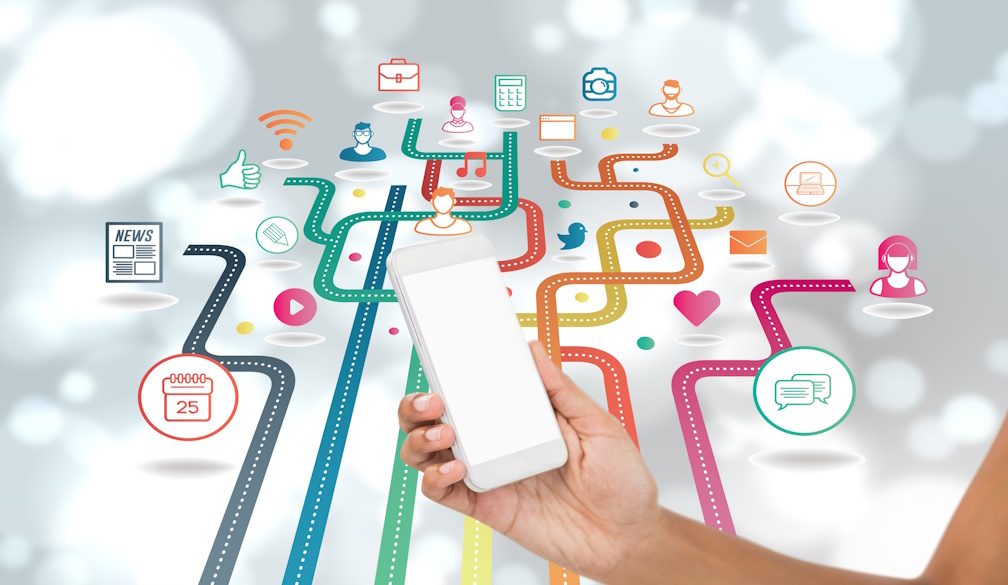
Consumers no longer think in terms of channels. They transition from a website to a mobile app to a social media platform, an email promotion, and then to a brick-and-mortar store. To them, it's all part of one continuous relationship. For marketers, though, ensuring that a consistent message plays the same role from channel to channel in a highly fragmented marketplace is not easy.
Effective omnichannel marketing is more than just a creative component. It requires a content architecture that allows for consistent messaging across channels but also contextualizes that same messaging to each point's unique situation. Channel-specific CMS solutions lack the technological support for such nuanced orchestration; they're literally bound to their own templates. Headless CMS structures offer more of a scalable solution. By decoupling the delivery and presentation system of content from the creation and storing side, headless systems break down silos between channels and provide structured data through APIs that allow for omnipresent yet contextualized marketing experiences across any digital touchpoint.
Decoupling Content from Channel Constraints
The foundation of effective omnichannel marketing is decoupling. In the traditional CMS world, content is coupled with website templates and front-end displays. Little flexibility exists to avoid duplicating assets that may need to exist in an app, email, or even through social media. Headless CMS for enterprise scalability solves this by separating content from presentation, enabling structured assets to be reused seamlessly across all channels.
Headless CMS solutions decouple content and front-end layers; it allows for distribution of structured content from the back-end through an API to whatever needs it. This means that the same wording, title, image, etc. can be used across channels without ever having to duplicate the effort to create it somewhere else.
Decoupling means that marketers are no longer confined to one approach or channel; they get free reign to use approved assets everywhere. Thus, if something changes from a price point to a turnaround time for services it adjusts everywhere instantly, ensuring a unified omnichannel approach.
Creating a Single Source of Truth for Marketing Assets
As omnichannel relies on consistency, messaging that strays from one platform to another creates brand distrust. A headless CMS becomes a library of in-house approved assets.
Certain structured content models dictate where reusable components live from value propositions to promotional offers to testimonials to calls to action and are distributed across the system dynamically. This means once something is pushed live, it works everywhere; once something updates, it updates where it was previously used and never has to be uploaded twice.
This single source of truth allows for operators to avoid duplicates and facilitates ease of access without having to figure out which content version is the real one. The more cohesive and clear it becomes with the digital transformation efforts, the stronger the brand message becomes.
Allowing for Contextual Distribution Across Devices
However, while consistency is critical, omnichannel has to allow for contextual relevance because the messaging on a desktop website is not the same as what's practical on a mobile screen or wearable device.
Headless CMS solutions support such flexibility. Since modular content pieces can be pieced differently depending on context, concise summaries may show up on a smartphone interface but longer explanations may come through for tablets or desktops which have more visual space available.
This makes for a fluid experience without losing credibility; content is consistent enough but presented with freedom through channel limitations.
Connecting to Marketing Automation/CRM Systems
Omnichannel marketing is made possible through marketing automation platforms and customer relationship management systems. These systems need constant content generation to create personalized campaigns through email, SMS, and in-app messaging.
Headless CMS integrates with these systems via APIs so that automation can pull structured content from the source. Because personalized content is the same as what's on the website and app, consistency remains.
This is one way in which developers and marketers alike create a unified system. The customer receives the same messaging whether they interact via SMS or the app, and marketing only needs to worry about structured content created once. Automation is a logical extension instead of another system altogether.
Campaign Synchronization in Real Time
Launching a campaign through multiple channels means there should be no delay in messaging. If one platform is delayed from another, the momentum created through launching a campaign might wane before the appropriate message is finally delivered.
Headless CMS architecture allows for campaign synchronization in real-time. Since deployment is decentralized, when something changes in one campaign module, everything else connected to it can get updated in real-time.
This allows marketing agencies to schedule omnichannel campaigns and know that if they have the right access to their CMS features, everything will launch simultaneously in real-time to prevent discrepancies.
Personalization at Every Stage
Personalization is critical to customer engagement; however, without integrated content management, personalized messaging and content become fragmented between channels. This fragmentation creates a new challenge: separate logic for segmentation on the website, then on mobile, then on email.
Headless CMS provides dynamic capabilities for personalization. Since structures are modular and can be turned on or off depending on usage, segmentation rules can apply to web use and act the same way mobile and email wise.
Consistency is key with personalization across channels, and since the same system governs the choices, there is no guesswork. If a user learns something on one platform/channel, it seamlessly transfers to another without communication barriers.
Better Analytics and Cross-Channel Attribution
To understand the value of omnichannel marketing, transparency is necessary for consistent tracking and attribution efforts across platforms. Any break in content systems complicates attribution and raises the risk of disparate identifiers.
Headless CMS systems maintain consistent mapping and structurized identifiers between channels, so tracking performance is more accessible. Analytics systems link traffic and engagement numbers to specific modules no matter where they're placed.
This increased transparency allows marketers to better understand how and why certain content is successful in contributing to conversions at various touchpoints, which helps refine strategies moving forward.
Reinforcing Future Digital Touchpoints
Connected ecosystems continue to expand in an ever-digitalizing age, with voice-integrated touchpoints, connected devices, and immersive experiences dominating the landscape. Continued support requires a flexible system for the content architecture.
Headless CMS solutions future-proof experience by maintaining content as data outside of channels with flexible modules to avoid duplication. New digital interfaces connect through APIs to automatically access structured modules without redundancy.
This approach ensures that omnichannel solutions are scalable whenever ecosystems inevitably grow. Structurized data avoids a piecemeal process that could undermine consistency in the long run as more diverse channels enter the market.
Simplifying Global Omnichannel Efforts
For global organizations, omnichannel experiences extend to channels and regions. Compounded by multiple languages and cultural preferences, maintaining consistency is difficult.
Headless CMS solutions maintain a centralized approach to global messaging while still offering localized fields within structured models that apply. Through API distribution, regionally specific updates occur across channels seamlessly.
This scalability facilitates global consistency. Instead of multiple systems to maintain a singular message, marketing teams can deliver culturally appropriate experiences without extended fragmentation.
Facilitating Customer Experiences Across Digital and In-Person Touchpoints
Omnichannel marketing isn't just for the digital realm. Customers might conduct research on the web, engage with social media and go in-store to complete purchases. Thus, messaging across digital and in-person channels must align which means centralized governance of all content.
Headless CMS systems facilitate structured content modules to fuel online and offline experiences. Promotion copy, product descriptions and campaign stories are created and delivered once, subsequently used in different formats. Digital dissemination comes via APIs while structured exports benefit in-person collateral like point-of-sale signage or printed brochures.
This facilitation fosters brand consistency. Customers see the same stories in different places. With a structure in place, marketing information across the in-person/digital divide remains the same to foster trust and recognition.
Maintaining Identifiers to Avoid Fragmented Experiences
Another challenge of omnichannel marketing is sustaining consistency across gaps in time. A user might engage with a marketing prompt on their mobile phone and a few hours later, switch to their desktop to further engage with that same company. Without consistent identifiers, it's difficult to communicate continued messaging across differing engagement points.
Headless CMS systems maintain structured identifiers that move with the content. Whether a user is on their phone, desktop, tablet, or any other connected device, the same promotional block or product spotlight is recognized within the ecosystem.
Persistent identifiers assure that omnichannel experiences aren't fragmented. Consistent messaging makes users feel as if they're consistently talking to the same brand rather than different iterations of the same promotional opportunity.
Enabling Content Without Structural Rebuilding for New Channels
New marketing channels emerge all the time. New platforms, new social media networks, new connected devices. These opportunities increase omnichannel possibilities but systems requiring major structural adjustments to access new touchpoints lag behind.
Headless systems eliminate this frustration. As content is stored independently and accessed through APIs, new channels need to be connected to the established repository, not rebuilt. Structured modules automatically adjust for new layers of presentation.
This promotes omnichannel integration. Organizations must respond quickly to technological changes without sacrificing structural integrity. New channels become a natural extension of any structured content system.
Unified Performance Dashboards Across Channels
The effectiveness of omnichannel endeavors is predicated upon complete visibility. Fragmented content systems create disconnected analytics, making it difficult to assess the return on investment and performance across all the channels' efforts.
Headless CMS empowers unified dashboards by providing the same identifiers across systems. Analytics platforms pull in information relative to the structured modules that indicate how users engage and convert across various touchpoints.
Such a dashboard creates an empowered status for the marketing director as trends can be recognized, and time and energy can be better spent directing resources in one avenue versus another. Instead of simply providing metrics per channel, reports are assessed holistically. Instead of viewing these efforts as separate but connected, the structured architecture makes omnichannel marketing one effort with one set of logical goals.
Governance and Compliance Across Disparate Channels
The more systems grow, the harder it is to keep everything governed. Various channels can have different compliance needs, content limitations, or region-based governance. What may get fixed in one channel by a compliance auditor may not be rectified in time in another.
The headless CMS architecture governs at the content level. The structured modules allow compliance verbiage to be defined within the headless CMS and sent to any supporting channel. When regulations change, the compliance statements can automatically update through all systems instead of having each marketer make manual changes on their end.
This empowered governance brings operational stability. Regardless of how far teams expand across channels, there's no question about compliance or standards. With systematic aspects controlled, it's easy to empower innovation without worrying about any pitfalls.
Long-Term Omnichannel Scalability Through Structured Architecture
Effective omnichannel marketing hinges upon the ability for structural components to scale without redundancies. Whether adding new campaigns, regions, or devices, unstructured systems become increasingly complex to maintain over time. Duplicated content, similar updates across portals and silos with no recognition for native workflows reduce any potential long-term efficiency.
Headless CMS platforms provide a structural architecture designed for scalability. With modular components of content, persistent identifiers and API-distributed aspects, it's easy to add new channels without too much thought or effort; instead, previous connections support this growth.
These systems make omnichannel marketing a long-term investment because they eliminate duplicity across time. With built-in structure, organizations can expand what they have without starting from scratch each time. It's a durable perspective that increases efficiency over time.
Conclusion
Seemless omnichannel marketing goes beyond creative alignment to a need for structured, adaptive content architecture. Headless CMS systems create this structure by separating content from display and centralizing repositories and distributed, contextual engagement across channels.
With a modular approach, updates made in real-time across all networks, and analytics at the forefront of engaged decision making, organizations create consistent and relevant experiences at any and every touch point. As the digital ecosystem grows, structured systems make this an effective marketing approach.
In an increasingly omnichannel landscape where customers expect things to be interconnected, this means that headless CMS gives brands the opportunity to engage in unified messaging, personalized relationships, and expansion without worrying about disconnected efforts.


