

What a Personal Shopper Actually Does (And What They Don’t)
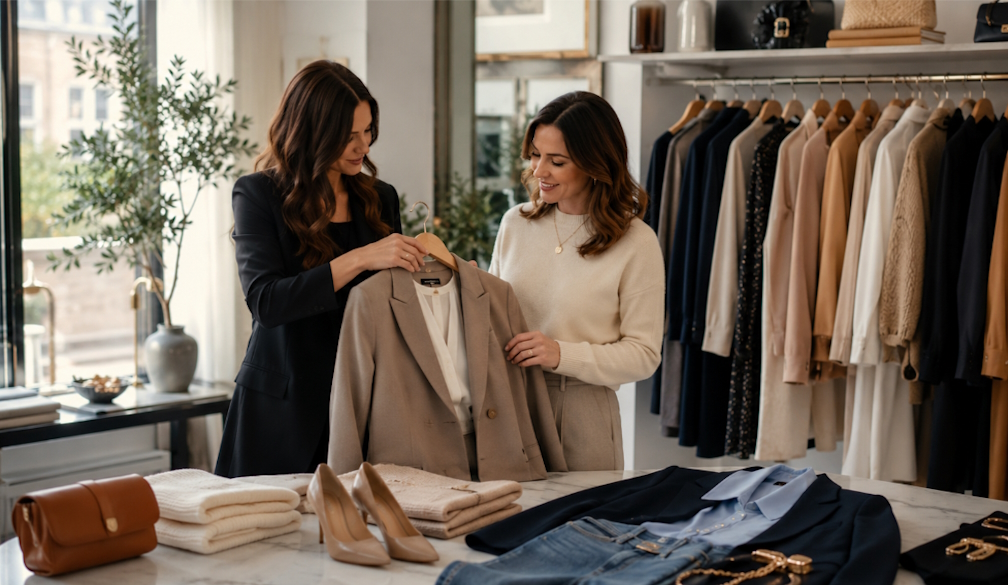
“Personal shopper” can sound like someone who simply buys clothes for you, but the best version of the service is closer to problem-solving. A good personal shopper or stylist reduces the friction between what you need your wardrobe to do and what you actually reach for each morning. That might mean fewer purchases overall, better fit decisions, or a clearer sense of what works so you stop wasting money on “almost right” pieces.
In that context, personal shopper and stylist services is a useful phrase because it captures the overlap people are often looking for: not just shopping, not just styling, but a guided approach that connects the two.
What a personal shopper does in practice
Most of the value happens before anyone steps into a store or adds an item to a cart. The shopping is the visible part, but it’s usually not the starting point.
1) Clarifies your goals and constraints
A professional will ask questions that shape decisions quickly: what you do day-to-day, what you want to feel like in your clothes, what settings you dress for, and what you dislike. They also factor in constraints you may not name upfront, like sensory comfort, climate, grooming habits, and how much effort you want to spend getting dressed.
2) Builds a plan instead of chasing random outfits
Instead of buying “one good jacket,” a personal shopper typically thinks in systems: outfits that can be repeated and remixed. The plan might include a colour palette, a few silhouettes that flatter your body, and a list of gaps that actually matter.
3) Makes fit and proportion easier
Fit is where most wardrobes succeed or fail. A personal shopper will usually guide you on the parts that are hard to judge in a mirror: shoulder fit, sleeve length, trouser rise, jacket balance, and how different fabrics drape. They can also recommend when tailoring is worth it and when it’s smarter to choose a different size or cut.
4) Curates options and reduces decision fatigue
Many people don’t struggle with taste so much as volume. Too many choices lead to impulsive buys or paralysis. A personal shopper narrows the field, pre-selects pieces, and keeps you focused on what supports the wardrobe plan rather than what looks exciting in isolation.
5) Helps you learn repeatable rules
Even if you never hire a stylist again, the best services leave you with practical understanding: which collar shapes suit you, which trouser widths feel balanced, what knit weights work in your climate, and how to combine pieces without guessing.
What a stylist does that isn’t “shopping”
Some professionals are more styling-led than shopping-led, and that can be exactly what someone needs.
A stylist often focuses on:
- outfit formulas for work, weekends, and events
- colour coordination and contrast
- refining shoes, belts, and outerwear that “finish” a look
- creating consistency so you don’t feel like different people in different settings
Styling can also be about removing friction. If you own plenty of clothes but struggle to put outfits together, the solution may be better combinations, not more purchases.
What personal shoppers don’t do
Understanding the limits helps prevent disappointment and keeps the relationship practical.
They don’t guarantee a new identity
A good service shouldn’t try to turn you into someone else. You can look sharper, more modern, or more confident, but your comfort level and preferences still matter. If you hate rigid shirts, you can still dress well without them.
They don’t replace tailoring
Tailoring and styling are complementary. A personal shopper can suggest what to tailor and how it should sit, but they aren’t the person doing alterations. Also, some garments simply aren’t worth tailoring because the proportions are wrong from the start.
They don’t make every purchase “perfect”
Even with guidance, you might try things that don’t work. The aim is to reduce costly mistakes and speed up what works, not to eliminate trial entirely.
They don’t operate as a one-size-fits-all trend filter
Following trends is optional. Many people need basics that fit properly before they need anything fashionable. A professional can incorporate trends, but their real job is making the wardrobe useful.
When hiring help makes the most sense
Personal shopping and styling is most useful when you’re facing a change or a recurring frustration, such as:
- a new job or role that changes how you present yourself
- weight change or fit issues that make the current wardrobe unreliable
- too many clothes, but “nothing to wear” because pieces don’t coordinate
- frequent events that require dress codes you find confusing
- a desire to simplify and stop impulse buying
It can also be valuable if you want a faster path to a functional wardrobe without spending months researching brands, fits, and fabrics.
What to expect from a good process
While services differ, a high-quality experience often follows a clear arc:
- Wardrobe understanding (your lifestyle, preferences, constraints)
- Edit and gap identification (keep, tailor, replace, add)
- Targeted shopping (pieces that solve specific gaps)
- Outfit building (how to wear items together)
- A repeatable system (so you can maintain it)
If you walk away with fewer “maybe” items and more outfits that feel like easy defaults, the service has done what it’s meant to do.


