


Why Kwikstage Scaffolding Is Widely Used in Construction Projects
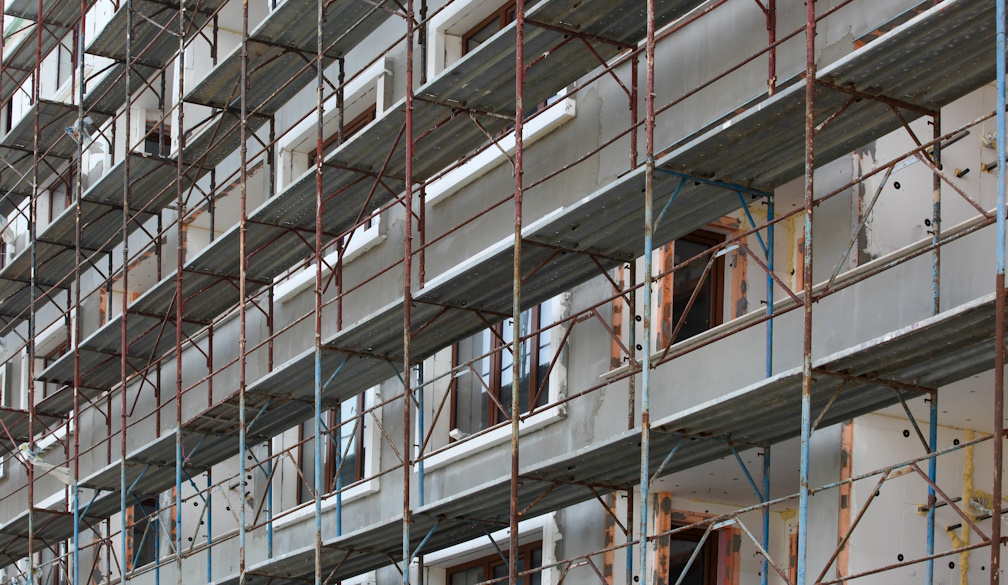
In construction environments where safety, flexibility, and speed are critical, kwikstage scaffolding has become one of the most commonly used systems. Known for its modular design and ease of assembly, this type of scaffolding allows workers to create stable platforms quickly while maintaining compliance with safety standards. Its adaptability makes it suitable for projects of varying size and complexity.
Kwikstage scaffolding is designed to support multiple working levels and heavy loads without compromising stability. The system uses standardised components that lock securely into place, creating a reliable structure that can be adjusted as work progresses. This versatility helps contractors maintain efficiency while ensuring safe access to elevated areas.
Why Residential Scaffolding Is Essential for Safe Home Projects
For housing projects and renovations, residential scaffolding plays a vital role in providing safe and controlled access around homes. Whether used for roof repairs, painting, extensions, or exterior maintenance, residential scaffolding allows tradespeople to work at height with greater confidence and stability than ladders alone.
Residential scaffolding is designed to fit around existing structures without causing damage. Its configuration supports safe movement, secure footing, and proper load distribution, which is especially important in occupied or tight residential environments.
Supporting Safety at Height
Working at height introduces inherent risks, particularly on construction and renovation sites. Proper scaffolding systems reduce these risks by providing stable platforms and guardrails that protect workers from falls.
Kwikstage and residential scaffolding both support compliance with safety regulations. By offering controlled access and secure working surfaces, they help minimise accidents and create safer job sites for workers and occupants alike.
Efficiency in Installation and Adjustment
Time efficiency is critical in construction projects. Kwikstage scaffolding systems are designed for quick assembly and dismantling, reducing downtime between project stages. Components can be added or removed easily as work requirements change.
Residential scaffolding also benefits from efficient setup. Its modular design allows it to adapt to different building shapes and heights, ensuring that work can proceed without unnecessary delays.
Stability and Load Bearing Performance
Scaffolding must support not only workers but also tools and materials. Kwikstage scaffolding is engineered to handle significant loads while maintaining structural integrity. This strength allows multiple trades to operate simultaneously at different levels.
In residential settings, stable load-bearing platforms improve productivity. Tradespeople can move materials safely without repeated climbs or unsafe balancing, reducing fatigue and improving workflow.
Adaptability Across Project Types
Kwikstage scaffolding is widely used across commercial, industrial, and infrastructure projects due to its adaptable design. It can be configured for straight façades, corners, and varying heights with minimal adjustment.
Residential scaffolding is equally adaptable but scaled to suit domestic environments. It supports work on single-storey and multi-storey homes, renovations, and extensions, fitting seamlessly into confined spaces.
Improving Work Quality and Precision
Stable access platforms allow workers to focus on the quality of their work rather than maintaining balance. With proper scaffolding in place, tasks such as bricklaying, painting, cladding, and roofing can be completed more accurately.
Improved access also supports better inspection and finishing. Workers can reach difficult areas comfortably, ensuring consistent workmanship across all sections of a structure.
Reducing Physical Strain on Workers
Repeated ladder use can increase physical strain and fatigue. Scaffolding provides continuous platforms that allow workers to move freely without constant climbing.
Reduced strain leads to better concentration and fewer injuries. Over the course of a project, this contributes to improved productivity and overall worker wellbeing.
Supporting Compliance and Site Management
Construction regulations often require proper access systems for working at height. Using appropriate scaffolding helps ensure compliance with workplace health and safety requirements.
Clear scaffolding layouts also improve site organisation. Defined access points and working levels support better coordination between trades and reduce congestion on site.
Cost Efficiency Over Project Duration
While scaffolding represents an upfront cost, it often results in long-term savings. Improved efficiency, reduced accidents, and higher work quality all contribute to lower overall project costs.
Residential scaffolding also protects property by reducing the risk of damage during construction or maintenance. This protection helps avoid additional repair expenses.
A Reliable Access Solution for Construction and Homes
Kwikstage scaffolding and residential scaffolding remain essential solutions for safe and efficient work at height. Their stability, adaptability, and compliance with safety standards make them trusted choices across construction and home improvement projects.
By providing secure access and supporting productivity, these scaffolding systems help ensure that work is completed safely, efficiently, and to a high standard, regardless of project size or complexity.
