


Hard Chrome Plating: Enhancing Durability and Performance Across Industries
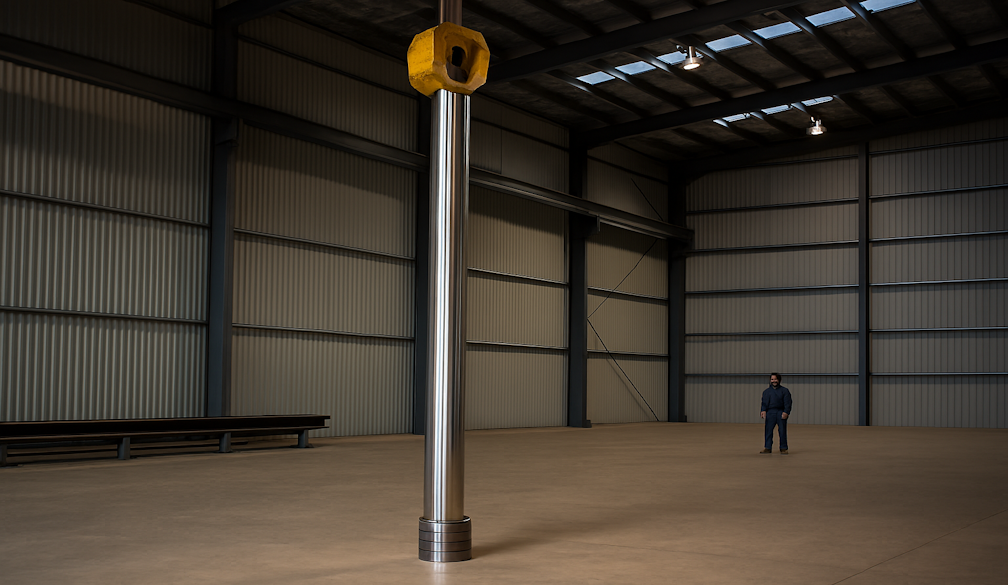
Precision, durability, and resistance are critical requirements in many industrial applications. Hard chrome plating is a specialised surface treatment used to improve the performance and lifespan of metal components exposed to friction, wear, and harsh operating conditions. By applying a controlled layer of chromium to metal surfaces, this process delivers enhanced hardness, corrosion resistance, and dimensional accuracy that standard materials alone cannot achieve.
Hard chrome plating is widely used across manufacturing, engineering, mining, hydraulics, automotive, and heavy industry sectors. Its ability to restore, protect, and extend the life of components makes it an essential solution for businesses focused on reliability and cost efficiency.
Understanding the Hard Chrome Plating Process
Hard chrome plating involves depositing a layer of chromium onto a metal substrate through an electroplating process. Unlike decorative chrome, which is thin and primarily aesthetic, hard chrome is applied in thicker layers designed for functional performance. The thickness can be carefully controlled to meet specific engineering tolerances.
The process begins with surface preparation, which is critical to achieving a strong bond between the base material and the chromium layer. Once prepared, the component is submerged in a chromic acid solution, and an electrical current is applied. This causes chromium ions to bond to the metal surface, forming a hard, wear-resistant coating.
Why Hard Chrome Plating Is Used in Industrial Applications
Industrial components are often exposed to extreme conditions, including high friction, pressure, heat, and corrosive environments. Hard chrome plating provides a protective barrier that reduces wear and prevents surface degradation. This protection helps components maintain their original dimensions and functionality for longer periods.
By improving surface hardness, chrome plating reduces friction between moving parts. Lower friction means less heat generation, reduced energy consumption, and improved operational efficiency. These benefits are particularly valuable in applications involving repeated motion or heavy loads.
Extending Component Lifespan and Reducing Downtime
One of the most significant advantages of hard chrome plating is its ability to extend the lifespan of components. Parts that would otherwise wear out quickly can be refurbished and reused through plating, reducing the need for frequent replacements.
This longevity directly impacts operational uptime. Fewer breakdowns and replacements mean reduced maintenance interruptions and lower overall operating costs. For industries where downtime is expensive, such as manufacturing and mining, hard chrome plating plays a vital role in maintaining productivity.
Corrosion Resistance and Environmental Protection
Corrosion is a major cause of equipment failure, especially in environments exposed to moisture, chemicals, or abrasive materials. Hard chrome plating offers excellent resistance to corrosion, protecting metal surfaces from oxidation and chemical attack.
This resistance makes plated components suitable for use in challenging environments, including outdoor operations and chemical processing facilities. By preventing corrosion-related damage, chrome plating helps maintain structural integrity and performance over time.
Restoring Worn or Damaged Components
Hard chrome plating is not only used for new parts. It is also an effective method for restoring worn or damaged components to their original specifications. By applying chrome to worn surfaces and machining them back to precise dimensions, components can be returned to service rather than discarded.
This restoration capability provides significant cost savings, particularly for large or custom parts that are expensive or time-consuming to replace. It also supports more sustainable practices by reducing material waste and the need for new manufacturing.
Precision and Dimensional Accuracy
Many industrial applications require components to meet strict dimensional tolerances. Hard chrome plating allows for precise control over coating thickness, making it ideal for applications where accuracy is critical. The plating process can be adjusted to add material in specific areas, compensating for wear or machining variations.
This precision ensures components fit and function correctly within assemblies. Maintaining accurate dimensions also reduces vibration, misalignment, and premature wear in mechanical systems.
Applications Across Multiple Industries
Hard chrome plating is used in a wide range of industries due to its versatility. In hydraulic systems, it is commonly applied to rods and cylinders to improve wear resistance and sealing performance. In manufacturing equipment, plated components withstand continuous use and mechanical stress.
Automotive and transport industries rely on hard chrome plating for parts that experience high friction and load. Mining and heavy equipment applications also benefit from the durability and corrosion resistance provided by chrome plating, particularly in abrasive environments.
Quality Control and Process Expertise
The effectiveness of hard chrome plating depends heavily on process control and technical expertise. Proper surface preparation, plating conditions, and post-plating finishing all influence the final result. Experienced providers follow strict quality control procedures to ensure consistent coating thickness, adhesion, and performance.
Quality assurance measures may include dimensional checks, hardness testing, and surface inspections. These steps ensure plated components meet performance expectations and industry standards.
Environmental and Safety Considerations
Modern hard chrome plating operations place strong emphasis on environmental responsibility and workplace safety. Advances in technology and process management have improved waste handling, emissions control, and worker protection.
Reputable providers operate in compliance with environmental regulations and continuously invest in safer, more efficient plating methods. This commitment ensures clients receive high-quality results while supporting responsible industrial practices.
Choosing the Right Hard Chrome Plating Provider
Selecting the right plating provider is essential for achieving reliable outcomes. Experience, technical capability, and attention to detail all play a role in the quality of the finished product. A professional provider takes time to understand application requirements and recommends solutions that align with operational needs.
Clear communication and consistent quality are key indicators of a reliable service. Providers who offer inspection, testing, and documentation help ensure confidence in the performance and longevity of plated components.
The Cost Efficiency of Hard Chrome Plating
While hard chrome plating represents an investment, it often delivers substantial cost savings over time. Extended component life, reduced downtime, and lower replacement costs all contribute to improved operational efficiency.
For businesses focused on long-term performance rather than short-term fixes, hard chrome plating offers a practical and proven solution. Its ability to restore and protect critical components makes it a valuable part of asset management strategies.
Final Thoughts on Hard Chrome Plating
Hard chrome plating remains a cornerstone of industrial surface engineering, delivering durability, precision, and resistance in demanding environments. By extending component life and improving performance, it supports reliable operations across a wide range of industries. With expert application and quality control, hard chrome plating provides long-term value, helping businesses maintain efficiency, reduce costs, and achieve consistent performance in challenging conditions.
