

Why Fire Protection Services Are Becoming Part of Property Strategy in Sydney
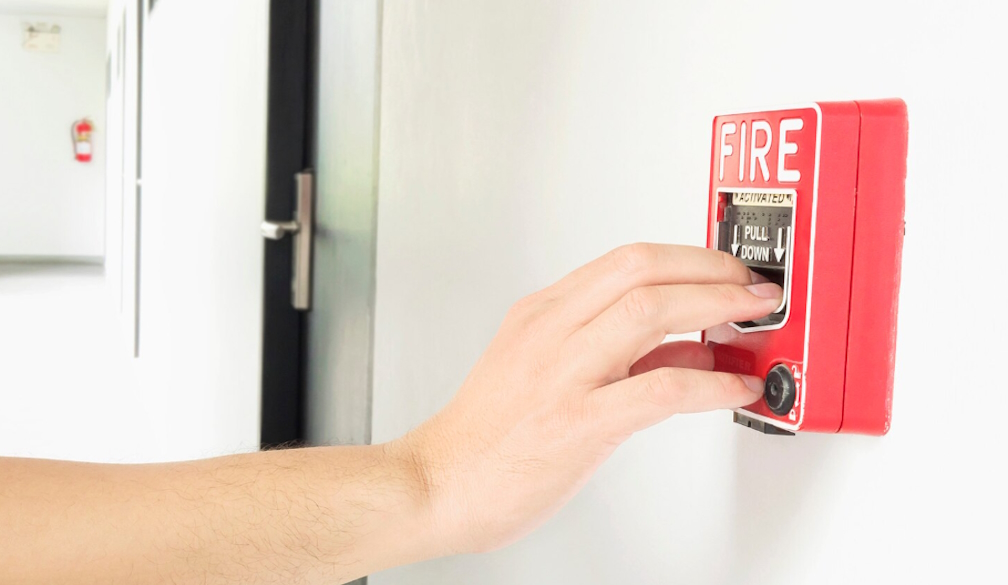
Sydney property used to be discussed in a fairly predictable way. Location, rent, vacancy, capex, tenant mix, presentation. The usual story. Fire protection sat off to the side, treated like a technical necessity that someone else would sort out once a year. It mattered, of course, but it was rarely seen as part of the bigger property picture.
That mood is changing. Owners looking at Sydney fire protection services are no longer only asking who can test a few systems and file the paperwork. More and more, they are asking how fire protection fits into risk, planning, maintenance rhythm, and the general health of the asset. And when people talk about reliable fire protection, they are often really talking about whether a building can keep running, stay compliant, and avoid turning every annual deadline into a panic.
It used to be “maintenance”. Now it feels more like asset management
Let me explain.
A lot of older thinking treated fire safety as a background task. Book the contractor, get the tags updated, move on. That approach was never ideal, but it was common. What has changed is not only regulation, but the way owners now have to live with it. NSW’s Building Commission says that from 13 February 2026, building owners are legally required to ensure all essential fire safety measures installed in their buildings are maintained in accordance with AS 1851-2012, and that maintenance is conducted by competent persons who keep systems operational and defects rectified promptly.
That wording matters. It places the burden squarely on the owner. Contractors still do the work, yes, but the legal and practical responsibility does not drift away with the invoice. That is a property strategy issue. Once the owner is responsible for the quality, timing, and follow-through of maintenance, fire protection stops being a side chore and starts looking much more like governance.
The Fire Safety Schedule is quietly becoming a property document
Here’s the thing. Every building owner loves a document that tells a clean story. Lease abstracts do that. Asset registers do that. Opex reports do that. Fire Safety Schedules do it too, even though they rarely get treated with the same respect.
NSW’s Fire Safety Schedule template guidance says the schedule helps make sure a building’s fire safety measures are installed and maintained to minimum performance standards. It lists the essential fire safety measures that apply to a building, including essential and critical measures, and it must be tailored to the building’s specific use and risk profile.
That makes the schedule more than a compliance form. It is effectively the building’s fire-safety blueprint in words. It tells owners what is meant to exist, what matters most, and what the building is expected to maintain over time. In property terms, that is useful intelligence. A good owner or asset manager should want that clarity, because unclear buildings are expensive buildings.
Annual fire safety statements are saying more than people think
This is where the “strategy” angle becomes even clearer. Annual fire safety statements are often treated as a filing exercise, a thing to submit and forget. But the NSW Planning Portal makes clear that annual fire safety statements must be issued each year and include the essential fire safety measures that apply to a building. The statement also verifies that an accredited practitioner has confirmed the exit systems comply with the Regulation, while supplementary statements are required for critical measures at intervals specified in the Fire Safety Schedule.
In other words, the annual statement is not only an admin chore. It is a yearly public declaration of how seriously the building takes its safety obligations. Fire and Rescue NSW also says the building owner must ensure a copy of the annual or supplementary statement, together with the current Fire Safety Schedule, is prominently displayed in the building. That turns the whole thing into something more visible than people sometimes realise.
Once you look at it that way, fire protection starts to resemble reputation management as much as maintenance management. Tenants, buyers, insurers, practitioners, and councils all read signals, even when they do not say so out loud.
The real risk is not only fire. It is drift
You know what? Most buildings do not suddenly become unsafe in one dramatic moment. They drift.
A fit-out moves a wall. A ceiling gets opened for services. A door closer gets adjusted because it annoys someone. A maintenance item is deferred because the budget is tight. A contractor changes, then another. Records become patchy. The systems are still there, but the discipline around them thins out. That is how properties slip from “generally fine” into “a bit messy” without anyone deciding to neglect them.
This is exactly why fire protection services are becoming part of property strategy. Strategy is not only about big upgrades and glossy plans. It is also about preventing slow decline. A building with a clear fire-safety rhythm, good records, competent providers, and an up-to-date understanding of its essential measures is far easier to manage than one held together by memory and last-minute phone calls.
Sydney’s building stock makes this even more relevant
Sydney is not a city of simple, uniform assets. It is a mix of strata apartment blocks, older commercial stock, towers with retail podiums, medical suites, education spaces, hospitality venues, and mixed-use developments that change hands and layouts more often than their brochures admit.
That variation matters because NSW’s own framework requires fire-safety measures to be tailored to the specific use and risk profile of the building. A sleepy suburban office is not the same as a mixed-use CBD tower. A strata block is not the same as a warehouse with an office fit-out at the front. Once owners accept that their fire-protection obligations are building-specific rather than generic, it becomes obvious why a copy-paste maintenance mindset no longer works.
And that, in turn, is why more owners are pulling fire protection into the strategic conversation earlier. Not because it is fashionable, but because a one-size-fits-all approach does not survive contact with Sydney’s real property mix.
Strategy is really just fewer surprises
Honestly, that is the simplest way to put it.
Property strategy sounds lofty, but in day-to-day terms it usually means fewer nasty surprises. Fewer defects discovered too late. Fewer statement deadlines handled in a rush. Fewer gaps between what the building is meant to have and what is actually being maintained. NSW’s reform materials are essentially pushing owners in that direction by telling them to learn the new requirements and bring procedures into line with AS 1851-2012.
That makes fire protection similar to lift maintenance, façade planning, or plant replacement programmes. It is not interesting because it is glamorous. It is interesting because it stops the building from embarrassing you later.
So why are fire protection services becoming part of property strategy?
Because they already affect the same things property strategy cares about: risk, continuity, compliance, asset quality, tenant confidence, and operational calm.
A building with an accurate Fire Safety Schedule, competent recurring maintenance, timely annual statements, and systems that are kept operational is easier to hold, easier to manage, and easier to explain. A building without those things may still look fine from the street, but it carries more uncertainty under the surface. The NSW framework around annual and supplementary statements, owner obligations, and schedule-driven measures makes that uncertainty harder to ignore.
And maybe that is the real shift in Sydney. Fire protection is no longer being treated as a narrow technical line item. It is becoming part of how good owners think about the building as a whole. Not as an emergency-only issue, but as part of the structure that keeps the asset stable, legible, and worth trusting.
