

Float Therapy: Deep Rest in a Weightless World
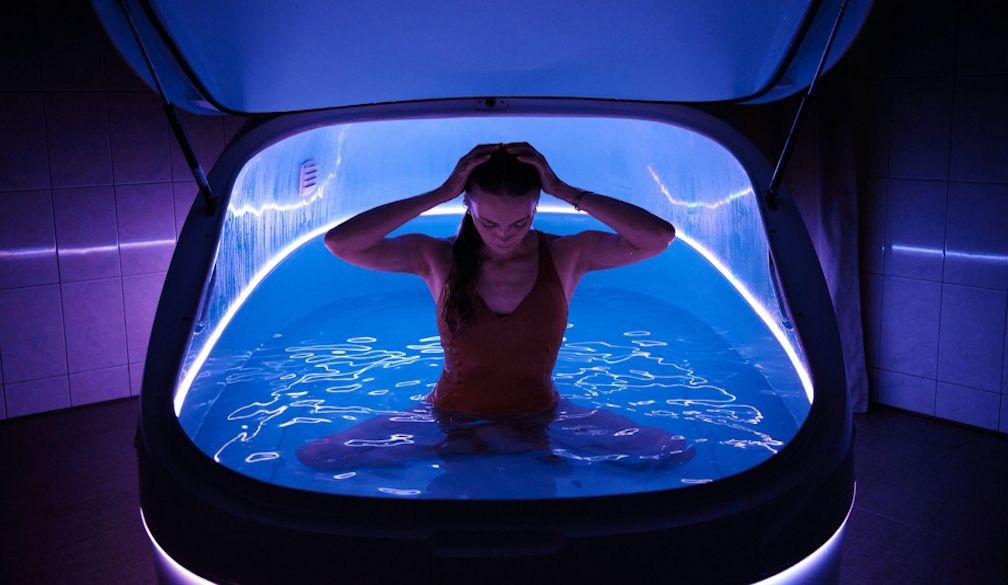
Float therapy, also known as flotation therapy or sensory isolation, is a wellness practice designed to bring the body and mind into a state of profound rest. Participants lie effortlessly in warm, mineral-rich water inside a purpose-built pod or tank, free from external light, sound, and distractions. In this environment, the nervous system downshifts, muscles release tension, and mental chatter quiets. As modern life grows increasingly noisy and demanding, float therapy has emerged as a compelling antidote—offering stillness, recovery, and clarity in a single session.
Originally developed in the mid-20th century to study consciousness, flotation tanks have evolved into refined wellness tools used by athletes, creatives, busy professionals, and anyone seeking deep relaxation. The water is heated to skin temperature and saturated with Epsom salt (magnesium sulfate), allowing the body to float effortlessly. This sensation of weightlessness reduces pressure on joints and muscles, while the absence of sensory input allows the brain to rest in a way that’s difficult to achieve during everyday life.
For people exploring float therapy for the first time, it’s common to encounter local variations and terminology—such as a sensory deprivation tank in Adelaide—which refers to the same core experience tailored to a specific location. Regardless of where you float, the essence remains the same: a safe, private space to disconnect from the outside world and reconnect with yourself. Within minutes, breathing slows, heart rate drops, and the body begins to repair and restore. Over time, many report improvements in sleep quality, stress levels, creativity, and overall wellbeing.
How Float Therapy Works
At the heart of float therapy is the principle of reduced sensory input. The tank or pod is engineered to minimise light, sound, and temperature fluctuations. When external stimuli are removed, the brain’s reticular activating system—responsible for filtering incoming information—gets a break. This can shift brainwave activity toward theta and delta states, commonly associated with meditation and deep sleep.
The water contains hundreds of kilograms of Epsom salt, creating buoyancy that allows you to float without effort. This relieves gravitational pressure on the spine and joints, which can be especially beneficial for those with chronic pain or muscle tension. Magnesium, absorbed through the skin, plays a role in muscle function, nerve regulation, and stress response, further supporting relaxation.
Physical Benefits of Floating
One of the most immediate effects of float therapy is physical relaxation. Muscles soften as the body becomes weightless, often leading to reduced soreness and faster recovery after exercise. Athletes frequently use floating as part of their training regimen to support muscle repair and reduce inflammation.
Float therapy may also help with pain management. By lowering cortisol (the stress hormone) and encouraging endorphin release, floating can reduce the perception of pain. People with back pain, arthritis, fibromyalgia, or tension headaches often report noticeable relief after sessions. Improved circulation and reduced blood pressure are additional benefits linked to the deep relaxation response.
Mental and Emotional Wellbeing
Beyond physical restoration, float therapy offers powerful mental health benefits. The quiet, distraction-free environment creates space for the mind to settle. For many, this results in a meditative state that’s easier to access than traditional meditation practices.
Regular floating has been associated with reduced stress, anxiety, and symptoms of burnout. When the nervous system enters a parasympathetic (“rest and digest”) state, the body can recover from chronic stress patterns. Some people also experience enhanced mood, greater emotional balance, and improved focus following sessions.
Creatives and problem-solvers often report heightened insight and clarity after floating. With fewer external demands on attention, the brain can make novel connections, leading to fresh ideas and perspectives.
What to Expect During a Session
A typical float session lasts between 60 and 90 minutes. After showering, you enter the pod or tank and gently lie back in the water. Most facilities allow you to control lighting and music at the beginning, which can be turned off entirely once you’re comfortable.
The first few minutes may involve an adjustment period as your body and mind settle. Some people experience vivid imagery, a sense of timelessness, or deep introspection. Others simply drift into a state of profound rest, occasionally falling asleep. There is no “right” way to float—the experience is highly personal and varies from session to session.
Afterward, many people describe feeling refreshed, grounded, and mentally clear. It’s common to notice benefits continuing for hours or even days, particularly with regular practice.
Float Therapy vs. Meditation
While float therapy and meditation share similarities, floating can be especially helpful for those who struggle to quiet their minds. The controlled environment removes many of the challenges that make meditation difficult, such as physical discomfort or environmental noise.
In a float tank, the body is fully supported, making it easier to relax without effort. This allows beginners and experienced meditators alike to access deeper states of awareness. Some people use floating as a gateway to developing a meditation practice, while others treat it as a standalone wellness ritual.
Safety and Hygiene
Modern float centers adhere to strict hygiene standards. The high salt concentration naturally inhibits bacteria growth, and advanced filtration systems continuously clean the water between sessions. Participants are encouraged to avoid floating with open cuts or infections and to consult a healthcare professional if they have specific medical concerns.
Claustrophobia is a common worry for first-timers, but most pods are spacious and can be left open if desired. The experience is entirely voluntary and can be ended at any time, providing reassurance for those new to floating.
Who Can Benefit from Float Therapy?
Float therapy is suitable for a wide range of people. Busy professionals use it to manage stress and prevent burnout. Athletes and fitness enthusiasts rely on it for recovery and performance support. Individuals seeking better sleep, emotional balance, or mental clarity often incorporate floating into their wellness routines.
It can also be a valuable tool during periods of transition or personal growth. By offering uninterrupted time for rest and reflection, float therapy supports self-awareness and resilience in a way few other practices can.
Making Float Therapy Part of Your Routine
While a single session can be deeply restorative, the greatest benefits often come from regular floating. Many people start with monthly sessions and adjust frequency based on their goals—whether that’s stress management, pain relief, or creative exploration.
Like exercise or meditation, float therapy works best when approached with consistency and openness. Each session builds on the last, helping the body and mind learn how to relax more deeply and recover more efficiently.
A Return to Stillness
In a world defined by constant stimulation, float therapy offers a rare opportunity to experience true stillness. By removing external demands and allowing the body to float effortlessly, this practice creates space for healing, insight, and renewal. Whether you’re seeking physical recovery, mental clarity, or simply a break from the noise of everyday life, float therapy provides a gentle yet powerful path back to balance.
