

Male Facelift Recovery in Thailand: What You Can Expect Week by Week
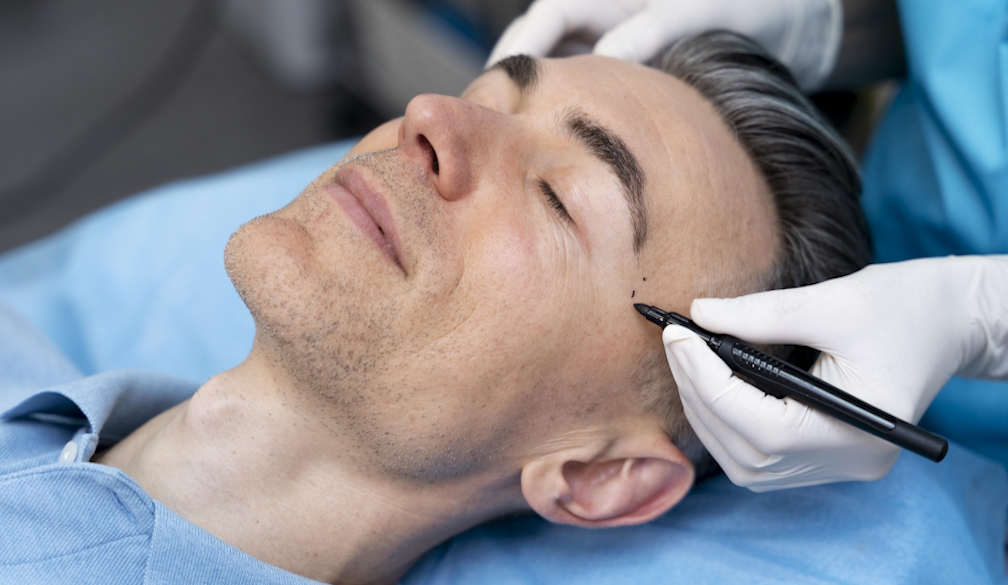
A male facelift recovery is usually less about “being in pain” and more about managing swelling, bruising, tightness, and patience. You’ll likely feel presentable long before you feel fully “settled.” That’s normal—facelift healing happens in layers, and the last 20% of refinement often takes longer than people expect.
If you’re considering a facelift Thailand trip, your recovery plan should include enough time for early follow-ups, comfortable downtime, and a travel schedule that doesn’t force you to rush healing.
What a “male facelift” usually means
A facelift for men is often designed to sharpen the jawline, reduce heaviness around the lower face, and tighten the neck area—while keeping you looking like yourself. Your surgeon may recommend different techniques depending on how much lift you need and where your skin and deeper tissues have loosened.
It’s also common for men to combine a facelift with other procedures, especially if you want a more balanced result. A neck lift, eyelid surgery, or subtle fat grafting (to restore volume rather than just tighten) might be discussed. Combining procedures can be convenient, but it can also extend swelling and recovery, so it’s something to plan carefully.
Your first 24–48 hours after surgery
Right after surgery, you’ll usually feel tightness and pressure more than sharp pain. Swelling starts early, and you may have dressings or a compression wrap to support the tissues and reduce fluid buildup. Some surgeons use drains for a short period; others don’t, depending on technique and preference.
This is the phase where your job is simple: rest, stay hydrated, keep your head elevated, and follow instructions exactly. Sleeping slightly upright is usually recommended because it helps swelling settle faster and can make you feel more comfortable.
Days 3–7: the swelling and bruising peak window
For many people, swelling and bruising peak in the first week. You may look more “puffy” before you look better, which can feel frustrating if you weren’t expecting it. Your face may also look uneven from side to side—swelling often resolves asymmetrically.
During this phase, your surgeon’s guidance matters more than any internet timeline. You’ll typically have rules about washing your face, showering, and avoiding anything that raises blood pressure too much (heavy lifting, intense bending, strenuous activity). If you shave, you’ll likely need to be careful around incisions and areas of numbness, because it’s easy to nick skin you can’t fully feel yet.
Week 2: when you start to feel more like yourself
By the second week, many men feel noticeably more comfortable. You may be able to do light daily activities, move around more normally, and feel less “fragile.” Any stitches or staples (if used) are often addressed around this time, though exact timing depends on your surgeon’s approach.
You might still have firmness, swelling, and some numbness—especially around the ears, jawline, and neck. This is also when you may start noticing the “tight but not quite natural” feeling. It typically improves as swelling decreases and tissues soften.
Weeks 3–6: the social recovery phase
This is when many people become more socially confident. Most bruising has faded or is easier to cover, and swelling is usually much less obvious to others—though you may still notice it in photos or certain lighting.
Your activity usually increases gradually. Walking is often encouraged early, but returning to the gym, heavy lifting, or intense cardio is typically phased in later. Pushing exercise too early can worsen swelling or increase bleeding risk, so it’s worth taking the conservative route even if you feel “fine.”
If you’re trying to time your return to work, this phase is often the most realistic window for public-facing comfort—especially if you want to look like you simply slept well and took a break, not like you “just had surgery.”
Months 2–3: refinement and settling
By two to three months, your result usually looks more natural and less “post-procedure.” Incisions continue to mature, swelling continues to fade, and numb areas slowly improve. Some tightness, tingling, or firmness can still come and go—especially in the morning or after more activity.
This is also when you may start appreciating the subtler benefits: a cleaner jawline, a more rested look, and better neck definition—without that pulled appearance you might fear.
Scars and hairline concerns in male facelift recovery
Men often worry about scars being visible and hairline changes being noticeable. That’s a valid concern, especially if you wear your hair short or shave closely. Incision placement is planned to reduce visibility, but scar quality still depends on your healing, your skin type, and how well you protect scars from tension and sun early on.
Scar care is usually simple but consistent: follow your surgeon’s cleaning instructions, avoid picking or rubbing, consider silicone-based scar care if recommended, and protect incisions from sun exposure (sun can darken scars and make them more noticeable).
Managing common recovery symptoms
A few recovery experiences are common and usually improve with time:
- Numbness or tingling: nerves can take weeks to months to settle
- Firmness and tightness: tissues soften gradually
- Itchiness: often a sign of healing, but you still want to avoid scratching incisions
- Emotional ups and downs: it’s common to have a “Why did I do this?” moment during peak swelling
The best mindset is to treat recovery like a gradual curve. If you expect daily improvement, you may feel disappointed. If you expect weekly improvement, you’ll usually feel calmer and more in control.
Warning signs: when you should contact your surgeon urgently
Even though serious complications are uncommon, you should know the red flags. Contact your surgeon urgently if you notice worsening redness, warmth, pus-like drainage, fever, sudden one-sided swelling, rapidly increasing bruising, or severe pain that feels out of proportion. Anything that feels suddenly “wrong” is worth reporting—especially in the early days.
Travel considerations when you’re recovering in Thailand
If you’re traveling, don’t build a schedule that forces you to fly home immediately after surgery. Early follow-ups matter, and you’ll be more comfortable (and safer) when you can be checked in person during the highest-risk window for swelling and bleeding issues.
If you’re planning a facelift Thailand recovery trip, choose lodging that supports healing: easy elevator access, close transportation, and a quiet environment where you can rest with your head elevated. If you can bring a support person for the first few days, many people find it makes everything easier—meals, medication timing, and simple errands.
How to plan time off work
Time off depends on your job and your comfort level. If you work at a desk and don’t have to be on camera constantly, you may feel okay returning sooner. If you’re in a public-facing role, you’ll likely want more time so bruising and swelling are less noticeable.
Instead of asking “When can I go back?” a better question is: “When do I want to feel confident?” That answer is usually a bit later than the earliest possible return.
Tips to heal well and protect your results
Your results are shaped by what you do after surgery. The basics are powerful: don’t smoke or vape, limit alcohol early on if your surgeon advises, stay hydrated, keep sodium reasonable to help swelling, and prioritize sleep. Gentle movement helps circulation, but intense workouts too soon can set you back.
Most importantly, follow your surgeon’s instructions even if a friend’s timeline was different. Technique and aftercare protocols vary, and your plan should be customized to you.
Male facelift recovery is a steady progression: early swelling and downtime, then a “back to normal life” phase, then a longer period of refinement where things quietly improve month by month. If you give yourself enough time, plan travel responsibly, and follow aftercare closely, you’ll set yourself up for a calmer experience and a result that looks natural—like you, just more refreshed.
