


What Actually Makes an Orthotic "Custom" Isn't the Mould
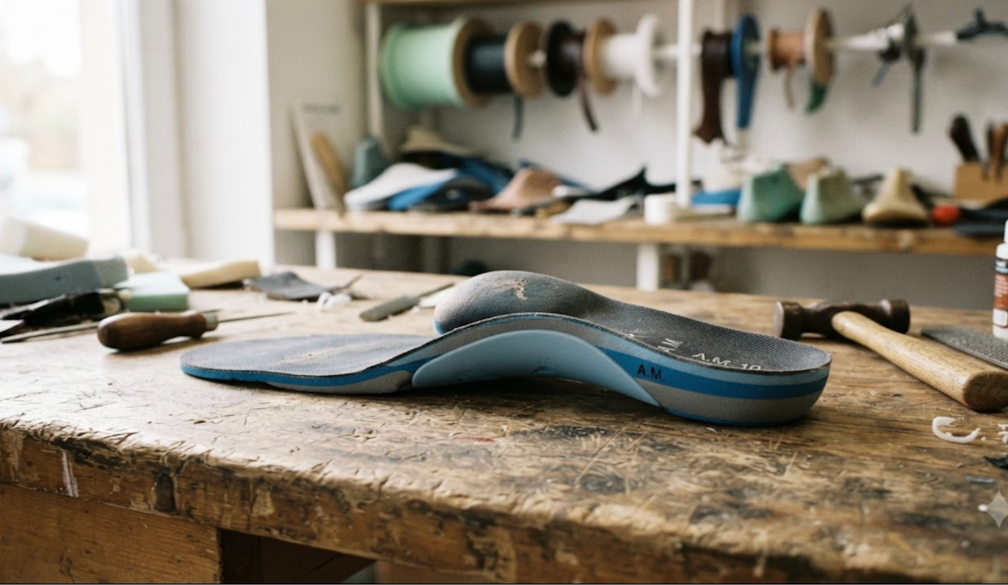
A custom orthotic and a premium off-the-shelf insole can end up looking almost identical once they're both sitting inside a shoe, moulded arch support, similar foam density, sometimes even a similar price. The part that actually separates them happened earlier, before either product existed, in whether anyone examined how a specific foot behaves while it's moving rather than what shape it happens to be at rest.
What Gets Measured Before Anything Is Made
The reliable way to tell the two apart is to start with a biomechanical assessment Brisbane clinics use to examine foot structure, posture, gait and movement, rather than comparing materials or price once a product is already in hand. An insole picked off a shelf is built around a general assumption about arch height and foot width, categories broad enough to fit a large number of people reasonably well. A biomechanical assessment works from a different starting point entirely. It looks at foot structure, posture, gait and how the joints of the foot and ankle move through a full walking or running cycle, not just how the foot sits when someone is standing still. Two feet can look structurally similar in a static check and still load weight, roll, and push off completely differently once they're actually moving, which is exactly the kind of detail a resting measurement can't pick up.
That distinction matters because conditions like plantar fasciitis, Achilles tendinopathy, metatarsalgia and Morton's neuroma are often driven less by the foot's shape and more by a specific movement pattern repeated thousands of times a day. An orthotic built without identifying that pattern is essentially a guess dressed up as a custom product.
Why a Mould Isn't the Same as a Diagnosis
There's a common assumption that "custom" simply means moulded to an individual foot, through a digital scan or a physical cast, rather than mass produced. That's part of it, but it's the smaller part. Casting captures shape. It doesn't, on its own, tell anyone what that shape needs corrected. A cast taken without an assessment beforehand can still produce a perfectly accurate replica of a problematic movement pattern, supporting the foot exactly as it currently, and unhelpfully, moves.
This is why so much weight sits on the assessment conducted before any casting takes place. It determines what the orthotic is actually meant to change, redistributing pressure away from an overloaded area, controlling excess pronation, or adjusting how force travels up through the knee and lower back, and the mould only comes afterwards, once that target is clear. Skipping straight to the mould reverses the order that makes the word "custom" mean anything clinically.
Where Off-the-Shelf Support Is Genuinely Enough
None of this means everyone with foot discomfort needs a full prescription orthotic. General fatigue from a long shift on hard floors, mild arch strain during a temporary increase in activity, or simply wanting more cushioning in daily footwear are all situations where a well-made, generic insole may provide adequate support without needing an individual assessment behind it. The distinction worth drawing isn't premium versus basic, it's whether there's a specific, recurring movement pattern behind the discomfort or whether the issue is general and likely to resolve with rest, better footwear, or short-term extra cushioning. A podiatrist can usually tell the difference in a single consultation, and can support that judgement rather than defaulting straight to a custom order.
What This Means Before Buying Either Option
For anyone weighing up custom orthotics against a shelf insole, or comparing providers online, the more useful question isn't which material or brand is used. It's whether an assessment of gait and movement happened at all, and whether the prescription that follows is based on findings from that assessment rather than a foot's static outline. A retailer offering "custom" orthotics built purely from a self-administered foot trace at home is working with a fraction of the information a proper biomechanical assessment gathers, regardless of how precisely that trace is measured.
The Practical Takeaway
Orthotics, custom or otherwise, may help support gait efficiency and reduce load on an overworked area, but that outcome depends entirely on whether the underlying movement pattern was actually identified first. A well-fitted product built on an inaccurate or absent assessment can look and feel custom without functioning as one. For anyone dealing with a recurring issue rather than general foot fatigue, that assessment is the part of the process worth booking before any material, price or mould enters the conversation.
