


How to Maintain Your Oral Health When Life Gets Busy in Aspley
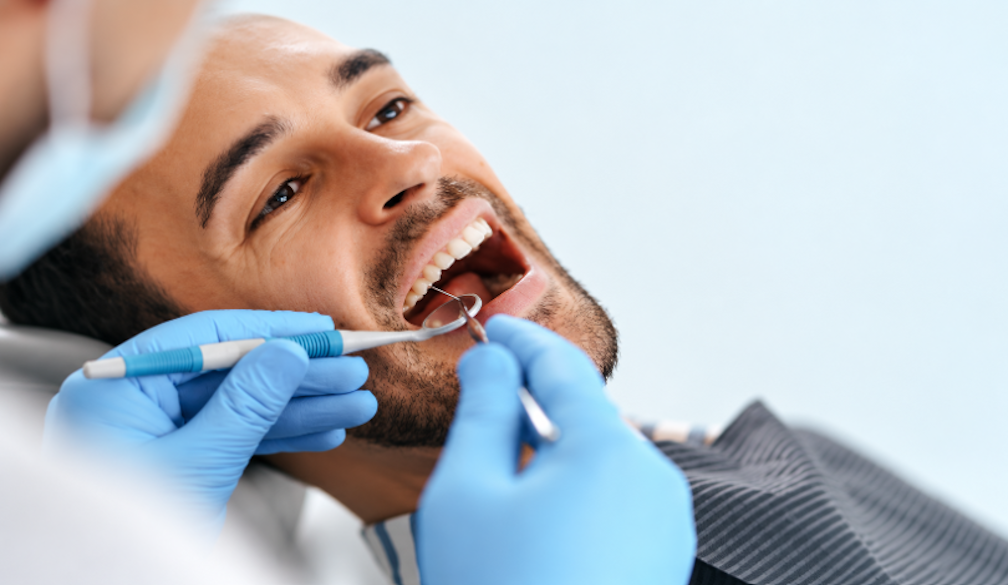
Fitting time for dentist Aspley appointments become difficult when you have commitments at work, at home, at school, or just daily activities to do. Dental care can be the last thing on the agenda until your tooth gives you pain. Instead, you should try developing little oral care habits and scheduling routine dental appointments.
Australian statistics prove the importance of routine dental checkups. For example, in 2024-25, 54% of Australians aged 15 years and above visited dentists during the last 12 months. On the other hand, 25% of those requiring dental care were not able to make appointments because of various reasons, including cost.
Why Does Oral Health Get Forgotten When You Are Busy?
The hectic schedule makes a simple routine. You miss one meeting, miss flossing for some days, eat out and promise yourself that you will deal with your teeth when convenient.
The problem is that initial stages of oral diseases do not give any symptoms. Tooth cavities and gum diseases start without causing pain. Pain indicates that you have progressed past the stage of prevention.
A survey carried out in Australia in 2021 indicated that 11% of adults aged above 18 reported to have gum disease. According to the same research, 18% of adults that normally visit the dentists due to dental issues reported having gum disease, while only 8.7% among those that normally visit for examination had it.
Prevention is easier for a busy Aspley family than an unforeseen dental issue.
What Should a Busy Oral Health Routine Look Like?
It does not have to be a complicated procedure. You should concentrate on the practices that are most effective.
The Australian Dental Association advises brushing for two minutes twice a day with fluoride toothpaste, cleaning between your teeth once a day using either floss or interdental brushes, and having regular dental visits and professional cleaning.
Here is a basic regimen you can try:
- Brush twice a day – in the morning when you get up and at night before bed.
- Floss your teeth once per day.
- Keep your toothbrush and fluoride toothpaste at work if mornings are hectic.
- Consume water during the day, particularly after each meal.
- Limit consumption of sugary foods and beverages to mealtimes only.
- Enter your next dental visit into your phone’s schedule ahead of time.
- This process will not take much time. The important thing is to stick to it.
How Can a North Brisbane Dentist Help You Stay on Track?
In addition to a healthy clean, an appointment with the dentist helps him or her examine your teeth, gums and mouth for any decay, gum disease, broken fillings and more.
In addition, a North Brisbane dentist can help customise your dental appointments according to your personal schedule. For instance, if you work all day long, your dentist will accommodate an appointment during off-work hours. Likewise, if you have kids, the appointments will be made around school hours.
There is no fixed number for how often you should make these visits. According to the Australian Institute of Health and Welfare, regular dental visits are generally advised once in every 12 months by the dental profession for prevention, detection and treatment purposes.
Don’t wait till pain comes along to make your appointment.
What If You Only Have Five Minutes for Dental Care?
A five-minute schedule is sufficient time to attend to all the necessary activities.
Morning:
- Brush twice daily using a fluoride toothpaste for 2 minutes.
- Rinse your mouth using water after your breakfast if immediate brushing does not suit your schedule.
Evening:
- Floss once daily.
- Brush for 2 minutes before retiring.
In case you are short of time, do not make brushing an all-or-nothing activity. A missed evening need not translate into a missed week.
The type of brush is important. You should use a soft brush and change it when the bristles get worn out. If you have sensitive teeth, bleeding gums, orthodontic treatment or dentures, seek professional opinion from your dental team.
How Do Food and Drinks Affect Your Teeth During a Busy Day?
People who are busy tend to have different diets. Drinking coffee at the desk, taking an energy drink before exercising, eating snacks in between meetings and having dinner from a takeout place after work may easily become a habit.
The problem does not concern the odd treat now and then. Being regularly exposed to high amounts of sugar means that the bacteria living in the mouth have a greater chance to create acids that cause tooth decay.
Water is always a simple option between meals. When drinking coffee or tea, try to minimise the amount of added sugar when it is possible. Avoid sitting for hours and drinking beverages that contain sugar.
What Should You Do If You Keep Missing Dental Appointments?
Make dental appointments more manageable.
One way to do this is to make an appointment before you leave the present one. Set up an appointment when you’re least likely to back out, for example, during the morning hours, lunchtime, or any other quieter time in your work week.
If you have a family, booking the appointments back-to-back can save you from making multiple visits to the clinic. Don’t forget about the reminders. Schedule the dental appointments on the same calendar where you schedule all of your meetings and other engagements.
According to Australian statistics, approximately 63% of adults above 15 years needed dental care in 2024-25. Out of all these people, 86% visited a dentist.
The point is simple. If you keep forgetting about the dental appointments, simply make them part of the schedule.
What Should You Do During a Dental Emergency?
An unexpected toothache, a chipped tooth, swelling, dental trauma, or a knocked-out tooth requires immediate action. Painkillers alone or waiting for some days should never be used as treatment.
In case of emergencies, book an appointment with an emergency dentist in Aspley as soon as you can. According to the clinic, they offer same-day emergency appointments for any urgent dental problem, depending on availability.
When a permanent tooth is knocked out, seek urgent dental assistance. Immediate attention of the dentist will ensure there are many treatment options left.
Severe facial swelling, uncontrolled bleeding, or severe tooth pain also require immediate attention from a dentist.
How Do You Keep Kids on a Busy Family Dental Schedule?
Routine is necessary for kids too. It becomes easy to reschedule dental visits owing to school, sports, homework, and other commitments at home.
Keep the routine consistent. Brush teeth with your child in the morning and before sleeping. Teach your kid how to brush his/her teeth instead of leaving him/her on his/her own. Avoid giving your child excessive sweets and beverages, particularly after the meals.
Routine dental visits also contribute to acclimatising the child to the surroundings of the dentist’s office before it becomes necessary.
A family-oriented North Brisbane dentist can advise you about your child’s brushing habits, use of fluoride and diet.
Frequently Asked Questions
1. How often should I visit a dentist if I am busy?
There is no single appointment schedule for every adult. Your dentist will consider your oral health, dental history, gum health, decay risk and treatment needs. Australian dental data reports annual check-ups as a widely recommended approach for preventive care. Some people need more frequent visits, while others follow a different interval based on professional advice.
2. Is brushing twice a day enough for good oral health?
Brushing twice daily with fluoride toothpaste is a core part of oral hygiene, but brushing alone does not clean every surface between teeth. The Australian Dental Association also recommends cleaning between teeth once daily with floss or interdental brushes. Regular dental examinations and professional cleaning form another part of preventive dental care.
3. What if I have not visited a dentist for several years?
Do not feel embarrassed about booking an appointment. Dental teams see patients who have missed routine care for many reasons, including busy schedules, cost concerns and dental anxiety. Your first appointment usually focuses on assessing your current oral health and discussing suitable next steps. Start with one appointment and work from there.
4. Should I see a dentist if my teeth do not hurt?
Yes. A lack of pain does not confirm good oral health. Tooth decay and gum disease often develop before noticeable symptoms appear. Routine dental examinations give your dentist an opportunity to identify problems earlier and discuss preventive care. Australian data also shows people who usually attend for check-ups have different reported gum disease rates from those who attend only when they have dental problems.
5. What should I do if I suddenly develop severe tooth pain?
Contact a dental practice promptly for an assessment. Severe pain may have several causes, including decay, infection, a damaged tooth or another dental problem. If you also have facial swelling, fever, difficulty swallowing or breathing, seek urgent medical attention. For dental emergencies, contact an emergency dental service as soon as possible.
Book a dental appointment today
Even with a busy lifestyle, maintaining good oral hygiene is essential. Brush twice daily, floss once a day, make healthy choices, and keep up with regular dental check-ups.
If you’ve been delaying your dental visit or experiencing pain, swelling, a broken tooth or another dental emergency, book an appointment promptly.
