

The Most Common Bathroom Cleaning Mistakes (And How to Avoid Them)
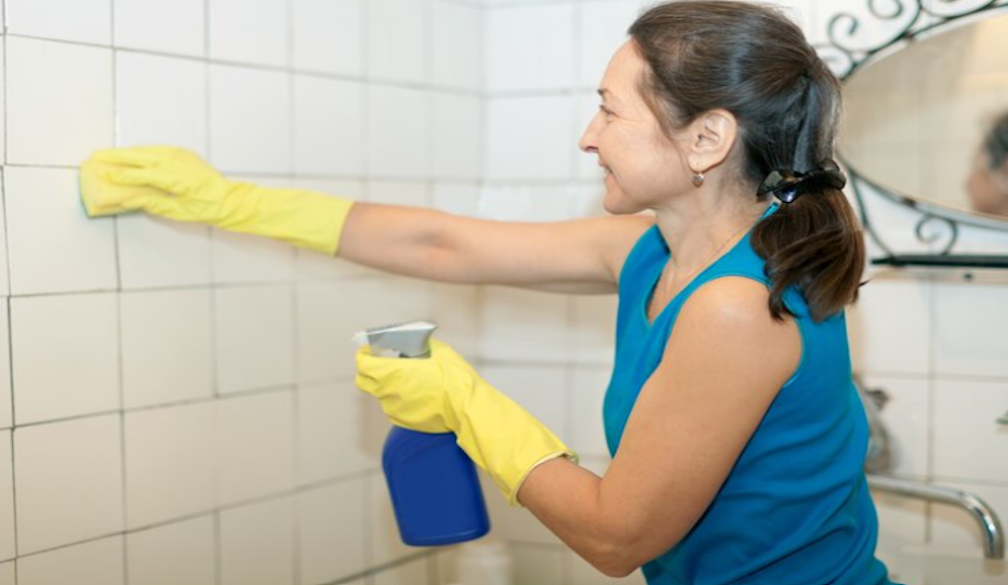
The bathroom is one of the most frequently used spaces in any home, making it one of the hardest areas to keep clean. From soap scum and mould to bacteria and hard water stains, bathrooms require regular maintenance to stay fresh, hygienic, and looking their best.
However, many homeowners unknowingly make simple cleaning mistakes that can leave their bathrooms less hygienic or even cause long-term damage to fixtures and surfaces. Whether you're cleaning your bathroom yourself or preparing for a professional house cleaning service, understanding these common mistakes can help you achieve better results.
Here are the most common bathroom cleaning mistakes—and how to avoid them.
1. Using the Same Cloth Throughout the Entire Bathroom
One of the biggest mistakes people make is cleaning every surface with the same cloth or sponge.
For example, wiping the toilet and then using the same cloth on the vanity or sink can spread bacteria throughout the bathroom, even if the cloth appears clean.
What to Do Instead
Use separate colour-coded microfiber cloths for different areas:
- One for the toilet
- One for the sink and vanity
- One for mirrors and glass
- One for shower surfaces
Microfiber cloths trap dirt and bacteria more effectively than traditional cloths and are reusable after washing.
2. Spraying and Wiping Immediately
Many people spray disinfectant or bathroom cleaner and wipe it away straight away.
The problem is that most cleaning products need time to work. If you wipe immediately, they don't have enough time to break down soap scum, mineral deposits, or kill germs effectively.
What to Do Instead
Always read the product instructions and allow the cleaner to sit for several minutes before wiping. This "dwell time" helps loosen grime and allows disinfectants to do their job properly.
3. Forgetting High-Touch Surfaces
While toilets and showers usually get the most attention, many high-touch areas are often overlooked.
These include:
- Light switches
- Door handles
- Tap handles
- Toilet flush buttons
- Cabinet handles
These surfaces are touched multiple times every day and can harbour bacteria and germs.
What to Do Instead
Include these areas in every bathroom clean using a disinfecting cloth or spray.
4. Ignoring Exhaust Fans
Bathroom exhaust fans remove moisture from the air, helping to prevent mould and mildew.
Over time, however, dust builds up inside the fan, reducing its effectiveness.
A dirty fan can lead to:
- Increased humidity
- Mould growth
- Poor ventilation
- Unpleasant odours
What to Do Instead
Vacuum the fan cover every few weeks and clean it with warm soapy water every few months.
5. Not Cleaning the Grout
Many homeowners scrub tiles but forget the grout lines.
Grout is porous and easily absorbs:
- Soap residue
- Dirt
- Moisture
- Mould spores
Dirty grout can make an otherwise clean bathroom look old and neglected.
What to Do Instead
Use a grout brush with an appropriate grout cleaner or a mixture of baking soda and water for light staining. Regular cleaning prevents deep staining and mould growth.
6. Using Abrasive Cleaners on Delicate Surfaces
Harsh scrubbing pads and abrasive powders may seem like a quick solution, but they can scratch many bathroom surfaces.
These include:
- Glass shower screens
- Chrome tapware
- Acrylic bathtubs
- Stone benchtops
- Gloss tiles
Once scratched, surfaces become more difficult to clean because dirt sticks more easily.
What to Do Instead
Use non-abrasive microfiber cloths or soft sponges and choose cleaning products designed for the specific material.
7. Forgetting Shower Screens
Many people focus on the shower floor and walls while ignoring the glass.
Soap scum and hard water stains gradually build up, leaving shower screens cloudy and difficult to restore.
What to Do Instead
Use a squeegee after each shower and clean the glass weekly with a glass-safe cleaner to prevent stubborn mineral deposits.
8. Leaving Moisture Behind
Even after cleaning, leaving excess water on surfaces creates the perfect environment for mould and mildew.
Common problem areas include:
- Shower corners
- Window sills
- Tile grout
- Around the bath
- Behind the toilet
What to Do Instead
Dry surfaces with a microfiber cloth after cleaning and improve ventilation by running the exhaust fan or opening a window.
9. Overusing Cleaning Products
Many people assume that more product means a cleaner bathroom.
In reality, using too much cleaner often leaves behind residue that attracts dirt and dulls surfaces.
Excess product can also make floors slippery and require extra rinsing.
What to Do Instead
Follow the recommended amount on the product label. In many cases, less is more.
10. Mixing Cleaning Chemicals
Mixing cleaning products can be dangerous.
For example, combining bleach with products containing ammonia or acids can release toxic fumes that pose serious health risks.
What to Do Instead
Never mix cleaning chemicals. Use one product at a time and always follow the manufacturer's instructions.
11. Waiting Too Long Between Cleans
Bathrooms become much harder to clean when dirt, soap scum, and mould are allowed to build up over weeks or months.
Small issues quickly become time-consuming cleaning projects.
What to Do Instead
Clean your bathroom regularly. A weekly clean is usually enough for most households, while larger families may benefit from more frequent maintenance.
12. Forgetting Behind and Around the Toilet
The area around the toilet is often overlooked because it's awkward to reach.
Unfortunately, it's also one of the places where dust, hair, and bacteria accumulate.
What to Do Instead
Make sure you clean:
- Behind the toilet
- Around the base
- The cistern
- Toilet hinges
- Floor edges surrounding the toilet
These hidden areas make a noticeable difference to the overall cleanliness of the bathroom.
13. Neglecting Bathroom Accessories
Soap dispensers, toothbrush holders, bins, and toilet brushes can collect grime just like the rest of the bathroom.
Ignoring them can undermine all your hard work.
What to Do Instead
Wash bathroom accessories regularly and replace worn-out toilet brushes or sponges when needed.
14. Skipping Regular Mould Prevention
Melbourne's cooler months and humid conditions can encourage mould growth, especially in poorly ventilated bathrooms.
Waiting until mould appears often means more intensive cleaning is required.
What to Do Instead
Prevent mould by:
- Running the exhaust fan during and after showers
- Opening windows when possible
- Drying wet surfaces
- Cleaning grout regularly
- Repairing leaking taps or plumbing issues promptly
Prevention is much easier than removing established mould.
15. Trying to Rush the Job
One of the most common mistakes is trying to clean the entire bathroom in just a few minutes.
When you're rushing, it's easy to miss hidden corners, forget high-touch surfaces, or skip important steps like allowing cleaning products time to work.
What to Do Instead
Work methodically from top to bottom:
- Dust vents and light fixtures.
- Spray cleaning products and let them sit.
- Clean mirrors and glass.
- Wipe the vanity and sink.
- Scrub the shower and bathtub.
- Clean and disinfect the toilet.
- Vacuum or sweep the floor.
- Mop the floor last.
This approach prevents dirt from falling onto already-clean surfaces and ensures a more thorough clean.
When Should You Hire a Professional Bathroom Cleaner?
While regular maintenance keeps your bathroom looking fresh, some situations call for professional help.
A professional cleaning service is ideal if:
- Mould has become difficult to remove.
- Soap scum has built up over time.
- Hard water stains won't come off.
- You don't have time for regular cleaning.
- You're preparing your home for sale or guests.
- You want a deep clean after months of regular use.
Professional cleaners have the experience, equipment, and products to restore bathrooms safely and efficiently without damaging delicate surfaces.
Final Thoughts
A clean bathroom isn't just about appearances—it's essential for maintaining a healthy and comfortable home. By avoiding these common cleaning mistakes, you can keep your bathroom fresher, reduce the risk of mould and bacteria, and extend the life of your fixtures and finishes.
Whether you're tackling the cleaning yourself or hiring a professional service, a consistent routine and the right techniques will make all the difference. With a little extra attention to detail, your bathroom can remain one of the cleanest and most inviting rooms in your home.
 "Pin It")