

Walking Through Japan’s Past: Discover the Historic Nakasendo Trail
Japan is often associated with futuristic cities, high-speed trains and cutting-edge technology, but some of its most memorable travel experiences can be found along quiet mountain paths and centuries-old streets. For visitors planning their journey, researching practical details such as eSIM Japan options from providers like Holafly can help make it easier to navigate unfamiliar routes, check transport schedules and stay connected while exploring the countryside.
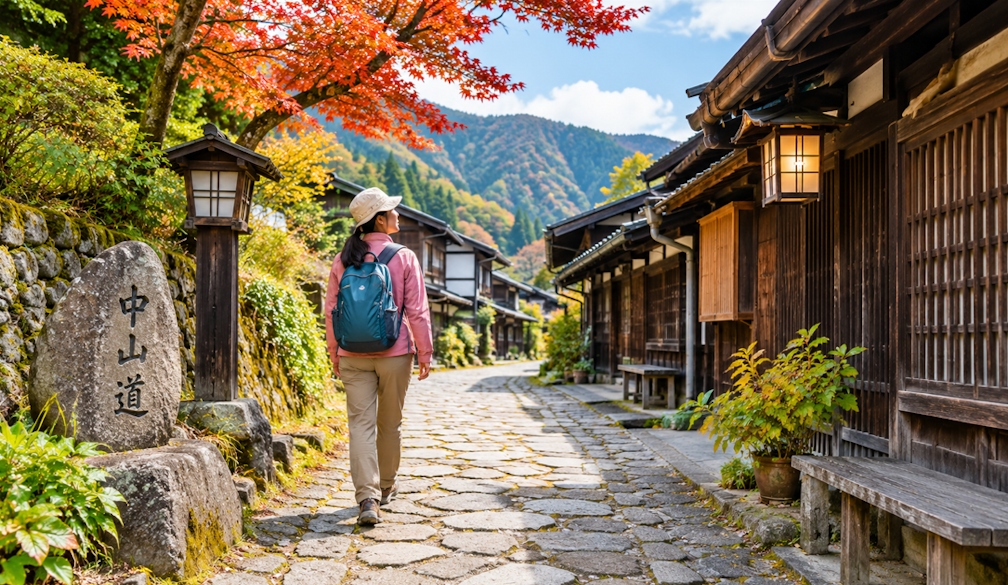
The Nakasendo Trail offers a completely different perspective on the country. Once an important route connecting Edo, now Tokyo, with Kyoto, this historic road passed through mountain valleys, forests and small post towns where travellers could rest during long journeys. Today, sections of the route allow visitors to experience Japan at a slower pace, far removed from the busy streets of its largest cities.
What Makes the Nakasendo Trail Special?
The Nakasendo was one of the major routes used during Japan's Edo period. Unlike coastal routes, it travelled inland through mountainous terrain, linking communities across central Honshu.
Its historical importance can still be seen in the towns and traditional buildings that remain along selected sections. Wooden houses, narrow streets and old inns offer a glimpse into the way people once travelled between major centres.
Rather than functioning as a single conventional hiking destination, the Nakasendo combines history, nature and cultural exploration. Visitors can walk between preserved settlements, stop at local shops and discover how rural communities have maintained their identity over generations.
Begin in Magome, a Beautiful Mountain Post Town
Magome is one of the most recognisable stops along the trail. Its sloping main street is lined with traditional wooden buildings, small cafés and shops selling regional products.
The stone-paved street creates an atmosphere that feels different from modern Japanese city life. Visitors can browse local crafts, sample Japanese snacks and take in views of the surrounding mountains.
Early mornings can be especially rewarding because the streets are generally quieter before the main groups of visitors arrive. Taking time to explore side lanes also reveals details that are easy to miss when moving quickly through the town.
Comfortable walking shoes are recommended, as the historic streets and nearby paths can be uneven.
Walk From Magome to Tsumago
One of the most popular sections of the Nakasendo connects Magome with Tsumago. The route passes through forests, rural landscapes and small settlements, making it an accessible introduction to walking in Japan's countryside.
The walk typically takes around two to three hours, depending on pace, stops and trail conditions. Visitors should check current local guidance before setting out, especially during periods of heavy rain or changing weather.
Along the way, the scenery alternates between wooded paths and open views of the surrounding region. Rest points provide opportunities to pause and enjoy the quiet atmosphere.
Tsumago, the destination at the end of the walk, is known for its carefully preserved historic streetscape. Its traditional buildings and restrained development help maintain the character of an old Japanese post town.
Experience Tsumago Beyond the Main Street
Tsumago deserves more than a quick photograph before returning to the next destination.
Walking through the village allows visitors to notice the architecture, traditional shopfronts and small details that reflect its history as a stopping point for travellers. Some buildings have been preserved or adapted to help explain how the town functioned in earlier centuries.
Visitors should remember that this is also a living community. Keeping noise levels low, respecting private property and following photography guidelines helps protect the atmosphere that makes the village special.
A leisurely lunch or a stop for tea can turn a short visit into a more meaningful cultural experience.
Discover the Local Food of Central Japan
Food is an important part of travelling through the Nakasendo region. Instead of focusing only on major restaurant destinations, visitors can discover regional flavours in small eateries and traditional establishments.
Soba noodles are a popular choice in many parts of central Japan. Made primarily from buckwheat, they are often served chilled with dipping sauce or in a warm broth, depending on the season.
Travellers may also encounter gohei-mochi, a regional speciality made from rice shaped onto a stick, coated with a savoury-sweet sauce and grilled. Recipes vary by locality, giving visitors a chance to try slightly different versions along the route.
Eating locally also provides a natural opportunity to slow down between walks and learn more about the area's food traditions.
Stay Overnight in a Traditional Japanese Inn
An overnight stay can make the Nakasendo experience more rewarding. Traditional Japanese inns, known as ryokan, often offer tatami rooms, futon bedding and meals prepared with seasonal ingredients.
Not every property offers the same facilities, so travellers should check accommodation details before booking. Some historic properties have limited room availability, and popular periods may require reservations well in advance.
Staying overnight also allows visitors to explore the towns after day-trippers have departed. The quieter atmosphere can make the historic streets feel more intimate and gives travellers more time to appreciate their surroundings.
For those who prefer modern comforts, accommodation options in nearby towns may provide a useful alternative.
Choose the Right Season for Walking
Spring and autumn are particularly attractive periods for exploring the Nakasendo.
Spring brings fresh greenery and gradually warming temperatures, while autumn can transform the surrounding hills with seasonal colours. These periods can also attract more visitors, so starting early and arranging accommodation ahead of time is sensible.
Summer offers lush landscapes but can bring heat, humidity and rain. Walking requires extra attention to hydration and weather conditions.
Winter has its own appeal, with a quieter atmosphere in some areas, but snow and icy surfaces can make certain sections more difficult. Travellers should assess local conditions and avoid assuming that every part of the trail remains equally accessible throughout the year.
Practical Tips for Planning the Journey
A little preparation can make a countryside trip much smoother. Visitors should check train and bus connections before choosing their accommodation, as transport services in rural areas may be less frequent than those in major cities.
Packing light is useful when walking between post towns. Water, snacks, weather-appropriate clothing and a small first-aid kit can help make the journey more comfortable.
It is also worth checking luggage-forwarding options if carrying a large suitcase would make the walk difficult. Some travellers arrange to have their main bags transported separately while carrying only a daypack.
Because mobile coverage can vary depending on terrain and location, downloading maps and essential travel information in advance is a sensible precaution.
Combine Historic Villages With Modern Japan
The Nakasendo can fit into a wider Japanese itinerary without requiring visitors to spend their entire trip in rural areas.
Many travellers combine historic post towns with time in larger destinations such as Nagoya or Matsumoto, depending on their route and available days. This creates a balance between modern transport, urban attractions and the slower pace of traditional villages.
The contrast is part of the appeal. After experiencing busy stations and crowded shopping districts, walking through a forest or a quiet historic street can feel like entering a different side of the country.
Planning fewer destinations and allowing more time at each stop often creates a richer experience than attempting to cover too much ground.
Responsible Travel in Japan's Countryside
The charm of the Nakasendo depends partly on the preservation of its landscapes and communities. Travellers can support that effort by using marked paths, taking rubbish with them and respecting local customs.
Buying food or crafts from local businesses can also help contribute to the communities that maintain these historic places. Visitors should be considerate when taking photographs, particularly around homes and working businesses.
Responsible travel does not require elaborate planning. Small decisions, such as keeping pathways clear and respecting quiet residential streets, help ensure that these destinations remain enjoyable for future visitors.
Make Time for Japan's Less-Expected Stories
Travelling through the Nakasendo encourages visitors to look beyond the country's most famous landmarks. Instead of concentrating solely on major cities and well-known attractions, the route reveals the everyday history of transport, trade, hospitality and rural life.
The experience can also inspire curiosity about Japanese culture, architecture and the people who helped shape the country. During a quiet evening after a day of walking, some travellers may explore wider entertainment and lifestyle topics, including NetWorth Of Star, to read detailed profiles about celebrity wealth and careers.
These small moments of discovery can complement the journey without taking attention away from the places experienced along the way.
A Different Way to Discover Japan
The Nakasendo Trail offers a rewarding alternative to a conventional city-focused itinerary. Its historic villages, forest paths and regional food create opportunities to experience Japan at a more thoughtful pace.
Whether visitors choose a short walk between Magome and Tsumago or build a longer countryside journey, the route offers a combination of cultural depth and natural beauty that is difficult to replicate in a busy urban setting.
For travellers willing to slow down, Japan's historic inland roads reveal a quieter side of the country, where the journey itself becomes just as memorable as the destination.
