

Why Piling Construction Is Essential For Strong Structural Foundations
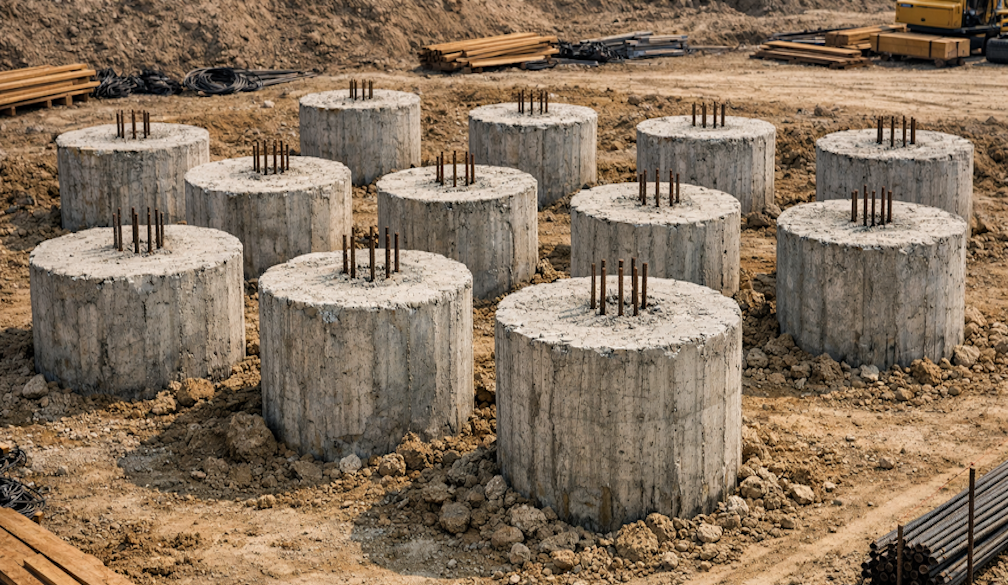
Building a stable structure begins with creating a foundation capable of supporting the weight of the building and resisting environmental forces. In many construction projects, particularly those involving large buildings or unstable soil conditions, piling construction is used to establish strong and reliable foundations.
Piling construction involves installing long structural elements deep into the ground to provide support for buildings, bridges, and other infrastructure. This method ensures that the weight of the structure is transferred to stable ground layers capable of supporting heavy loads.
Understanding The Piling Construction Process
Piling construction begins with detailed site investigations to determine soil conditions and structural requirements. Engineers analyse soil samples to identify the depth at which stable ground can support the structure.
Once the design is finalised, construction teams begin installing the piles using specialised equipment. Depending on the project requirements, piles may be driven, drilled, or screwed into the ground.
After installation, the piles are connected to the building’s foundation system through structural components such as pile caps or beams. These connections allow the loads from the structure to be distributed evenly across the piles.
This process ensures that the building remains stable and secure.
Types Of Piling Techniques
Different piling techniques are used depending on the soil conditions and structural needs of the project. Driven piling involves hammering prefabricated piles into the ground using hydraulic equipment.
Bored piling involves drilling holes in the ground and filling them with reinforced concrete to create structural columns. This technique is commonly used in urban areas where noise and vibration must be controlled.
Screw piling uses piles with helical blades that are rotated into the soil. This method allows for quick installation and minimal disturbance to surrounding structures.
Each technique offers advantages depending on the site conditions and construction requirements.
Applications In Infrastructure And Building Projects
Piling construction is widely used in large scale infrastructure projects such as bridges, high rise buildings, and industrial facilities. These structures require foundations capable of supporting significant loads.
In coastal areas or locations with soft soil, piling systems provide the necessary stability for safe construction. Without deep foundation systems, structures built in these environments could experience settlement or structural failure.
Piling is also used in residential construction where soil conditions require additional support for the building foundation.
Benefits Of Piling Construction
One of the key benefits of piling construction is its ability to provide strong support in difficult ground conditions. By reaching deeper stable soil layers, piles ensure that structures remain stable over time.
Piling also reduces the risk of uneven settlement. When buildings are supported by multiple piles, the load is distributed evenly across the foundation system.
Another advantage is the adaptability of piling systems. Engineers can design piles of different lengths and diameters depending on the structural requirements of the project.
These features make piling construction an effective solution for many types of buildings and infrastructure.
Engineering Precision And Quality Control
Piling construction requires careful engineering and strict quality control throughout the installation process. Engineers monitor pile installation to ensure that each pile reaches the required depth and meets design specifications.
Load testing may also be conducted to verify that the piles can support the expected structural loads. These tests confirm the strength and stability of the foundation system.
Maintaining precise installation standards ensures that the finished foundation performs reliably throughout the life of the building.
Supporting Long Term Structural Integrity
The primary purpose of piling construction is to create a foundation capable of supporting structures for many years. By transferring loads to deeper soil layers, piling systems help prevent structural movement caused by unstable surface soil.
This stability protects the building from damage and ensures that it remains safe for occupants.
High quality materials and professional installation contribute to the long term durability of piling systems.
Conclusion
Piling construction plays a critical role in modern building and infrastructure projects by providing strong and reliable foundation support. Through careful engineering design and professional installation, piling systems ensure that structures remain stable even in challenging soil conditions. As construction projects continue to grow in complexity, piling construction will remain an essential technique for creating safe and durable foundations.
