

The Hidden Warning Signs of an Overloaded Switchboard
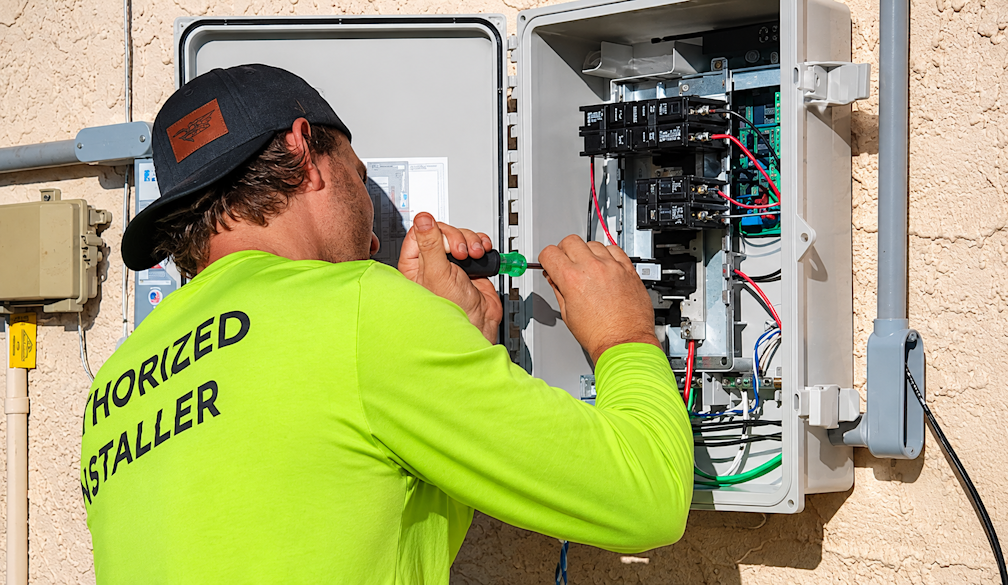
Image Credit: Unsplash
An overloaded switchboard can give subtle warnings long before an obvious electrical failure occurs. Flickering lights, repeated circuit trips and warm fittings may seem like minor annoyances, but they can point to excessive demand, damaged connections or ageing components.
Because electrical faults can cause shocks, burns and house fires, switchboard concerns need prompt professional attention. Knowing the early signs helps you respond safely and gives a licensed tradesperson useful information when assessing your home.
Frequent Tripping and Flickering Lights
Circuit breakers are designed to cut the electricity when a circuit draws too much current or develops a fault. A breaker that trips once after several high-demand appliances run together may be responding as intended. If the same breaker trips repeatedly during ordinary use, reset it only once and arrange an inspection. Repeated resetting can conceal a problem that needs repair.
Lights may briefly dim when a large appliance starts, but frequent flickering across several rooms can indicate a loose connection, voltage fluctuation or overloaded circuit. Other signs of overloaded circuits include buzzing outlets, discoloured fittings and a hot or burning smell.
Turn off and unplug appliances if you notice heat, smoke, sparks or unusual odours. Keep clear of the switchboard and contact a licensed electrician for an urgent assessment, especially if you live on the Central Coast and require a residential service or 24-hour emergency call-out. Don’t remove the switchboard cover or touch damaged fittings yourself.
It also helps to record what was operating when the problem occurred. A note showing that the breaker trips whenever the kettle, toaster and dishwasher run together can help isolate the affected circuit.
Why Modern Appliances Strain Older Panels
Many older homes were wired when households used fewer electrical appliances. Modern kitchens may now run a dishwasher, induction cooktop, air fryer and coffee machine, while other circuits supply heating, cooling, computers and entertainment equipment. An older panel and its circuits may have limited capacity for that combined demand.
Power boards don’t increase the amount of electricity a circuit can safely provide. Connecting several high-wattage appliances to one board can concentrate demand on a single outlet and circuit. Double adaptors and multiple connected power boards add further risk, particularly if cords are damaged or ventilation around the equipment is poor.
Spread portable appliances across suitable outlets and avoid running several heat-producing devices from one power board. Large fixed appliances should have circuits that match their electrical load and the manufacturer’s requirements.
An older switchboard may also contain outdated parts or show signs of previous alterations. A licensed assessment can identify loose connections, deterioration and poor circuit distribution. Depending on the findings, the practical fix might involve moving loads between circuits, installing dedicated circuits or replacing the switchboard. Capacity should be calculated, not guessed from the number of spare positions on the panel.
The Role of Safety Switches
Safety switches monitor the flow of electricity and disconnect the supply when they detect current leaking from a circuit. This rapid response reduces the risk of serious electric shock. Circuit breakers have a different primary job: they protect wiring against overloads and short circuits.
A home can therefore have working safety switches and still experience overload problems. Likewise, a circuit breaker alone doesn’t provide the same personal protection as a safety switch. Labels inside the switchboard should indicate which circuits have safety-switch coverage, though unclear or missing labels need professional checking.
Use the test button at the interval stated by the manufacturer or recommended by your electrical safety authority. Pressing it should trip the device and cut power to the protected circuit. If it fails to operate, won’t reset or trips again immediately, leave the affected circuit off and arrange qualified assistance.
Treat other electrical warning signs seriously too, including tingling sensations from appliances, crackling noises and scorch marks. Don’t keep using suspect equipment to see if the issue returns. A safety switch that repeatedly trips may be detecting faulty wiring, moisture or an appliance fault, so the source needs proper testing.
Protect Your Home Before Problems Escalate
Start by reducing demand on the affected circuit. Unplug non-essential devices and move high-use appliances only if you know the alternative outlet belongs to a suitable separate circuit. Extension leads should be temporary and fully uncoiled during use, with their rated capacity observed.
Next, look for patterns without opening fittings or removing covers. Note which rooms lose power, what time the fault occurs and which appliances were running. Check accessible cords and plugs for cracking, melting or discolouration, but don’t touch anything that appears wet, hot or damaged.
A licensed professional can then test circuit loads, connections, protective devices and switchboard conditions. Ask for a clear explanation of the fault and the proposed work. If an upgrade is recommended, confirm whether it includes safety-switch protection, circuit labelling and capacity for planned additions such as air conditioning or an electric vehicle charger.
You should treat smoke, persistent burning smells, visible sparking or a switchboard that feels unusually hot as urgent conditions. Move people away from the area, switch off the main supply only if it’s safe and seek emergency help. For less immediate symptoms, book an inspection before adding another major appliance. The next time a breaker trips, it should be viewed as a protective warning, not a household inconvenience to reset and forget.
