

What a Podiatrist Looks At: Feet, Ankles and the Lower Limb
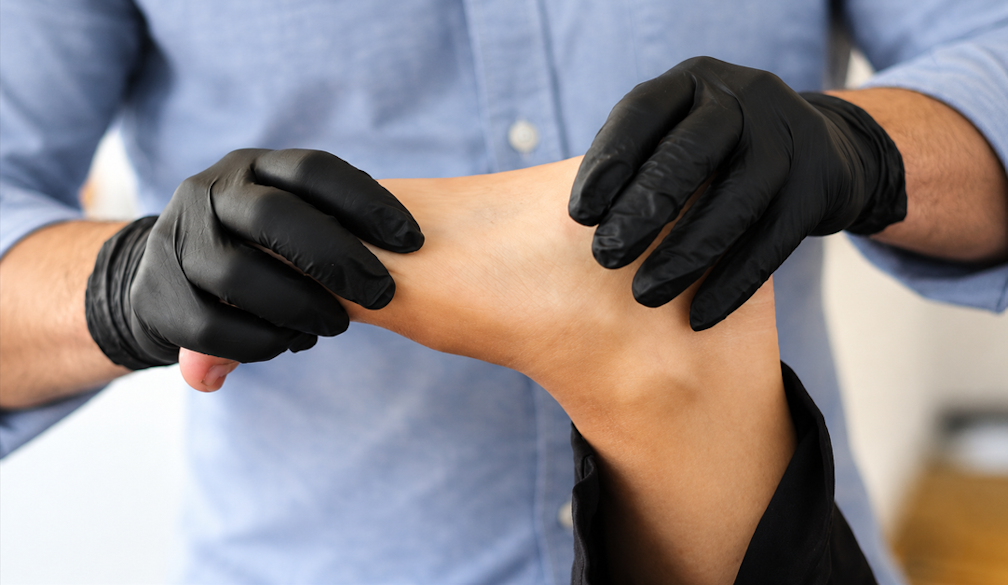
Most people have a fair idea of what a dentist or an optometrist does. Podiatrists tend to be less clearly understood, and many people only think of them when a foot problem has become hard to ignore. Knowing what the role covers makes it easier to tell when a podiatrist is the right person to ask.
More Than Just Feet
Podiatrists are allied health professionals trained in foot and lower limb health, according to healthdirect, the national health information service. The lower limb part of that description is worth noticing. A podiatrist's interest does not stop at the toes. It extends to the ankles, the shins and often the way a person stands and moves.
That is because the feet and legs work as a connected system. A change in how the foot meets the ground can show up as discomfort elsewhere in the leg, and a podiatrist will often look at the whole picture rather than only the sore spot.
The Range of Things They Look At
The everyday scope of a podiatrist is broader than many expect. Ingrown toenails, heel pain, skin problems, balance issues and sprains are all examples of concerns a podiatrist may be able to help with. Skin and nail changes such as corns, thickened or discoloured nails and rashes are part of that scope too.
Some podiatrists develop a particular interest, such as sports injuries or children's feet, so it is reasonable to ask about this when booking.
Signs That Are Worth a Conversation
There is no minimum level of pain before an appointment is reasonable. The Australian Podiatry Association likens it to visiting a dentist for a toothache, suggesting that painful or tired feet and lower limbs are reason enough to see a podiatrist. Other signs worth noting include swelling, lumps or redness on the feet or legs, recurrent tripping or falling, and problems fitting comfortably in regular shoes.
For anyone who has been putting off a visit because the problem seems minor, the next step may simply be to find a podiatrist drouin and ask the question. Choosing a clinic close to home also makes follow-up visits easier to fit around work, school and family routines. Small concerns are often easier to talk through early, and a podiatrist can say whether anything needs attention or whether it is nothing to worry about.
Why Underlying Health Conditions Matter
People living with conditions such as diabetes or arthritis are among those encouraged to have their feet looked at, since these conditions can affect the feet in particular ways. A podiatrist can help keep an eye on changes over time.
This is where regular checks can be useful. A person who knows what their feet normally look and feel like is in a better position to notice a change, and a podiatrist offers a trained second pair of eyes.
What Happens During a Visit
A podiatrist will usually begin by discussing symptoms and medical history. From there, an assessment may include looking at the feet and lower legs, watching a person stand or walk, and checking footwear. Advice may follow, which can include simple exercises, changes to footwear or other support options, depending on what is found.
A useful tip is to take along the shoes normally worn to the first visit. Worn soles and creases often tell a story about how a person walks, and they save a lot of explaining.
It also helps to write a few notes beforehand. When did the problem start? Does it happen at a particular time of day? Does anything make it better or worse? Answers to questions like these give a podiatrist something concrete to work with.
Looking After Feet Between Visits
Some habits support foot comfort whether or not an appointment is on the calendar. Wearing shoes that fit well and taking care not to cut nails into the corners are two simple examples. Checking the feet now and then for blisters, colour changes or anything new is a simple routine to add to the end of the day.
Keeping This in Perspective
This is general information and does not replace advice from a health professional who has assessed an individual. What a podiatrist can help with depends on the person and the problem, and results vary. Anyone with sudden, severe or worsening symptoms, or signs of infection such as spreading redness or fever, should seek prompt medical care.