

Google AI

Why Ignoring a Leaking Tap or Blocked Drain Could Lead to Bigger Problems
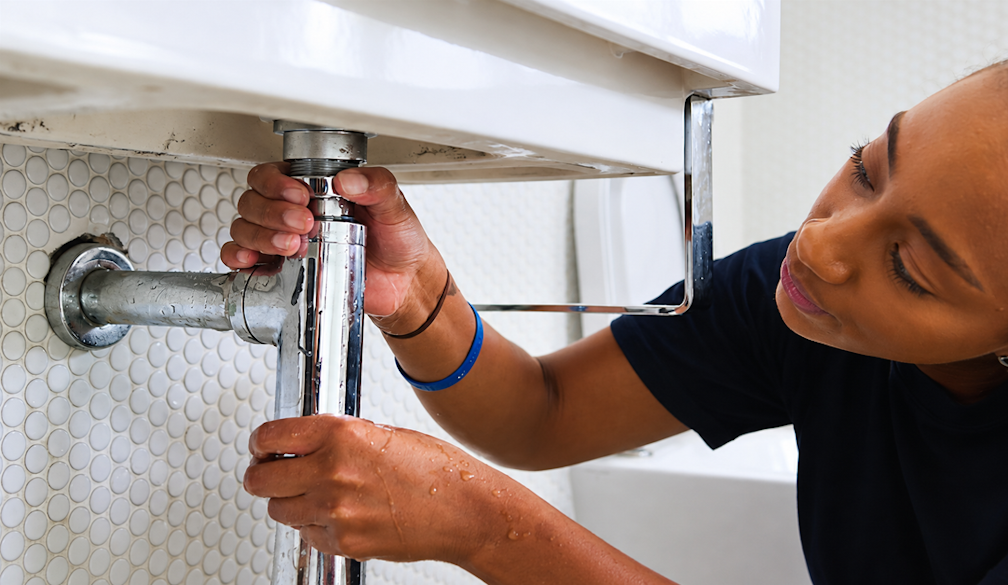
Under-Sink Plumbing Repair

A dripping tap or slow-draining sink might seem like a minor inconvenience, but small plumbing problems can quickly develop into expensive repairs. Many homeowners put off calling a plumber because the issue appears manageable or does not disrupt their daily routine. However, recognising early warning signs and addressing them promptly can help prevent water damage, reduce waste and avoid unexpected plumbing emergencies.

Understanding Why Blocked Drains Can Become Serious Problems

Blocked drains are among the most common plumbing problems homeowners encounter, and ignoring them can lead to more significant complications. According to Gitnux, clogged drains or sewer line issues account for around 60% of plumbing-related emergency calls. This highlights why it is important to investigate persistent drainage problems rather than assuming they will resolve themselves.

A blocked drain can develop for several reasons, including the accumulation of hair, soap residue, food scraps and grease. Over time, these materials can restrict water flow, causing sinks, showers and other fixtures to drain slowly. If the blockage becomes severe, wastewater may back up into the property, creating unpleasant odours and potentially exposing household surfaces to contaminated water.

Homeowners should pay attention to warning signs such as gurgling sounds, water pooling around drains and unpleasant smells coming from plugholes. Multiple slow-draining fixtures may indicate a more extensive blockage within the plumbing system rather than an isolated issue. If these symptoms persist despite basic cleaning, contacting a licensed plumber can help identify the underlying cause before the problem becomes more disruptive.

Preventive maintenance can also reduce the likelihood of recurring blockages. Avoid pouring cooking oils, fats and grease down kitchen sinks, and use suitable drain covers to catch hair and other debris in bathrooms. Regularly cleaning accessible drain covers and removing visible buildup can help maintain water flow, although deeper or persistent blockages may require professional equipment.

Recognising How Leaking Taps Waste Water and Money

A leaking tap might only release a few drops at a time, making it easy to overlook the problem. However, even a small leak can waste water continuously, particularly when it goes unnoticed for weeks or months. According to Plumbing Manufacturers International, leaks account for 13.7% of water use, highlighting how plumbing faults can contribute to unnecessary water consumption.

Beyond water waste, leaking taps can indicate worn washers, damaged seals, faulty cartridges or other deteriorating components. Although replacing a small part may be relatively straightforward, leaving the issue unresolved can allow the leak to worsen. Depending on its location, escaping water can also damage cupboards, benchtops, flooring and nearby building materials.

It is important to inspect areas around taps, toilets, sinks and exposed pipes for signs of moisture. Water stains, peeling paint, swollen cabinetry and persistent dampness can indicate a hidden leak, even when there is no obvious dripping. Homeowners should also monitor their water bills because an unexplained increase in consumption may point to a plumbing problem that needs investigation.

Taking action early can help limit these costs and prevent more extensive damage. A plumber can assess the source of the leak, determine whether a component needs replacement and check for related problems. If a leak is causing significant water loss, shutting off the affected fixture's water supply, where possible, can help minimise damage while professional assistance is arranged.

Knowing When to Call a Professional Plumber

Some minor plumbing issues can be addressed with routine cleaning or simple maintenance, but others require professional attention. According to WifiTalents, 40% of homeowners use emergency services for plumbing repairs. This figure illustrates how frequently plumbing problems can become urgent enough to require immediate assistance.

Knowing which symptoms demand a prompt response can help homeowners make informed decisions. A burst pipe, overflowing toilet, significant water leak or sewage backup should not be treated as a routine maintenance issue. These problems can cause substantial property damage, interrupt household activities and create unsanitary conditions if they are not addressed quickly.

Homeowners should also avoid relying on temporary fixes when the same problem repeatedly returns. Chemical drain cleaners, for example, may not resolve the underlying cause of a persistent blockage and can damage certain plumbing materials when used incorrectly. Similarly, repeatedly tightening fittings or applying sealants to a leaking connection may conceal the symptoms without addressing the actual fault.

Choosing a qualified plumber can help ensure that the issue is properly diagnosed and repaired. Before booking a service, explain the symptoms, when they started and whether the problem affects multiple fixtures. Providing these details can help the plumber assess the situation and determine the appropriate next steps.

Regular plumbing inspections can also help identify deteriorating pipes, worn fittings and drainage issues before they become emergencies. While not every plumbing problem can be prevented, responding quickly to unusual sounds, persistent leaks and slow drainage can reduce the risk of more extensive repairs. Establishing a maintenance routine and knowing when to seek professional help can make household plumbing easier to manage.

Ignoring a leaking tap or blocked drain can lead to wasted water, damaged surfaces and costly emergency repairs. Small warning signs often provide an opportunity to resolve problems before they affect other parts of the plumbing system. By maintaining drains, monitoring water usage and arranging professional repairs when necessary, homeowners can protect their properties and avoid preventable expenses.

More Articles …

  1. What to Know Before Giving Your Bathroom a Luxury Makeover
  2. How to Make Smart Flooring and Kitchen Renovation Decisions
  3. Lighting a pool garden so it works after dark
  4. How to Choose a Builder for Your Sydney Home Extension
  5. How Swimming Pools Are Shaping Modern Outdoor Living
  6. How Regular Gutter Cleaning Protects Melbourne Homes
  7. Salt, Mould and Grime: Why Northern Beaches Homes Need Regular House Washing
  8. Moving Furniture Into a Terrace House: Tips for Inner West Homeowners and Renters
  9. Building on a Sloping Block? Here's What You Need to Know
  10. What to Consider Before You Buy Ceiling Fans Online
  11. How an Asbestos Removalist Melbourne Service Can Support Renovation and Demolition
  12. How to Create a Home Environment That Supports Your Children
  13. The Ubiquitous Value of Properties With Quality Aesthetics
  14. How Tree Roots Grow and Why They Matter More Than You'd Think
  15. How to Choose the Right Laminate Flooring in Perth
  16. Smooth Lines, Bumpy Textures - Here's What's Hot in Luxury Home Design
  17. Natural Stone and Australian Light
  18. Why Mice and Cockroaches Can Become a Bigger Problem Than You Expect
  19. Before You Renovate Your Home, Ask Yourself These Questions
  20. How Weather Conditions Can Impact Your Home’s Structure and Comfort
  21. Pendant Lights Perth: Creating a Balanced Lighting Scheme
  22. How to Choose a Reliable Plumber in Burleigh Heads
  23. Common Mistakes to Avoid When Building a Porch
  24. Solving Common Plumbing and Bathroom Problems Before They Get Worse
  25. Queen or Double? How to Choose the Right Bed Size for Two
  26. 3 Hidden Health Hazards Around the Home
  27. Preparing for a One-Off Clean: A Simple, Stress-Free Guide
  28. Avoid Costly Mistakes: What to Know Before Building a Patio
  29. The Most Common Bathroom Cleaning Mistakes (And How to Avoid Them)
  30. How to Choose the Right Demolition Contractor for Your Renovation
  31. How to Choose the Right Bathroom Flooring for Your Home
  32. Narrow Street, No Rear Access? What Illawarra Homeowners Need to Know Before Building a Pool
  33. Pool Coping vs Field Pavers: What Homeowners Should Know Before They Order
  34. The Window Upgrade That Pays for Itself: Why Perth Homes Are Switching to Plantation Shutters
  35. Why Pests Keep Coming Back (Even When Your Home Is Clean)
  36. Tree Pruning Timing: What to Prune and When Across the Seasons
  37. How Melbourne's Weather and Seasons Affect Solar Output Year Round
  38. How To Keep Your Flower Bouquet Lasting Longer
  39. 5 Things to Do Before Moving House
  40. What a Luxury Home Means in 2026 vs What It Meant a Decade Ago
  41. Suction, Sensors, and Smart Mapping: Inside the Tech Behind Roborock Qrevo Vacuums
  42. Small Problems That Can Lead to Big Repair Bills Around the Home
  43. Time-Saving Solutions Busy Homeowners Wish They Knew Earlier
  44. Preparing Your Home for Heavy Rain and Storm Season
  45. Which Home Improvements Actually Add Long-Term Value?
  46. 7 Home Upgrades That Improve Privacy, Security and Street Appeal
  47. 7 Easy Ideas to Style Artificial Flowers Like a Pro
  48. Why Synthetic Grass Installation Is Changing Modern Landscaping
  49. What “Quality” Means in a Bathroom Renovation (Beyond the Finish)
  50. The Paint Colour Mistakes Experts Warn Homeowners to Avoid
  51. How French Windows Enhance Property Value and Aesthetic Appeal
  52. How Gutter Guard Sydney Systems Help Reduce Ongoing Home Maintenance
  53. What “Garden Maintenance” Actually Includes (And What It Doesn’t)
  54. Metal Roof Replacement Process: What Happens From Strip-Off to Finish
  55. When to Arrange Gas Line Inspections for Melbourne Properties
  56. What Homeowners Should Know Before Resurfacing a Concrete Driveway
  57. Why Split System Air Conditioning Continues Growing In Popularity Across Melbourne
  58. What Your Flower Colours Secretly Say About Your Feelings
  59. The Ultimate Guide to Hiring Professional Painters in Melbourne: What Every Homeowner Should Know
  60. How to Extend the Life of Your Canberra Hot Water System
  61. Could Queensland's Rapid Development Cause Further Drainage Issues?
  62. What “Full-Service Bathroom Renovation” Actually Includes (and What It Doesn’t)
  63. What “Good HVAC Maintenance” Actually Includes
  64. How Consignment Furniture Works in Melbourne (And Why People Use It)
  65. Halogen vs. LED: Which is Better for Your Swimming Pool Light Installation?
  66. Why Does Your Home Need a Private Power Pole
  67. What Emergency Electricians Really Do During Urgent Calls
  68. When to Call a Gutter Cleaning Pro: A Homeowner's Checklist
  69. Why Buying Ceiling Fans Online Is The Smartest Way To Upgrade Your Home Comfort
  70. How to Design a New Home to Build: A Step-by-Step Guide
  71. Is Pest Control Worth It in Brisbane?
  72. How Often Should You Clean a Septic Tank? A Risk-Based Guide
  73. Choosing the Right Commercial Door for Different Building Types
  74. Timber Cladding: The Complete Guide to Choosing, Specifying, and Installing Timber for Exterior and Interior Applications
  75. Why Wall Hung Vanities Are Popular in Brisbane Renovations
  76. How the Right Bathroom Supplies Elevate Modern Bathroom Designs
  77. Flower Seeds and the Joy of Growing Colour at Home
  78. Sustainable landscape design: Eco-friendly choices for a greener garden
  79. Is Your Roof Solar-Ready? Why Yearly Inspections and Panel Efficiency Matter in Australia
  80. How a Burleigh Heads Plumber Diagnoses Hidden Water Leaks
  81. Canberra Homeowners: Protect Your Property With Reliable Plumbing Maintenance
  82. Why Travertine Crazy Pavers Suit Coastal Outdoor Living ?
  83. Is a Building & Pest Inspection Worth It for Melbourne Property Buyers?
  84. How to Choose the Perfect Paver: Modern vs. Traditional Designs
  85. 3 Reasons to Call a Professional for Common Home Issues
  86. Energy Savings Showdown: Split System Air Conditioning System vs. Portable Air Conditioners
  87. 7 Unexpected Items Every Home First Aid Kit Needs Now
  88. The Sydney Space Hack: How to Turn Your Garage into the Ultimate Multi-Purpose Room
  89. Indoor–Outdoor Transitions That Enhance Comfort and Accessibility for Your Home in Australia
  90. Why Buying Ceiling Fans Online Is the Smartest Way to Upgrade Your Home Comfort
  91. Indoor Comfort Meets Outdoor Charm: Residential Design Trends for Your Australian Home
  92. The Benefits of Choosing a Fibreglass Pool for Your Backyard
  93. Why Ducted Air Conditioning Suits North Brisbane Homes
  94. How to Choose the Right Air Conditioning Repair Service for Summer
  95. Where to Save and Where to Splurge in Your Kitchen Renovation
  96. Why Flyscreens Are a Must-Have for Every Sydney Home: Installation Tips and Benefits
  97. Top Bathroom Renovation Ideas for Sydney Homes
  98. A Comprehensive Guide to Stress-Free Solar and Battery Integration
  99. Mining and Infrastructure Surveying Services in Western Australia: What to Know
  100. Essential Home Additions for Peace of Mind
hacklink makrobetesim espagnejojobetnon gamstopgamstop.orgBetimgrandpashabet resmi girişhttps://na-samom-dele.ru/казино водкаhttps://monteon.ru/seo ajansıyurtdışı turseo danışmanlığıjojobet